


In a bold, yet ultimately doomed, attempt to expel foreign influence from Chinese soil, the Empress Dowager Cixi issued a decree on June 21, 1900, formally declaring war on the United States, Britain, Germany, France, and Japan. This unprecedented move marked a pivotal moment in the Boxer Rebellion, a militant anti-foreigner movement that would ultimately hasten the downfall of the Qing dynasty and reshape the course of Chinese history.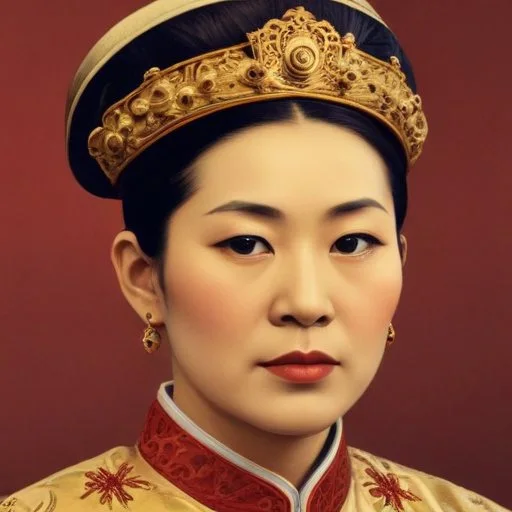
As the 19th century drew to a close, China found itself in the midst of a tumultuous period of social, economic, and political upheaval. The unequal treaties imposed by Western powers, coupled with the humbling defeat in the Opium Wars, had eroded the nation's sovereignty and dignity. The rise of the Boxer movement, with its roots in folk religion and martial arts, was a direct response to the perceived threats to Chinese identity and territorial integrity.
The events leading up to the declaration of war were marked by escalating tensions and violence. Key milestones include:
The Boxer Rebellion and China's declaration of war against the West had far-reaching consequences, including:
The Boxer Rebellion and the declaration of war had a profound impact on Chinese society and culture, including:
The Boxer Rebellion and China's declaration of war against the West remain a potent symbol of resistance against foreign domination and a testament to the enduring power of nationalist sentiment. As China continues to navigate the complexities of global politics and cultural identity, the lessons of this tumultuous period in its history serve as a powerful reminder of the importance of sovereignty, self-determination, and international cooperation.
Empress Dowager Cixi, also known as the Old Buddha, was a fascinating figure in Chinese history. Born in 1835, she rose to power through her marriage to Emperor Xianfeng and her son, Tongzhi. Following her son's death, Cixi ruled China in his name, becoming the de facto ruler of the Qing dynasty.
Cixi's motivations for declaring war on the Western powers were complex. She believed that the foreign powers were a threat to China's sovereignty and sought to bolster her legitimacy and consolidate power. Her decision was also influenced by her advisors, who feared that the foreign powers would eventually carve up China.
Despite her controversial legacy, Cixi was a shrewd politician who implemented significant reforms, including the abolition of foot binding and the establishment of a modern education system.

The Boxer Rebellion marked a significant turning point in the development of Chinese nationalism. The movement's anti-foreigner sentiment and emphasis on Chinese identity resonated with many people who felt humiliated by China's exploitation at the hands of Western powers.
The Boxer Rebellion inspired a new wave of nationalist thinkers, including Sun Yat-sen, who would later become the father of modern China. This movement helped to galvanize Chinese intellectuals and pave the way for the Xinhai Revolution, which overthrew the Qing dynasty in 1912.The rebellion also had a profound impact on Chinese art and literature, with many works reflecting the nationalist sentiments and anti-foreigner feelings of the time.
The Boxer Rebellion took place against the backdrop of intense geopolitical rivalries between European powers, the United States, and Japan. The "Scramble for Concessions" in China had created a complex web of alliances and rivalries, with each power vying for influence and territory.
The rebellion was also influenced by the "Open Door Policy" advocated by the United States, which sought to promote free trade and commerce in China while preventing any single power from dominating the region.
The eventual defeat of the Boxers and the imposition of the Boxer Protocol marked a significant shift in the balance of power in East Asia, with Japan emerging as a major player and China's sovereignty further eroded.

The Boxer Rebellion had far-reaching political consequences for China and the world. The rebellion marked the beginning of the end of the Qing dynasty, which was forced to sign the Boxer Protocol in 1901.
The protocol imposed crippling reparations and territorial concessions on China, further eroding its sovereignty and paving the way for the eventual collapse of the Qing dynasty in 1912.
The rebellion also led to a significant shift in China's foreign policy, with the country increasingly turning to Japan and the Soviet Union for support and guidance in the 20th century.
The Boxer Rebellion had devastating economic consequences for China. The eventual defeat of the Boxers and the imposition of the Boxer Protocol led to the imposition of crippling reparations, which drained China's treasury and hampered its economic development.
The rebellion also led to a significant decline in foreign investment and trade, as the Western powers and Japan imposed economic sanctions on China.
The rebellion marked a significant turning point in China's economic history, as the country began to turn away from its traditional isolationism and towards a more open and modern economy.