


Imagine a land so vast, it covers nearly 40% of modern-day Canada. A land of untamed wilderness, teeming with wildlife, and rich in natural resources. This is Ruperts Land and the NorthWestern Territory, territories that changed hands in 1870, marking a pivotal moment in Canadian history. The British Crown purchased these territories from the Hudsons Bay Company, a centuries-old trading behemoth, establishing the province of Manitoba and the Northwest Territories, and forever reshaping the Canadian landscape.
The transfer of Ruperts Land and the NorthWestern Territory marked the beginning of a new era of Canadian expansionism. The young nation, eager to assert its independence from British rule, began to flex its muscles and forge a unique identity. This monumental deal not only expanded Canada's territory but also paved the way for further growth and development.
Behind every great historical event, there are key players who shape the course of history. In this case, it was the British Crown, the Hudsons Bay Company, and the Canadian government. The British Crown, eager to expand its dominion, saw the purchase of Ruperts Land and the NorthWestern Territory as a strategic move to strengthen its hold on North America. The Hudsons Bay Company, once a powerful trading entity, was facing financial difficulties and saw the sale as a means to recoup its losses. The Canadian government, led by Prime Minister John A. Macdonald, saw this as an opportunity to expand its territory and assert its independence.
The establishment of the province of Manitoba and the Northwest Territories marked a significant milestone in Canadian history. The province of Manitoba, with its rich soil and fertile plains, would become the breadbasket of Canada, while the Northwest Territories, with its vast wilderness and natural resources, would become a hub for mining and exploration. The transfer of Ruperts Land and the NorthWestern Territory not only expanded Canada's territory but also paved the way for further growth and development.
The transfer of Ruperts Land and the NorthWestern Territory had far-reaching cultural and social implications. The influx of settlers and the establishment of new communities led to the displacement of indigenous peoples and the erosion of their traditional way of life. The Canadian government's treatment of indigenous peoples remains a contentious issue to this day, with many calling for reconciliation and redress.
In conclusion, the transfer of Ruperts Land and the NorthWestern Territory marked a pivotal moment in Canadian history, shaping the country's identity, expansion, and growth. This monumental deal not only expanded Canada's territory but also paved the way for further growth and development, forever reshaping the Canadian landscape.
One of the key players in the transfer of Ruperts Land and the NorthWestern Territory was Sir John A. Macdonald, the first Prime Minister of Canada. Macdonald was a strong advocate for Canadian expansionism and saw the purchase of the territories as a strategic move to strengthen Canada's independence from British rule. Born in Scotland in 1824, Macdonald was a skilled politician who played a crucial role in shaping Canada's early history. He was instrumental in negotiating the terms of the transfer with the British Crown and the Hudsons Bay Company, and his vision for a unified Canada was instrumental in shaping the country's future.
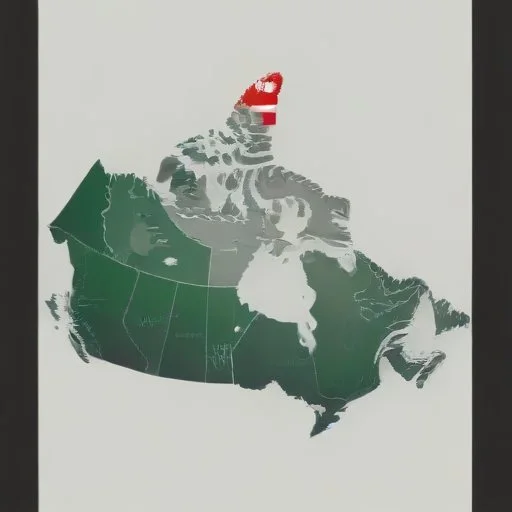
The transfer of Ruperts Land and the NorthWestern Territory had a profound impact on the indigenous peoples of Canada. The establishment of new settlements and the influx of settlers led to the displacement of many native communities, who were forced to adapt to a new way of life. The Canadian government's treatment of indigenous peoples during this period was marked by paternalism and neglect, which further exacerbated the existing social and economic disparities. Today, the legacy of this period continues to affect the relationships between indigenous peoples and the Canadian government, with many calls for reconciliation and redress.
The transfer of Ruperts Land and the NorthWestern Territory had significant economic implications for Canada. The acquisition of the territories provided access to vast natural resources, including fertile land, minerals, and timber. The Canadian government saw the transfer as an opportunity to stimulate economic growth and development, and invested heavily in infrastructure, including roads, railways, and telegraph lines. The transfer also led to an influx of settlers, who brought with them new skills, capital, and ideas, which further stimulated economic growth.

The transfer of Ruperts Land and the NorthWestern Territory marked a significant shift in the balance of power between the Canadian government and the British Crown. The British government's decision to grant Canada control over the territories reflected a growing recognition of Canada's independence and autonomy. The transfer also marked a significant milestone in the development of Canadian federalism, as it established the principle of provincial autonomy and paved the way for the creation of new provinces and territories.
The transfer of Ruperts Land and the NorthWestern Territory took place against the backdrop of a rapidly changing global geopolitical landscape. The late 19th century was marked by intense competition for territory and resources, as European powers vied for dominance. The British Crown's decision to grant Canada control over the territories was, in part, a response to the growing threat of American expansionism, as the United States began to assert its claims over the west. The transfer also reflected the shifting balance of power within the British Empire, as the British government began to cede control over its colonies to emerging nation-states.