


On September 26, 1960, the world witnessed a groundbreaking moment in political history – the first-ever televised presidential debate between Richard M. Nixon and John F. Kennedy. This pivotal event revolutionized the way Americans engaged with politics, forever changing the landscape of presidential campaigns.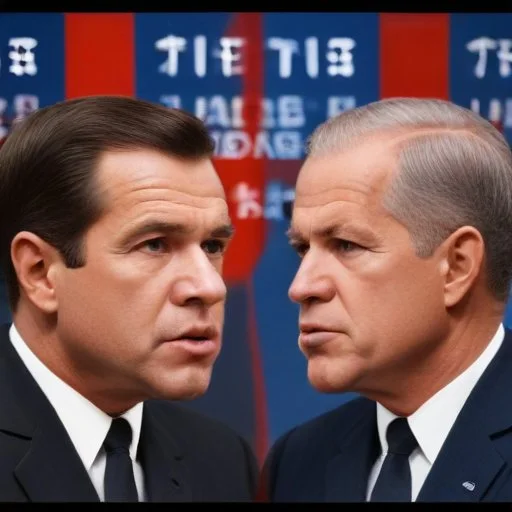
The debate, held at the CBS Studios in Chicago, marked a significant shift in the way politicians connected with their constituents. With an estimated 70 million viewers tuning in, it was the largest audience ever assembled for a political event at the time. This novel approach allowed Americans to see and hear their potential leaders up close, making the election process more personal and accessible.
Richard Nixon, the Republican candidate, was a seasoned politician with a reputation for being calculating and dry. John F. Kennedy, the Democratic candidate, embodied youthful energy and charisma. Their contrasting styles and policies made for a compelling debate, with Nixon focusing on his experience and Kennedy emphasizing his vision for a brighter future.
The debate itself was divided into four segments, each covering a different topic: domestic issues, foreign policy, farm policy, and labor issues. While both candidates presented their arguments effectively, Kennedy's relaxed and confident demeanor gave him an edge in terms of likability. Nixon's stiff and formal approach, on the other hand, made him appear less relatable to the viewing audience.
The debate proved to be a crucial moment in the campaign, with many observers crediting Kennedy's performance as a key factor in his eventual victory. The debate humanized Kennedy, making him seem more relatable and trustworthy to undecided voters. Nixon's campaign, on the other hand, struggled to regain momentum in the aftermath of the debate.
The Nixon-Kennedy debate set a new standard for political communication, highlighting the importance of image, charisma, and media savvy in winning over voters. The debate format has since become an integral part of presidential campaigns, forcing candidates to think on their feet and showcase their personalities alongside their policies.
As we look back on this historic event, it's clear that the first televised presidential debate marked a significant turning point in American politics. By embracing the power of television, Kennedy and Nixon paved the way for a more engaging, more personal, and more visually driven political landscape.
The 1960 presidential campaign marked a significant shift in the way candidates approached political advertising. Kennedy's campaign, led by Louis Harris, focused on creating a youthful and vibrant image, using catchy slogans and emphasizing the candidate's charisma. In contrast, Nixon's campaign, led by H.R. Haldeman, relied on traditional tactics, such as emphasizing experience and using scare tactics to sway undecided voters.
The debate highlighted these contrasting strategies, with Kennedy's team using the event to showcase their candidate's charm and wit, while Nixon's team struggled to adapt to the new medium of television.
Howard K. Smith, a renowned journalist and news anchor, was chosen to moderate the first-ever televised presidential debate. Smith's experience and credibility added gravity to the event, and his questions helped to steer the discussion towards key issues.
Smith's participation in the debate marked a turning point in his career, cementing his reputation as a trusted and respected journalist. His involvement in the event also set a precedent for future debates, establishing the importance of impartial moderation.
The Nixon-Kennedy debate had a profound impact on American culture, marking a shift towards a more visual and personality-driven political landscape. The debate's focus on image and charisma helped to create a new kind of celebrity politician, paving the way for future candidates to build their brands and cult followings.
The debate also influenced the way Americans consumed news and information, with the advent of television news programs and televised debates forever changing the political discourse.
The 1960 presidential debate was a technological marvel, with the use of television cameras, lighting, and sound equipment creating a new kind of political spectacle. The event marked a turning point in the development of television news, with the debate's success paving the way for future live broadcasts and satellite transmissions.
The debate's use of technology also raised important questions about the role of media in shaping political discourse, with concerns about the impact of television on the democratic process emerging in the aftermath of the event.
The 1960 presidential debate took place against the backdrop of heightened Cold War tensions, with the Cuban Missile Crisis and the U-2 spy plane incident earlier that year adding to the sense of urgency and crisis. The debate's focus on foreign policy and national security reflected these concerns, with Kennedy and Nixon presenting competing visions for American leadership and diplomacy.
The debate's outcome was closely watched around the world, with international leaders and journalists weighing in on the implications of the election for global politics.