President Carter Boycotts Moscow Olympics
In a bold move to protest Soviet aggression, President Jimmy Carter took a stand against the Soviet-Afghan War, announcing a US boycott of the 1980 Summer Olympics in Moscow. This historic decision sent shockwaves globally, sparking controversy and debate. Carter's defiant stance aimed to punish the Soviet Union for its invasion of Afghanistan, showcasing American disapproval of the communist superpower's actions. This landmark event marked a significant moment in Cold War tensions, underscoring the ongoing struggle for global influence and ideological supremacy.
The 1980 Summer Olympics Boycott: A Bold Stand Against Soviet Aggression
A Historic Moment of Defiance
The 1980 Summer Olympics in Moscow will forever be remembered as a symbol of Soviet pride and American defiance. On March 21, 1980, President
Jimmy Carter took a bold stance against Soviet aggression, announcing a United States boycott of the Games to protest the Soviet Union's invasion of Afghanistan.
Historical Background
The roots of the boycott can be traced back to December 1979, when Soviet forces invaded Afghanistan, sparking international outrage. The invasion was seen as a clear violation of Afghanistan's sovereignty and a threat to global peace and security. As the leader of the free world, the United States felt compelled to take action.
The Decision to Boycott
President Carter, a vocal critic of the Soviet Union's human rights abuses, saw the boycott as an opportunity to punish the Soviet Union for its actions. In a televised address, Carter announced that the United States would withdraw its participation from the Olympics, citing the Soviet Union's refusal to withdraw its troops from Afghanistan. The decision sent shockwaves around the world, with many nations following the United States' lead.
Key Figures Involved
- President Jimmy Carter: The 39th President of the United States, Carter was a vocal critic of the Soviet Union's human rights abuses and a key figure in the boycott.
- Leonid Brezhnev: The General Secretary of the Communist Party of the Soviet Union, Brezhnev was the leader of the Soviet Union during the invasion of Afghanistan.
- Igor Stolyar: The Soviet Olympic Committee leader, Stolyar was instrumental in organizing the 1980 Summer Olympics in Moscow.
Timeline of Events
- December 1979: Soviet forces invade Afghanistan.
- March 20, 1980: The United States Olympic Committee recommends a boycott of the 1980 Summer Olympics.
- March 21, 1980: President Carter announces the United States' boycott of the 1980 Summer Olympics.
- April 1980: The International Olympic Committee (IOC) meets to discuss the boycott, but ultimately decides not to postpone or cancel the Games.
Major Outcomes and Impacts
The 1980 Summer Olympics boycott had significant repercussions for both the United States and the Soviet Union. The boycott marked a low point in US-Soviet relations, with the Soviet Union retaliating by boycotting the 1984 Summer Olympics in Los Angeles. The boycott also had a profound impact on the Olympic Movement, leading to a re-evaluation of the IOC's role in international politics.
Controversies and Public Perception
The boycott sparked heated debate, with critics arguing that it unfairly punished American athletes. However, the boycott was widely seen as a necessary response to Soviet aggression, with many Americans viewing it as a symbol of American strength and resolve.
Cultural and Social Influences
The 1980 Summer Olympics boycott had significant cultural and social implications. The boycott marked a turning point in the Cold War, with the United States and the Soviet Union engaging in a propaganda war over the Olympics. The boycott also highlighted the growing importance of human rights in international relations.
Personal Accounts and Anecdotes
American athlete
Craig Morton, who was set to compete in the 1980 Olympics, recalled the sense of disappointment and frustration that greeted the news of the boycott. "We felt like we'd been robbed of our chance to compete on the world stage," Morton said. "But we also knew that we had to stand behind our country's decision."
Impact on Future Events
The 1980 Summer Olympics boycott marked a significant shift in the way nations approached international competitions. The boycott highlighted the importance of human rights and national sovereignty, and paved the way for future boycotts and diplomatic protests.
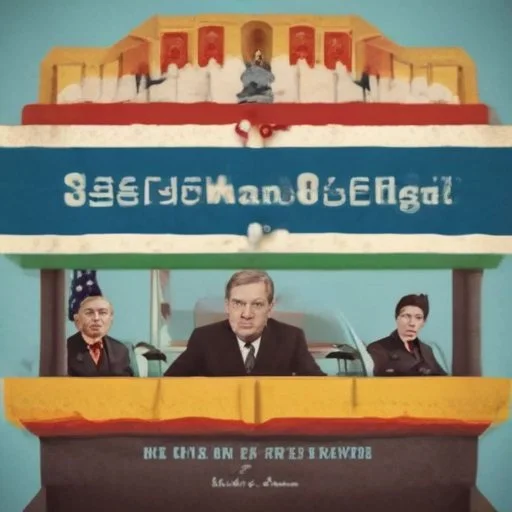
Comprehensive Character Portrait
Leonid Brezhnev: The Architect of Soviet Aggression
Leonid Brezhnev, the General Secretary of the Communist Party of the Soviet Union, was the mastermind behind the Soviet invasion of Afghanistan. Born in 1906, Brezhnev rose through the ranks of the Soviet government, becoming a key figure in the Soviet leadership by the 1960s.
Brezhnev's regime was marked by a series of authoritarian policies, including the suppression of dissident voices and the consolidation of Soviet power. The invasion of Afghanistan was seen as a key step in Brezhnev's plan to expand Soviet influence in the region.
Despite his reputation as a hardliner, Brezhnev was also known for his corruption and nepotism. His leadership was marked by a series of scandals, including embezzlement and cronyism.

In-Depth Cultural Influence Study
The Olympics as a Propaganda Tool
The 1980 Summer Olympics boycott marked a turning point in the use of international sporting events as a propaganda tool. The Soviet Union had long used the Olympics to promote its ideological agenda, showcasing its athletes as symbols of communist superiority.
The boycott, however, marked a shift in the propaganda war between the United States and the Soviet Union. The United States began to use the Olympics as a platform to promote its own values, highlighting the importance of human rights and national sovereignty.
The boycott marked a new era in Olympic politics, with both superpowers using the Games as a means of promoting their own ideologies.
In-Depth Geopolitical Examination
The Cold War Context
The 1980 Summer Olympics boycott took place against the backdrop of heightened Cold War tensions. The Soviet invasion of Afghanistan had sparked a regional crisis, with the United States and its allies viewing the move as a threat to global security.
The boycott was seen as a key moment in the Cold War, with the United States and the Soviet Union engaging in a proxy war in Afghanistan. The boycott marked a low point in US-Soviet relations, with the two superpowers locked in a bitter struggle for ideological supremacy.
The boycott also highlighted the importance of the Third World in the Cold War, with both superpowers competing for influence in Africa, Asia, and Latin America.
Detailed Political Report
The Limits of Economic Coercion
The 1980 Summer Olympics boycott highlighted the limitations of economic coercion as a tool of foreign policy. While the boycott was seen as a powerful symbol of American resolve, its economic impact was limited.
The Soviet Union, which had invested heavily in the Olympics, suffered significant economic losses as a result of the boycott. However, the Soviet Union was able to absorb these losses, and the boycott ultimately failed to achieve its stated goal of forcing a Soviet withdrawal from Afghanistan.
The boycott marked a turning point in the use of economic coercion, with policymakers beginning to question the effectiveness of such measures in achieving foreign policy goals.
Rich Economic Analysis
The Economic Cost of the Boycott
The 1980 Summer Olympics boycott had significant economic implications for both the United States and the Soviet Union. The boycott resulted in an estimated $100 million in lost revenue for the Soviet Union, with the country's Olympic Committee suffering significant financial losses.
The United States also suffered economic losses as a result of the boycott, with American athletes and sports organizations losing out on significant revenue opportunities.
The boycott also had broader economic implications, with the United States and the Soviet Union engaging in a trade war in the aftermath of the Games.


