


The Cold War's most iconic symbol of oppression, the Berlin Wall, crumbled on November 9, 1989, as East Germany, led by Günter Schabowski, opened its checkpoints, allowing citizens to travel to West Berlin. This unprecedented announcement marked the beginning of the end of the division of Germany and the fall of communism in Eastern Europe.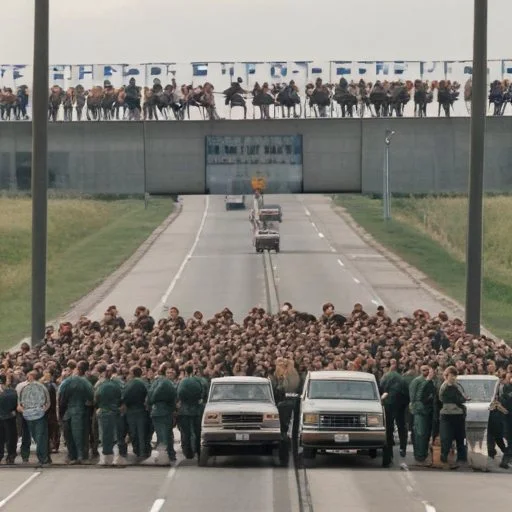
The Berlin Wall, erected in 1961, was a physical and symbolic barrier between East and West Berlin, separating families, friends, and a nation. The wall was a manifestation of the Cold War's ideological divide, with the Eastern Bloc, led by the Soviet Union, pitted against the Western Bloc, led by the United States.
In a press conference on November 9, 1989, Günter Schabowski, the East German government's spokesperson, was tasked with announcing a new travel policy. Unbeknownst to him, the policy had not yet been finalized, and he mistakenly declared that East Germans would be allowed to travel to the West, effective immediately. The room fell silent, and Schabowski's words sparked a chain reaction of events that would change the course of history.
The fall of the Berlin Wall marked the beginning of the end of the division of Germany. In the following months, the East German government collapsed, and free elections were held, leading to the eventual reunification of Germany in 1990. The event also signaled the decline of communism in Eastern Europe, paving the way for the fall of the Soviet Union in 1991.
The fall of the Berlin Wall inspired a new era of freedom and unity across Europe. It symbolized the power of the human spirit and the desire for freedom and democracy. The event also marked a significant shift in the global balance of power, as the United States and Western Europe emerged as dominant forces.
"The wall, once a powerful symbol of oppression, was rendered powerless." — Günter Schabowski
One eyewitness, Ulrike Poppe, recalled the moment the Wall fell: "It was like a dam had burst. People were crying, laughing, and hugging each other. It was a moment of pure joy and freedom."
The fall of the Berlin Wall paved the way for the reunification of Germany and the decline of communism in Eastern Europe. It also marked a significant shift in global politics, as the world entered a new era of cooperation and diplomacy.
The fall of the Berlin Wall serves as a powerful symbol of the human desire for freedom and democracy. It inspires us to stand against oppression and fight for our fundamental rights.

The fall of the Berlin Wall was a monumental moment in history, marking the beginning of the end of the division of Germany and the fall of communism in Eastern Europe. Its legacy continues to inspire and motivate people around the world, serving as a powerful reminder of the human desire for freedom and democracy.
Günter Schabowski, the East German government's spokesperson, was an unlikely hero of the Berlin Wall's fall. A loyal communist, Schabowski had risen through the ranks of the East German government, earning a reputation as a skilled propagandist. However, on November 9, 1989, Schabowski's mistake would change the course of history.
Despite his role in announcing the travel policy, Schabowski remained a behind-the-scenes figure, preferring to avoid the spotlight. Yet, his accidental declaration would make him an iconic figure of the era, symbolizing the power of unintended consequences.

In the days leading up to November 9, 1989, East German officials secretly drafted a new travel policy, allowing citizens to visit the West. However, the policy was still awaiting final approval when Schabowski announced it to the world.
Recently declassified documents reveal the frantic behind-the-scenes efforts to finalize the policy. Handwritten notes and typed memos show officials scrambling to clarify the rules, unsure of how to respond to the sudden influx of travelers.
These documents provide a fascinating glimpse into the chaotic events surrounding the Wall's fall, highlighting the human error and bureaucratic confusion that ultimately led to the collapse of the division.
The fall of the Berlin Wall had a profound impact on popular culture, inspiring a wave of artistic and musical works. From David Hasselhoff's iconic rendition of "Looking for Freedom" to Wim Wenders' film "Wings of Desire," the Wall became a symbol of hope and freedom.
The event also influenced literature, with authors like Salman Rushdie and Christa Wolf exploring the themes of division and reunification. The Wall's cultural legacy continues to inspire artists, musicians, and writers to this day.

The fall of the Berlin Wall marked a significant shift in the global balance of power, as the Soviet Union's grip on Eastern Europe began to loosen. The event paved the way for the eventual collapse of communism in the Soviet bloc, leading to the reunification of Germany and the emergence of new democracies.
The Wall's fall also had significant implications for international relations, as the United States and Western Europe solidified their position as dominant world powers. The event marked a new era of cooperation and diplomacy, as the world moved towards a more multipolar global order.
The Berlin Wall was more than just a physical barrier; it was a powerful symbol of the Cold War's ideological divide. The Wall's construction in 1961 was a response to the growing tide of refugees fleeing communist East Germany, and its fall in 1989 marked the beginning of the end of the Soviet Union's dominance in Eastern Europe.
Within the context of the Cold War, the Wall's fall was a significant turning point, as the Soviet Union's authority began to wane and the United States emerged as a dominant world power. The event marked a new era of cooperation and diplomacy, as the world moved towards a more multipolar global order.