


In the midst of the Cold War, the Vienna summit of 1961 was a pivotal moment that brought the world to the brink of war. It was here that Soviet Premier Nikita Khrushchev dropped a diplomatic bombshell, threatening to sign a separate peace treaty with East Germany and effectively ending American, British, and French access to East Berlin.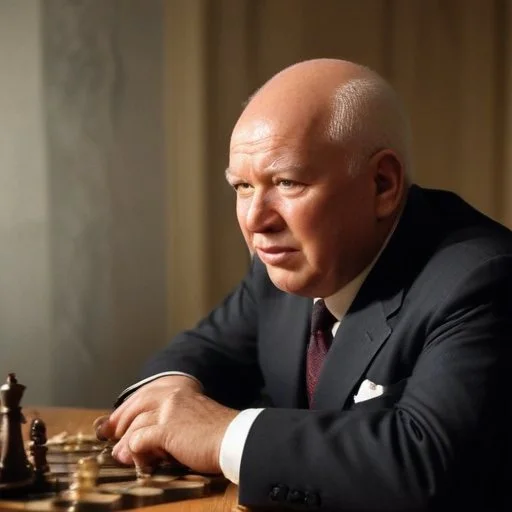
The post-war era saw Europe divided into Eastern and Western blocs, with the Soviet Union and the United States emerging as superpowers. The city of Berlin, located deep within the Soviet-occupied zone of East Germany, was a focal point of tension between the two powers. The Soviet Union had long sought to consolidate its control over East Germany, while the Western powers were determined to maintain their presence in Berlin.
In June 1961, Khrushchev met with US President John F. Kennedy in Vienna to discuss a range of issues, including the status of Berlin. However, the meeting took a dramatic turn when Khrushchev surprised Kennedy by announcing his intention to sign a separate peace treaty with East Germany, which would effectively grant the Soviet Union control over East Berlin and sever Western access to the city.
The Vienna summit and the subsequent construction of the Berlin Wall marked a significant escalation of the Cold War, bringing the world to the brink of nuclear conflict. The crisis ultimately ended with the signing of the Four Power Agreement in 1971, which guaranteed the Western powers' access to West Berlin and brought a measure of stability to the region.
The Berlin Crisis had a profound impact on popular culture, inspiring countless works of art, literature, and music. The city of Berlin became a symbol of freedom and resistance, and the Berlin Wall a potent symbol of the divisions of the Cold War.
In the years that followed, the Vienna summit and the Berlin Crisis would be remembered as a defining moment of the Cold War, a time when the world came perilously close to nuclear conflict. It was a stark reminder of the dangers of geopolitical brinksmanship and the importance of diplomacy in preventing global catastrophe.
The Vienna summit and the Berlin Crisis serve as a powerful reminder of the dangers of the Cold War era, and the importance of diplomacy and cooperation in preventing global conflict. Today, the city of Berlin stands as a symbol of freedom and unity, a testament to the power of diplomacy to overcome even the most entrenched divisions.
Known for his bold and unpredictable nature, Nikita Khrushchev was a Soviet Premier like no other. Born in 1894, Khrushchev rose to power through the Soviet ranks, becoming a key figure in Stalin's inner circle. After Stalin's death, Khrushchev emerged as a leading candidate for the Soviet premiership, eventually taking the reins in 1958.
Khrushchev's tenure was marked by a series of provocative moves, including the Cuban Missile Crisis and the Berlin Crisis. His actions were often seen as a calculated attempt to challenge Western powers and expand Soviet influence.
Despite his tough exterior, Khrushchev was also known for his charisma and wit. He was a skilled orator, able to connect with ordinary Russians and inspire loyalty among his supporters.

The Vienna Summit was a clash of two distinct diplomatic styles: Khrushchev's aggressive and confrontational approach versus Kennedy's more measured and nuanced method. While Khrushchev saw negotiation as a zero-sum game, Kennedy believed in finding mutually beneficial solutions.
This contrast in styles was evident in the two leaders' demeanor during the summit. Khrushchev was bombastic and confrontational, while Kennedy remained calm and composed. Despite these differences, both leaders shared a deep understanding of the stakes and the dangers of nuclear war.
The Berlin Wall, erected in 1961, became an instant cultural icon, symbolizing the divisions of the Cold War. The wall's imposing presence inspired countless works of art, literature, and music, from graffiti-covered murals to protest songs and poetry.
The wall also became a popular backdrop for celebrity photo shoots and fashion shoots, with icons like Jacqueline Kennedy and Twiggy posing in front of its concrete barrier.

The Berlin Crisis was not an isolated event, but rather a culmination of post-war tensions and alliances. The division of Europe into Eastern and Western blocs, the formation of NATO and the Warsaw Pact, and the ongoing arms race all contributed to an atmosphere of mistrust and hostility.
In this context, the Soviet Union saw the Western presence in Berlin as a threat to its own security and a challenge to its dominance in Eastern Europe.
The Berlin Crisis had significant implications for domestic politics in both the United States and the Soviet Union. Kennedy's leadership during the crisis boosted his popularity and cemented his reputation as a strong and decisive leader.
In the Soviet Union, Khrushchev's tactics were seen as a necessary response to Western aggression, and his popularity among ordinary Russians soared.