


Klement Gottwald, a shrewd and calculating communist leader, orchestrated a meticulously planned coup d'état in Prague, marking the end of the Third Czechoslovak Republic and paving the way for a new era of Soviet-influenced rule. This pivotal event, which occurred in 1948, would forever alter the fate of the Czechoslovakian people, suppressing democracy and entrenching communist ideology in the country.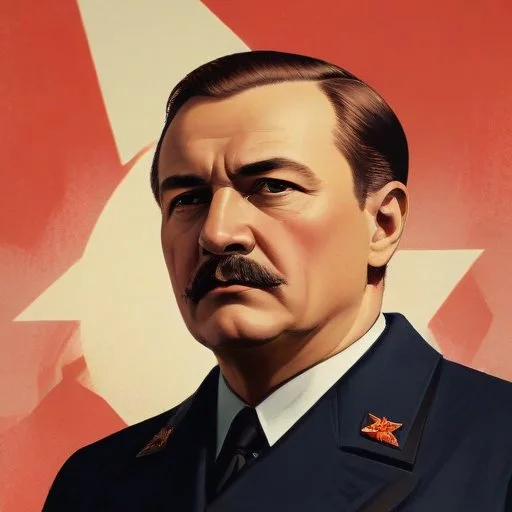
The aftermath of World War II had left Czechoslovakia in a state of political and economic turmoil. The country had suffered greatly during the war, and the subsequent division of Europe into Eastern and Western blocs had created an atmosphere of uncertainty and fear. The Third Czechoslovak Republic, established in 1945, was fragile and vulnerable to Soviet pressure.
February 20, 1948: Gottwald and the Communist Party, backed by the Soviet Union, began to exert pressure on the fragile government of the Third Czechoslovak Republic. They demanded greater representation in the cabinet and control over key ministries.
February 25, 1948: President Edvard Beneš, under immense pressure, appointed a new government dominated by the Communist Party. Gottwald was chosen as the Prime Minister, marking the beginning of communist rule in Czechoslovakia.
The Communist Party takeover had far-reaching consequences for Czechoslovakia:
The communist takeover had a profound impact on Czechoslovakian culture and society:
The coup d'état and the subsequent establishment of communist rule were met with widespread international condemnation. The event was seen as a blatant example of Soviet aggression and expansionism, and it marked the beginning of the Cold War in Eastern Europe.
Many Czechoslovaks have shared personal accounts of the tumultuous period, including stories of forced labor, political imprisonment, and the suppression of artistic expression. These accounts provide a poignant and humanizing perspective on the consequences of Gottwald's masterful coup.
The Communist Party takeover in Czechoslovakia had significant implications for the future of Eastern Europe:
In conclusion, Klement Gottwald's masterful coup in Prague marked a pivotal moment in Czechoslovakian history, forever altering the course of the country's development and entrenching Soviet-influenced rule. This event continues to serve as a cautionary tale about the dangers of communist ideology and the importance of preserving democratic values.
Klement Gottwald was born on November 23, 1896, in Vyškov, Czechoslovakia. His early life was marked by poverty and hardship, which would later influence his political ideology. Gottwald's rise to prominence in the Communist Party of Czechoslovakia was marked by his cunning and strategic thinking, earning him the nickname "The Fox."
Gottwald was a skilled politician who navigated the complex web of Soviet politics, forming close relationships with key figures like Joseph Stalin. His ability to balance the demands of the Soviet Union with the needs of the Czechoslovakian people was crucial in his successful coup.

The communist takeover had a profound impact on Czechoslovakian culture, as the new government sought to suppress any creative expression deemed counter-revolutionary. The once-thriving art scene was stifled, with many artists forced to flee the country or risk imprisonment.
The government's strict control over literature and media led to a decline in literary production, as authors were forced to conform to the party's ideological line. The few writers who dared to challenge the regime were met with brutal suppression.
The communist regime's attempts to shape Czechoslovakian culture ultimately failed, as the people found ways to resist and subvert the government's efforts.The communist takeover led to a rapid decline in Czechoslovakia's economy, as the government's nationalization of industries and implementation of Soviet-style economic policies stunted growth and innovation.
The forced collectivization of agriculture led to widespread poverty and food shortages, while the suppression of private enterprise stifled entrepreneurship and innovation.
The economic consequences of communist rule were devastating, with Czechoslovakia's GDP declining by over 20% in the first decade of communist rule.
The communist takeover in Czechoslovakia occurred against the backdrop of increasing tensions between the Eastern and Western blocs. The Soviet Union, seeking to expand its influence in Eastern Europe, saw the country as a strategic prize.
The United States and its allies, concerned about the spread of communism, condemned the takeover and imposed economic sanctions on the Soviet Union.
The communist takeover in Czechoslovakia marked a pivotal moment in the Cold War, as the world was forced to confront the reality of Soviet aggression.The communist takeover was followed by a ruthless consolidation of power, as Gottwald and the Communist Party sought to eliminate any opposition to their rule.
The government used a combination of propaganda, intimidation, and force to suppress dissent, jailing thousands of political opponents and crushing any attempts at resistance.
The communist regime's consolidation of power was marked by a complete disregard for democratic principles and human rights.