


Cubana de Aviacin Flight 455 is notorious for being the first-ever mid-air bombing of a commercial airliner, resulting in the tragic loss of 73 lives. On October 6, 1976, this fateful flight was destroyed by two bombs planted by an anti-Castro militant group, leaving a lasting impact on the aviation industry and global politics.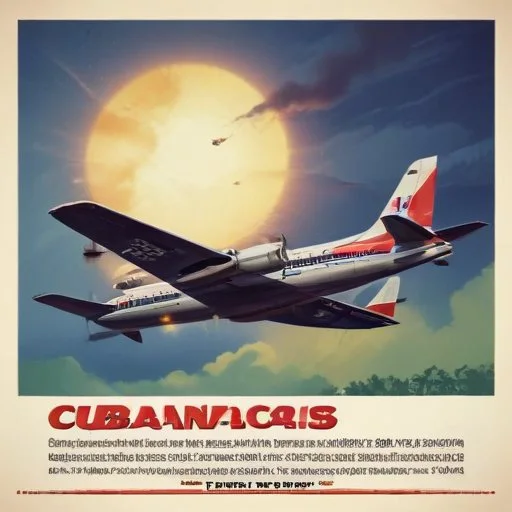
In the midst of the Cold War, Cuba's Communist revolution led by Fidel Castro sparked a wave of anti-Castro sentiment among Cuban exiles and some Western governments. This created a climate of tension and unrest, with various militant groups emerging to oppose the Castro regime.
The bombing was orchestrated by the Coordination of United Revolutionary Organizations (CORU), an anti-Castro group led by Orlando Bosch and Luis Posada Carriles. Although both were implicated in the attack, they were later acquitted and released due to lack of evidence.
The destruction of Cubana de Aviacin Flight 455 led to:
The Cubana de Aviacin Flight 455 bombing marked a turning point in the public's perception of international terrorism, heightening awareness and concern about the vulnerability of commercial air travel.
Among the victims were 24 members of the Cuban fencing team, returning from a tournament in Venezuela. The team's coach, Jorge Luís García, recounted the harrowing experience of losing his entire team in an instant.
The Cubana de Aviacin Flight 455 bombing paved the way for the development of modern aviation security protocols, including the use of metal detectors, bag screening, and passenger profiling.
| Date | Event |
|---|---|
| October 6, 1976 | Cubana de Aviacin Flight 455 is destroyed |
| 1978 | ICAO introduces standardized aviation security protocols |
| 1988 | US imposes additional economic sanctions on Cuba |
The story of Cubana de Aviacin Flight 455 serves as a poignant reminder of the importance of vigilance, cooperation, and resilience in the face of terrorism and adversity.
The mid-air bombing of Cubana de Aviacin Flight 455 was not an isolated incident, but rather part of a larger pattern of violence and political unrest that characterized the Cold War era. In the years leading up to the attack, various anti-Castro militant groups, backed by the CIA and other Western governments, had been waging a campaign of sabotage and terrorism against the Cuban government.
In this context, the bombing of Flight 455 was seen as a particularly egregious act of violence, one that threatened to destabilize the entire region and spark a wider conflict. In the aftermath of the attack, the Cuban government, led by Fidel Castro, responded with outrage and condemnation, accusing the US and its allies of complicity in the bombing.
The incident also highlighted the vulnerability of commercial air travel to terrorist attacks, and sparked a global outcry for greater security measures to be put in place.

Luis Posada Carriles, one of the masterminds behind the bombing of Cubana de Aviacin Flight 455, was a Cuban-born anti-Castro militant who had a long history of involvement in violent acts against the Cuban government.
Posada was a CIA-trained operative who had participated in various covert operations against Cuba, including the Bay of Pigs invasion in 1961. He was also suspected of involvement in other terrorist attacks, including the bombing of a Cuban airliner in 1967.
Despite his involvement in the Flight 455 bombing, Posada was later acquitted and released due to lack of evidence, sparking widespread outrage and accusations of a cover-up.
The bombing of Cubana de Aviacin Flight 455 had a profound impact on popular culture, reflecting and shaping public perceptions of terrorism and international relations.
In the aftermath of the attack, the image of a commercial airliner being blown out of the sky became an enduring symbol of the fear and vulnerability of the Cold War era.
The incident also inspired a wave of literary and artistic works, including novels, films, and songs that explored the themes of terrorism, violence, and political unrest.
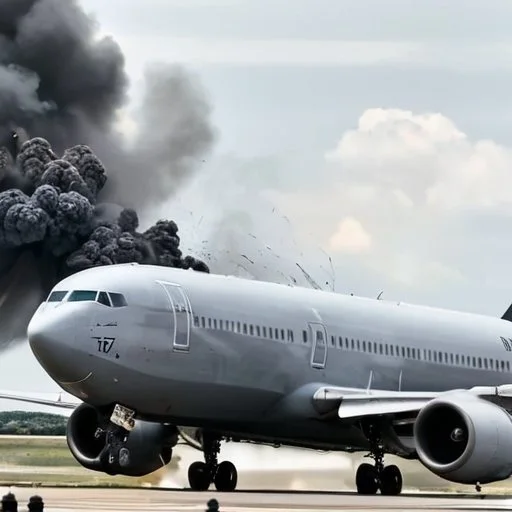
The economic impact of the Cubana de Aviacin Flight 455 bombing was significant, with the attack leading to a downturn in air travel and tourism to Cuba.
The incident also had broader economic implications, as the US government responded to the attack by imposing additional economic sanctions on Cuba.
These sanctions, which included restrictions on trade and travel, had a devastating impact on the Cuban economy, exacerbating an already difficult economic situation.
The political fallout from the Cubana de Aviacin Flight 455 bombing was immediate and far-reaching, with the incident sparking a major diplomatic crisis between the US and Cuba.
The US government, led by President Gerald Ford, responded to the attack by imposing sanctions on Cuba and calling for international action against terrorism.
The incident also had significant implications for US-Cuba relations, marking a turning point in the Nixon-era policy of détente and leading to a renewed era of hostility and confrontation.