


The Emergency Economic Stabilization Act of 2008 is best known for its unprecedented $700 billion bailout plan, aimed at rescuing the U.S. financial system from the brink of collapse. Signed into law by President George W. Bush on October 3, 2008, this landmark legislation marked a turning point in the global financial crisis, stabilizing markets and paving the way for a slow, arduous recovery.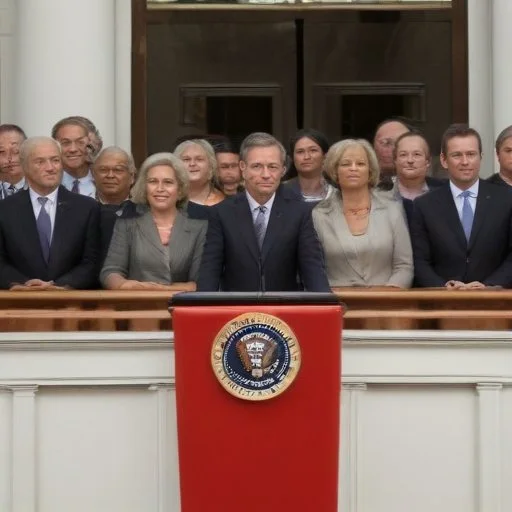
The Emergency Economic Stabilization Act of 2008 was a response to the perfect storm of factors that led to the global financial crisis. The housing market bubble, fueled by subprime lending and lax regulation, had burst, leaving a trail of foreclosures, bankruptcies, and toxic assets in its wake. The crisis was further exacerbated by a complex web of financial instruments, such as credit default swaps and collateralized debt obligations, which had become increasingly opaque and difficult to value.
The Emergency Economic Stabilization Act of 2008 had a profound impact on the U.S. financial system, stabilizing markets and preventing a complete collapse of the banking system. The legislation also paved the way for a series of subsequent reforms, including the Dodd-Frank Act, aimed at regulating the financial industry and preventing future crises.
The Emergency Economic Stabilization Act of 2008 marked a significant shift in the public's perception of the role of government in the economy. The bailout plan sparked widespread outrage and debate, with many questioning the wisdom of using taxpayer funds to rescue struggling banks and financial institutions.
The Emergency Economic Stabilization Act of 2008 was not without its controversies. Critics argued that the plan was a bailout for Wall Street fat cats, and that it did little to address the root causes of the crisis. Others questioned the wisdom of allowing the Treasury Department to purchase or insure up to $700 billion in troubled assets, without adequate oversight or transparency.
The Emergency Economic Stabilization Act of 2008 offers valuable lessons for policymakers and financial regulators around the world. The crisis highlighted the need for greater transparency, regulation, and oversight of the financial industry, as well as the importance of swift and decisive action in the face of a global financial crisis.
Henry Paulson, in his memoir "On the Brink," recalled the intense pressure and uncertainty surrounding the bailout negotiations, saying, "I felt like I was staring into the abyss, with the entire global financial system hanging in the balance."
The Emergency Economic Stabilization Act of 2008 set a precedent for future government interventions in the financial sector. The legislation paved the way for subsequent crises, including the European sovereign debt crisis and the COVID-19 pandemic, which have required similarly bold and unprecedented responses from policymakers.
Henry Paulson, the 74th Secretary of the Treasury, was the chief architect of the Emergency Economic Stabilization Act of 2008. A former CEO of Goldman Sachs, Paulson brought a wealth of experience in the financial sector to the role. His background in investment banking and his understanding of the complexities of the financial system made him an ideal candidate to navigate the treacherous waters of the crisis.
Paulson's leadership during the crisis was marked by his ability to work across party lines, forming close relationships with lawmakers and regulators to push through the bailout plan. His commitment to finding a solution was unwavering, and his tireless efforts ultimately led to the passage of the legislation.
After leaving office, Paulson wrote a memoir, "On the Brink," which provides a unique insight into the bailout negotiations and the intense pressure surrounding the crisis.

The Emergency Economic Stabilization Act of 2008 has drawn comparisons to President Franklin D. Roosevelt's New Deal, implemented during the Great Depression of the 1930s. Both initiatives involved significant government intervention in the economy, aimed at stabilizing markets and stimulating growth.
While the two programs share some similarities, there are also notable differences. The New Deal focused on job creation and infrastructure projects, whereas the 2008 bailout was primarily aimed at rescuing the financial sector. Additionally, the New Deal was a longer-term program, spanning over a decade, whereas the bailout was a more immediate response to the crisis.
Despite these differences, both initiatives demonstrate the importance of swift and decisive action in the face of economic crisis. They also highlight the need for policymakers to think creatively and develop innovative solutions to address complex economic problems.
The Emergency Economic Stabilization Act of 2008 had a profound impact on American culture, marking a significant shift in the public's perception of the role of government in the economy. The bailout sparked widespread outrage and debate, with many questioning the wisdom of using taxpayer funds to rescue struggling banks and financial institutions.
The crisis also led to a renewed focus on financial literacy and personal responsibility, as individuals began to re-examine their own financial habits and priorities. The bailout also sparked a wave of protests and activism, with movements such as Occupy Wall Street emerging in response to the crisis.

The Emergency Economic Stabilization Act of 2008 had a profound impact on the U.S. economy, stabilizing markets and preventing a complete collapse of the banking system. The legislation also paved the way for a series of subsequent reforms, including the Dodd-Frank Act, aimed at regulating the financial industry and preventing future crises.
The bailout also had a significant impact on the global economy, as the crisis was a major contributor to the global recession of 2008-2009. The legislation helped to restore confidence in the financial system, paving the way for a slow and arduous recovery.
According to a study by the Congressional Budget Office, the bailout ultimately cost taxpayers around $426 billion, significantly less than the initial estimated cost of $700 billion.
Historians have offered varying interpretations of the Emergency Economic Stabilization Act of 2008, with some viewing it as a necessary evil to prevent a complete collapse of the financial system. Others have been more critical, arguing that the bailout was a misguided attempt to paper over the underlying problems in the financial sector.
Some historians have drawn parallels between the 2008 crisis and the Great Depression of the 1930s, highlighting the similarities between the two events. Others have focused on the role of deregulation and lax oversight in contributing to the crisis.
Despite these differing perspectives, there is a general consensus that the bailout marked a significant turning point in the history of the U.S. financial system, highlighting the need for greater regulation and oversight to prevent future crises.