


The Federation of Malaya's independence from British colonial rule, declared on August 31, 1957, is a pivotal moment in the country's history. This monumental event marked the end of British colonialism and the beginning of self-governance for the Malaysian people.
The British colonization of Malaya began in the early 19th century, with the British East India Company establishing its presence in the region. Over time, the British government gradually extended its control, eventually formalizing its rule through the Federated Malay States in 1895. The Malayan Union, established in 1946, aimed to unify the various Malay states, but it was met with opposition from the Malay population, leading to the formation of the Federation of Malaya in 1948.
The independence of Malaysia had far-reaching consequences, both domestically and internationally:
The independence of Malaysia had a profound impact on the country's cultural and social landscape:
The road to independence was not without its challenges and controversies:
Tunku Abdul Rahman's iconic declaration of independence still resonates today:
"Merdeka! Merdeka! Merdeka!" — Tunku Abdul Rahman, August 31, 1957
Malaysia's independence shares parallels with other decolonization movements in Southeast Asia, such as Singapore's independence in 1963 and Indonesia's declaration of independence in 1945. These events demonstrate the region's struggle for self-determination and its emergence as a significant player on the global stage.
The independence of Malaysia paved the way for the country's future growth and development, including:
The Federation of Malaya's independence from the United Kingdom marked a significant turning point in the country's history, paving the way for self-governance, economic growth, and cultural development. As Malaysia continues to evolve and grow, its independence remains a testament to the country's resilience and determination to forge its own path in the world.
Tunku Abdul Rahman, the first Prime Minister of Malaysia, was a key figure in the country's struggle for independence. Born on February 8, 1903, in Alor Setar, Kedah, Tunku Abdul Rahman came from a family of Malay aristocrats. He was educated at Cambridge University, where he earned a law degree. After practicing law in England, he returned to Malaya in 1931 and became involved in nationalist politics.
Tunku Abdul Rahman was a charismatic leader who played a crucial role in negotiations with the British government. His excellent diplomatic skills and ability to build relationships with foreign leaders helped pave the way for Malaysia's independence. He was also a skilled orator, able to inspire and unite the Malaysian people behind the goal of independence.
Fun fact: Tunku Abdul Rahman was also a skilled sportsman and played cricket and tennis. He was even a member of the Malayan cricket team that played against the English team in 1932.
The independence of Malaysia had a profound impact on the country's cultural landscape. With the departure of the British, Malay became the national language, and efforts were made to promote unity and national integration through education policies.
The government encouraged the development of Malay literature, art, and music, and the country saw a resurgence of interest in traditional Malay crafts and traditions. The independence movement also sparked a renewed sense of national identity, as Malaysians celebrated their unique cultural heritage.
Infographic: The Rise of Malay Culture in Independent MalaysiaThe historical context of Malaysia's independence is closely tied to the decolonization movement in Southeast Asia. The region, which had been subject to colonial rule for centuries, was ripe for change in the post-World War II era.
Malaysia's independence was influenced by the decolonization movements in neighboring countries, such as Indonesia and Singapore. The success of these movements inspired nationalist sentiments in Malaysia, leading to increased demands for independence.
Timeline: Decolonization in Southeast Asia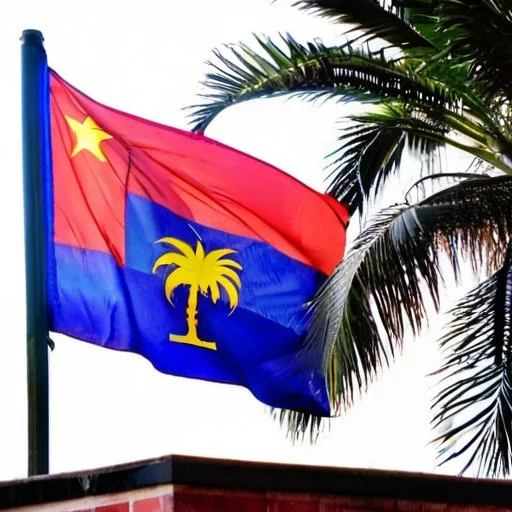
Malaysia's independence paved the way for rapid economic growth, driven by its natural resources and strategic location. The country's economic development was facilitated by the production of commodities such as rubber, tin, and oil.
The government invested heavily in infrastructure development, building roads, ports, and telecommunications networks to support economic growth. This led to a significant increase in foreign investment, as multinational corporations took advantage of Malaysia's favorable business environment.
Economic Indicators: GDP Growth, Foreign Investment, and Exports in Independent MalaysiaThe independence of Malaysia had significant political implications for the country and the region. The country's transition from colonial rule to self-governance marked a major shift in power dynamics.
The government's efforts to balance the rights and interests of its diverse racial groups led to the establishment of a unique political system, designed to promote unity and stability. The country's independence also led to its involvement in regional organizations, such as the Association of Southeast Asian Nations (ASEAN).
Key Players: The Role of Political Leaders in Shaping Independent Malaysia