


In a remarkable display of resilience and determination, Argentina took a monumental step towards democracy on October 30, 1983, when the country held its first free and fair elections since 1976, marking the end of seven long years of oppressive military rule. This pivotal event marked a triumphant return to democratic governance, as millions of Argentine citizens exercised their newly restored right to vote, choosing their leaders and paving the way for a brighter future.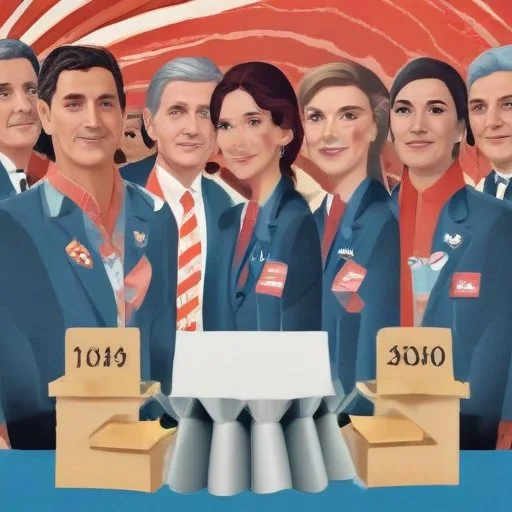
The military junta, which had been in power since 1976, had ruled Argentina with an iron fist, suppressing dissent, restricting civil liberties, and perpetrating human rights abuses. However, as the regime's popularity waned, and international pressure mounted, the generals finally agreed to hold democratic elections, paving the way for Argentina's return to democratic rule.
The 1983 elections marked a significant milestone in Argentina's transition to democracy, with the opposition candidate Raúl Alfonsín winning the presidency. The elections also saw the participation of multiple political parties, the restoration of civil liberties, and the beginnings of a truth and reconciliation process to address the human rights abuses of the military regime.
The 1983 elections had a profound impact on Argentine society, as citizens began to reassert their rights and freedoms. The event inspired a sense of national pride and Identity, as Argentines came together to celebrate their country's return to democracy.
"Today, we Argentines have taken a significant step towards the consolidation of our democracy. We have shown that we are capable of overcoming the most difficult obstacles and of forging a new path forward." - Raúl Alfonsín, President of Argentina (1983-1989)
The 1983 elections in Argentina served as a powerful symbol of democracy's resilience and the human desire for freedom and self-determination. The event continues to inspire people around the world, offering a beacon of hope for those struggling against authoritarianism and oppression.
In conclusion, the first democratic elections in Argentina, after seven years of military rule, marked a triumphant return to democratic governance, restoring power to the people and paving the way for a brighter future. This historic event will forever be remembered as a testament to the strength and determination of the Argentine people in the face of adversity.
In the years leading up to the 1983 elections, Argentina witnessed a series of events that paved the way for the country's transition to democracy. One such event was the 1981 National March for Democracy, which brought together thousands of people demanding democratic reforms and an end to the military regime.
Additionally, the 1982 Falklands War (Malvinas War) between Argentina and the United Kingdom dealt a significant blow to the military government's popularity, further eroding its grip on power.
These events, combined with the growing discontent among the Argentine people, created a perfect storm that ultimately led to the generals' decision to hold democratic elections.
Raúl Alfonsín's rise to power was nothing short of remarkable. A soft-spoken lawyer and human rights activist, Alfonsín was not a natural politician, yet he commanded respect and admiration from the Argentine people.
His commitment to democratic reforms and his willingness to listen to the opposition earned him the nickname "the wise man of Argentine politics."
Alfonsín's leadership was instrumental in guiding Argentina through its transition to democracy, and his presidency (1983-1989) will always be remembered as a period of hope and renewal for the Argentine people.
The 1983 elections had a profound impact on Argentine culture, symbolizing the country's renewed commitment to democracy and human rights.
The event inspired a wave of artistic expression, with musicians, writers, and artists creating works that celebrated the country's newfound freedom.
Moreover, the elections marked a shift in national identity, as Argentines began to reassert their rights and freedoms, and reclaim their country's rich cultural heritage.
The 1983 elections were a watershed moment in Argentine politics, marking a significant shift in power from the military government to the democratic opposition.
The elections were a testament to the strength and resilience of the democratic movement, which had been gathering momentum since the late 1970s.
The electoral victory of Raúl Alfonsín and the Radical Civic Union (UCR) party marked the beginning of a new era in Argentine politics, characterized by a commitment to democratic governance and human rights.
The 1983 elections took place against the backdrop of a shifting global landscape, with the Cold War still casting a long shadow over international relations.
The Argentine military government's decision to hold democratic elections was, in part, a response to growing international pressure, particularly from the United States and Europe.
The elections were seen as a significant step forward for democracy in the region, and marked a turning point in Argentina's relations with the international community.