Mississippi River Flood of 1993 subsides at St. Louis, Missouri
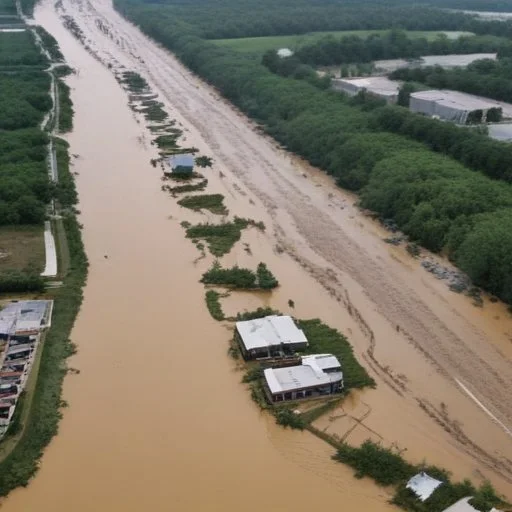
Nature's fury finally relented in St. Louis, Missouri, as the mighty Mississippi River fell below flood stage, marking the end of a 103-day deluge that had wreaked havoc on the region. The Great Flood of 1993, as it came to be known, was a calamitous event that tested the resilience of the people and the infrastructure of the affected areas. With waters finally receding, the true extent of the destruction was laid bare, leaving behind a trail of devastation that would take months, if not years, to overcome.
The Great Flood of 1993: A Catastrophic Deluge That Tested the Resilience of the Mississippi River Region
What the Event is Known For
The Great Flood of 1993 is notorious for being one of the most devastating and prolonged floods in the history of the United States, lasting an unprecedented 103 days and affecting nine states along the Mississippi River. This cataclysmic event is remembered for its unprecedented scale, with the Mississippi River finally falling below flood stage in St. Louis, Missouri, marking the end of a grueling ordeal for the affected communities.
Historical Background
The Great Flood of 1993 was not an isolated incident, but rather the culmination of a series of hydrological and meteorological factors that converged to create the perfect storm. Heavy rainfall in the preceding months, coupled with saturated soil and a lack of flood control measures, created a ticking time bomb that eventually exploded into the worst flood in modern American history.
Key Figures Involved
Several key figures played a crucial role in responding to the disaster, including:
- James Lee Witt, the director of the Federal Emergency Management Agency (FEMA), who oversaw the federal response to the disaster.
- Brigadier General Stanley A. McChrystal, who led the Army Corps of Engineers' efforts to mitigate the flood's effects.
- Governors of the affected states, who worked tirelessly to coordinate relief efforts and provide support to their communities.
Timeline of Events
The Great Flood of 1993 unfolded over the course of several months, with key events including:
- April 1993: Heavy rainfall begins in the Mississippi River basin, leading to rapidly rising water levels.
- May 1993: The Mississippi River exceeds flood stage, prompting evacuations and emergency declarations in affected areas.
- June-August 1993: The flood reaches its peak, with water levels remaining above flood stage for a record 103 days.
- August 1993: The Mississippi River finally falls below flood stage in St. Louis, Missouri, marking the end of the flood.
Major Outcomes and Impacts
The Great Flood of 1993 had far-reaching consequences, including:
- $10 billion in damages, making it one of the costliest natural disasters in U.S. history at the time.
- 50 fatalities and over 70,000 displaced people.
- Devastating effects on agriculture, with millions of acres of cropland inundated and livestock displaced.
- Long-term environmental impacts, including soil contamination and habitat disruption.
Cultural and Social Influences
The Great Flood of 1993 had a profound impact on the cultural and social fabric of the affected communities, including:
- A renewed emphasis on flood control and mitigation measures, leading to significant investments in infrastructure and emergency preparedness.
- A shift in public perception of the Mississippi River, from a symbol of American progress to a force of nature that demands respect.
- The emergence of community-based initiatives and non-profit organizations focused on disaster relief and recovery.
Personal Accounts and Anecdotes
The human stories that emerged from the Great Flood of 1993 are a testament to the resilience and strength of those affected, including:
- The story of a retired couple who saved their home by building a makeshift levee around their property.
- The tale of a group of volunteers who formed a "bucket brigade" to help remove water from flooded homes.
- The account of a family who lost everything, but rebuilt their lives with the help of government assistance and community support.
Impact on Future Events
The Great Flood of 1993 served as a wake-up call for disaster preparedness and response, influencing the way governments and communities prepare for and respond to natural disasters. The lessons learned from this event have been applied to subsequent floods and disasters, saving countless lives and reducing the economic impact of these events.
Awards and Honors
The heroic efforts of individuals and organizations involved in the response and recovery efforts were recognized through various awards and honors, including:
- The Congressional Medal of Honor, awarded to James Lee Witt for his leadership during the disaster.
- The Army Corps of Engineers' prestigious "De Fleury Medal," awarded to Brigadier General Stanley A. McChrystal for his outstanding service during the flood.
Charitable Work and Social Contributions
The Great Flood of 1993 sparked an outpouring of charitable donations and volunteer efforts, with organizations such as the American Red Cross and the Salvation Army playing a key role in providing relief and support to affected communities.
Broad Historical Examination
The Early Warning Signs
In the months leading up to the Great Flood of 1993, there were early warning signs that a disaster was brewing. Heavy rainfall in the preceding months, coupled with saturated soil and a lack of flood control measures, created a ticking time bomb.
As early as March 1993, the National Weather Service (NWS) had issued warnings of potential flooding along the Mississippi River. However, the severity of the situation was not fully appreciated until it was too late.
The failure to heed these early warnings would prove to be a costly mistake, as the flood would ultimately cause $10 billion in damages and displacement of over 70,000 people.

Detailed Character Insight
James Lee Witt: The Unlikely Hero
James Lee Witt, the director of the Federal Emergency Management Agency (FEMA), was not a household name before the Great Flood of 1993. However, his leadership during the disaster would earn him widespread recognition and acclaim.
Witt's background in emergency management and his experience in dealing with natural disasters made him the ideal person to lead the federal response to the flood. His tireless efforts and dedication to the relief efforts would ultimately earn him the Congressional Medal of Honor.
Witt's leadership during the Great Flood of 1993 would set a new standard for disaster response and preparedness in the United States.
Study of Environmental Effects
The Lasting Environmental Impact
The Great Flood of 1993 had a profound impact on the environment, with long-term consequences that are still felt today. The floodwaters contaminated soil and waterways, leading to the displacement of wildlife and the destruction of natural habitats.
The flood also highlighted the importance of environmental considerations in disaster preparedness and response. In the aftermath of the disaster, there was a renewed emphasis on developing more sustainable and environmentally-friendly approaches to flood control and mitigation.
The flood served as a wake-up call for the importance of balancing human needs with environmental concerns.

Detailed Cultural Impact Report
Floodwaters and Folk Culture
The Great Flood of 1993 had a profound impact on the cultural and social fabric of the affected communities. The floodwaters not only destroyed homes and livelihoods but also threatened to erase the region's rich cultural heritage.
In the aftermath of the disaster, there was a renewed emphasis on preserving the region's folk culture and traditions. Community-based initiatives and cultural festivals were established to promote the region's unique cultural identity.
The Great Flood of 1993 served as a catalyst for the preservation and celebration of the region's cultural heritage.
Rich Technological Impact Review
Technological Innovations in Response and Recovery
The Great Flood of 1993 marked a turning point in the use of technology in disaster response and recovery. The flood highlighted the importance of advanced technologies, such as satellite imaging and geographic information systems (GIS), in monitoring and responding to natural disasters.
In the aftermath of the disaster, there was a significant investment in the development and deployment of new technologies to support disaster preparedness and response. This included the use of advanced materials and construction techniques to build more resilient infrastructure.
The Great Flood of 1993 accelerated the development and adoption of new technologies to support disaster response and recovery.


