


Aldo Moro, the former Italian Prime Minister, met a tragic end on May 9, 1978, when his lifeless body was discovered in the trunk of a car in Rome, 55 days after being kidnapped by the notorious Red Brigades. This brutal act sent shockwaves throughout Italy and beyond, marking a dark chapter in the country's history.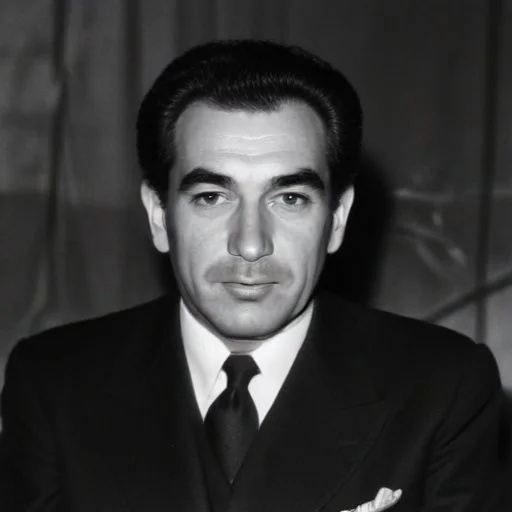
In the late 1970s, Italy was experiencing a period of social and political unrest, with left-wing extremist groups like the Red Brigades gaining momentum. These groups were opposed to the country's capitalist system and sought to overthrow the government through violent means. Aldo Moro, who had served as Prime Minister from 1963 to 1968 and again from 1974 to 1976, was a prominent figure in Italian politics and a target for these groups.
On March 16, 1978, Moro was kidnapped by the Red Brigades while on his way to a parliamentary session. The group, disguised as regular civilians, blocked his motorcade and whisked him away to an unknown location. The Italian government was left scrambling to respond, but the Red Brigades were determined to make a statement.
During his captivity, Moro was subjected to psychological manipulation and interrogation. The Red Brigades demanded the release of several imprisoned members in exchange for his freedom, but the government refused to negotiate. Meanwhile, Moro himself wrote several letters to his family and government officials, pleading for them to find a solution.
On May 9, 1978, Moro's body was found in the trunk of a car in Rome, a brutal end to a life dedicated to public service. The autopsy revealed that he had been shot in the heart, and the investigation later revealed that the Red Brigades had planned and executed the murder.
The kidnapping and murder of Aldo Moro had far-reaching consequences for Italy and beyond. The event marked a turning point in the country's struggle against terrorism, leading to increased security measures and a stronger stance against extremist groups. It also had a profound impact on the Italian people, who were left to grapple with the senseless violence and loss of a beloved leader.
In the aftermath of the tragedy, Moro's family and colleagues shared stories of his kindness, compassion, and dedication to public service. His widow, Eleonora Chiavarelli, later wrote a book about her husband's life and legacy, paying tribute to his memory.
The kidnapping and murder of Aldo Moro had a profound impact on Italian culture and society. It marked a shift in the country's political landscape, leading to increased awareness and vigilance against terrorism. It also inspired countless works of art, literature, and film, including the acclaimed movie "Buongiorno, notte" (Good Morning, Night) directed by Marco Bellocchio.
Aldo Moro's legacy continues to inspire and educate new generations of Italians and people around the world. His commitment to public service, his courage in the face of adversity, and his unwavering dedication to democracy serve as a beacon of hope and a reminder of the importance of standing up against violence and extremism.
In conclusion, the tragic kidnapping and murder of Aldo Moro was a dark chapter in Italian history, but it also marked a turning point in the country's struggle against terrorism and its commitment to democracy and public service. As we remember this event, we honor the memory of a great leader and pay tribute to the values he embodied.
The kidnapping and murder of Aldo Moro shares similarities with other high-profile political assassinations in history, such as the kidnapping of Hanns-Martin Schleyer by the Red Army Faction in Germany in 1977. Both cases involved left-wing extremist groups seeking to disrupt the political establishment and create a sense of chaos and instability. However, while Schleyer's kidnapping was more of an opportunistic act, Moro's abduction was a carefully planned and orchestrated event that had significant political implications. Additionally, Moro's captivity lasted for 55 days, whereas Schleyer was killed within a week of his kidnapping.
Another notable comparison can be drawn with the assassination of Israeli Prime Minister Yitzhak Rabin in 1995. Both Rabin and Moro were prominent political leaders who were brutally murdered by domestic extremists. While Rabin's assassination was motivated by opposition to the Oslo Accords, Moro's kidnapping and murder were driven by the Red Brigades' desire to overthrow the Italian government. Both events had a profound impact on their respective countries, leading to a re-evaluation of security measures and a renewed commitment to combating terrorism.

Historians have long debated the significance of Aldo Moro's kidnapping and murder, with some viewing it as a turning point in Italy's struggle against terrorism and others seeing it as a symptom of deeper political and social issues. According to one school of thought, the Red Brigades' actions were a desperate attempt to revive the fortunes of the Italian left, which had been declining in popularity since the 1960s. Others argue that the kidnapping was a manifestation of a broader crisis of legitimacy within the Italian political system, which had been plagued by corruption and instability since the post-war period.
More recently, historians have begun to re-examine the role of the Italian state in Moro's kidnapping and murder. Some have pointed to alleged links between the Red Brigades and elements within the Italian security services, suggesting that the government may have had a hand in Moro's fate. While these claims remain unsubstantiated, they have helped to fuel ongoing debates about the nature of the Italian state and its relationship with political extremism.
Aldo Moro's personality and character played a significant role in the events surrounding his kidnapping and murder. His reputation as a skilled mediator and negotiator, honed during his years in politics, led the Red Brigades to believe that he might be persuaded to intervene on their behalf. Moro's letters from captivity, which were widely publicized, also revealed a deep sense of humanity and compassion, even in the face of extreme adversity.
Moro's relationships with his family and colleagues also provide valuable insights into his character. His wife, Eleonora Chiavarelli, was a constant source of support throughout his political career, and her later writings about her husband's life and legacy offer a poignant and intimate portrayal of the man behind the politician. Moro's relationships with his colleagues, including his close friend and fellow politician, Francesco Cossiga, also shed light on his personal and professional life.

The geopolitical context of the late 1970s played a significant role in the Red Brigades' decision to kidnap and murder Aldo Moro. The Cold War was at its height, and Italy was a key battleground in the ideological struggle between East and West. The Red Brigades saw themselves as part of a broader international movement of left-wing extremists, and their actions were influenced by events in other parts of Europe and beyond.
The Italian government's response to the kidnapping was also shaped by its relationships with other European countries and the United States. The government's decision not to negotiate with the Red Brigades was influenced by pressure from international allies, who feared that giving in to terrorist demands would create a dangerous precedent. The subsequent investigation into Moro's murder also involved cooperation with foreign intelligence agencies, highlighting the transnational nature of the terrorist threat.
The kidnapping and murder of Aldo Moro had a profound impact on Italian culture and society. The event marked a turning point in the country's politics, leading to a increased awareness and vigilance against terrorism. It also inspired a range of artistic and cultural responses, including films, books, and music that reflected on the event and its aftermath.
The legacy of Aldo Moro can be seen in the countless works of art and literature that have been inspired by his life and death. From the acclaimed film "Buongiorno, notte" to the numerous books and essays that have been written about his life, Moro's story continues to captivate audiences and inspire new generations of artists and writers. His legacy is a testament to the power of art to respond to and reflect on traumatic events, and a reminder of the ongoing struggle against terrorism and political violence.