


In 1977, a pivotal moment in Philippine history unfolded as former Senator Benigno Aquino Jr. stood trial before the Philippine Military Commission No. 2, accused of murder, rebellion, and other crimes. The verdict would be a death sentence by firing squad, marking a turning point in the country's turbulent political landscape.
The Marcos regime had been in power since 1965, and by the mid-1970s, dissent was growing. Aquino, a vocal critic of President Ferdinand Marcos, had been a thorn in the side of the regime for years. His trial was seen as a move to silence the opposition and intimidate others who dared to speak out.
The trial was a sham, with many observers believing the outcome was predetermined. Aquino faced a panel of judges handpicked by Marcos, and the prosecution's case relied heavily on questionable testimony and fabricated evidence. Despite this, Aquino remained defiant, using the trial as a platform to denounce the regime and call for democratic reforms.
On November 25, 1977, the court delivered its verdict: Aquino was found guilty and sentenced to death by firing squad. The news sparked widespread outrage and protests, with many seeing the ruling as a ruthless attempt to eliminate opposition. For Aquino, the sentence was a badge of honor, and he used his final months to rally the opposition and inspire a new generation of activists.
Aquino's sentence was commuted to exile in 1980, and he spent three years in the United States, where he continued to advocate for democratic reforms in the Philippines. In 1983, he returned to Manila, only to be assassinated at Manila International Airport, sparking a wave of protests and eventual regime change.
Aquino's trial and assassination galvanized the Philippine opposition, paving the way for the People Power Revolution in 1986. The event also drew international attention to the Marcos regime's human rights abuses, ultimately contributing to its downfall. Today, Aquino is remembered as a hero and a symbol of resistance against oppression.
Aquino's words continue to inspire: "The Filipino is worth dying for" and "I would rather die on my feet than live on my knees" became rallying cries for the opposition.
Aquino's story serves as a testament to the power of courage in the face of adversity. His refusal to back down in the face of overwhelming odds inspired a generation to fight for their rights and demand a better future for the Philippines.
Aquino's struggle for democracy and human rights continues to inspire people around the world, serving as a beacon of hope in the face of oppression.
Benigno Aquino Jr.'s early life was marked by a strong sense of justice and a desire to serve his country. Born on November 27, 1932, in Concepcion, Tarlac, Philippines, he came from a prominent family of politicians and landowners. Aquino's education at Ateneo de Manila University and later at Harvard University's Kennedy School of Government laid the foundation for his future in politics.
Aquino's entry into politics was marked by his election as mayor of Concepcion at the age of 22, making him the youngest mayor in the country. He later became a senator in 1967, where he became a vocal critic of President Ferdinand Marcos' authoritarian regime. Aquino's unwavering commitment to democracy and human rights earned him numerous awards and recognition, including the Philippine Legion of Honor.

The historiography of the trial of Benigno Aquino Jr. is marked by a shift in narratives over time. Initially, the Marcos regime sought to portray Aquino as a dangerous subversive, using the trial as a means to justify his detention and silencing. However, as the news of the trial and its outcome spread, both locally and internationally, a counter-narrative emerged, portraying Aquino as a hero and a symbol of resistance against oppression.
This shift in narratives is reflected in the various historiographical accounts of the event, with some emphasizing the bravery and defiance of Aquino, while others focus on the human rights abuses and political repression of the Marcos regime. The complexities of these narratives highlight the ongoing struggle to come to terms with the legacy of the trial and its impact on Philippine history.
The trial of Benigno Aquino Jr. marked a turning point in the social change dynamics of the Philippines. The event galvanized the opposition, inspiring a new generation of activists to take up the cause of democracy and human rights. The subsequent assassination of Aquino in 1983 further fueled the movement, leading to the People Power Revolution in 1986 and the eventual downfall of the Marcos regime.
The social impact of the trial was felt beyond the Philippines, as it drew international attention to the human rights abuses and political repression of the Marcos regime. The event also inspired solidarity movements around the world, highlighting the power of collective action in bringing about social change.
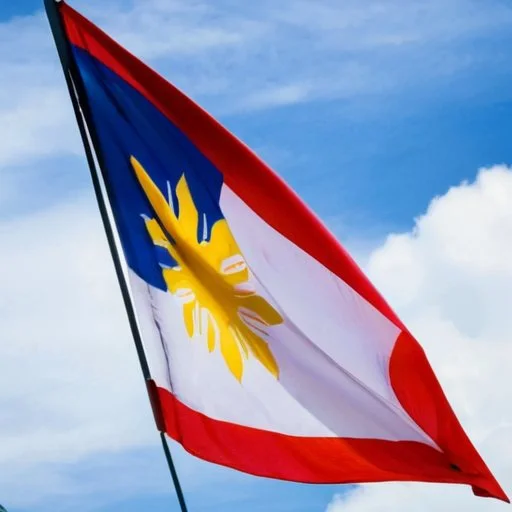
The trial of Benigno Aquino Jr. was a clash of ideologies, pitting the authoritarianism of the Marcos regime against the democratic ideals of Aquino. The event highlighted the tension between the two competing visions of governance, with Aquino's defiance serving as a beacon of hope for those seeking a more just and equitable society.
The philosophical underpinnings of the trial also raise fundamental questions about the nature of power, justice, and human rights. The event serves as a reminder of the ongoing struggle to balance individual freedoms with the need for political stability and order.
The trial of Benigno Aquino Jr. took place against the backdrop of a tumultuous geopolitical landscape. The Cold War was at its height, and the Philippines was seen as a key ally in the region for the United States. The Marcos regime's authoritarianism was tolerated, and even supported, by the US government, which viewed Aquino as a radical and a threat to regional stability.
However, the international outcry following the trial and Aquino's subsequent assassination led to a shift in US policy, with the Reagan administration eventually withdrawing its support for the Marcos regime. The event highlights the complex interplay between domestic politics and international relations, and the role of geopolitical context in shaping the course of history.