


The General Synod of the Church of England's groundbreaking decision in 1992 will forever be remembered as a landmark moment in the fight for gender equality. On November 11, 1992, the Synod voted overwhelmingly to allow women to become priests, shattering centuries-old traditions and paving the way for a more inclusive and diverse clergy.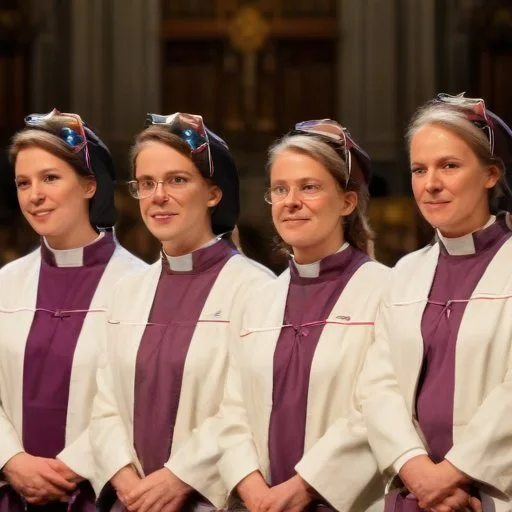
The Church of England's stance on women in the priesthood was not always progressive. For centuries, the clergy was exclusively male, with women relegated to secondary roles. However, as the women's liberation movement gained momentum in the 20th century, the Church began to reconsider its stance. The 1970s saw the first whispers of dissent, with women like Constance Coltman, a Church of England deaconess, advocating for women's ordination.
The 1992 vote had far-reaching consequences, both within the Church of England and beyond. It:
The vote was influenced by the broader social and cultural landscape of the time. The women's liberation movement, civil rights activism, and changing attitudes towards gender roles all played a part in shaping public opinion and informing the Church's decision.
The decision was not without controversy. Many traditionalists within the Church opposed women's ordination, citing scriptural and historical precedent. The vote sparked heated debate, with some arguing that it was a departure from traditional Church teaching.
"This is a momentous day, not just for the Church of England, but for the whole of society... It is a recognition that women have a vital role to play in the life of the Church." — The Most Rev. George Carey, Archbishop of Canterbury, 1992
This historic vote marked a significant turning point in the fight for gender equality within religious institutions. As the Church of England continues to evolve, it is clear that this pioneering decision will remain a beacon of hope and inspiration for generations to come.
The 1992 vote had a profound impact on the cultural landscape of the UK. It marked a significant shift in the way women were perceived in religious institutions, challenging traditional gender roles and stereotypes. The decision sparked a wave of media attention, with newspapers and magazines featuring women priests on their front pages. It also led to an increase in public debate and discussion about gender equality, solidifying the Church of England's position as a leader in the fight for women's rights.
The vote also had a profound impact on the Church's cultural identity, as it began to shed its traditional image and embrace a more modern, inclusive approach. The Church's willingness to adapt to changing social norms and values helped to revitalize its message and attract a new generation of followers.

Constance Coltman: A Pioneer for Women's Ordination
Constance Coltman was a Church of England deaconess who played a crucial role in the fight for women's ordination. Born in 1889, Coltman was a vocal advocate for women's rights, and her work helped lay the groundwork for the 1992 vote. She was one of the first women to be ordained as a deacon in the Church of England, and her dedication to the cause inspired countless others to take up the fight.
The 1992 vote was a significant political victory for the Church of England. It marked a turning point in the Church's relationship with the state, as it began to assert its independence and challenge traditional power structures. The decision sparked a wave of interest in religious politics, as politicians and policymakers began to take notice of the Church's growing influence.
The vote also had important implications for the Church's internal politics. It marked a shift in power from the traditional Anglican establishment to a more progressive, inclusive leadership. This shift had far-reaching consequences, as the Church began to take a more active role in shaping public policy and advocating for social justice.

The 1992 vote had a profound impact on religious education and training. The decision led to a significant overhaul of the Church's training programs, as it began to prepare women for priesthood. This meant that seminaries and theological colleges had to adapt their curricula and teaching methods to accommodate women students.
The vote also led to an increase in the number of women pursuing careers in religious education and ministry. This, in turn, helped to create a more diverse and inclusive religious leadership, as women began to take on senior roles in the Church.
The Historiographical Significance of the 1992 Vote
The 1992 vote marked a significant turning point in the historiography of the Church of England. It challenged traditional narratives about the role of women in the Church, and sparked a new wave of historical research into the contributions of women to Christian theology and ministry.
The decision also led to a re-examination of the Church's own history, as scholars and historians began to explore the ways in which women had been marginalized and excluded from religious institutions. This led to a more nuanced and inclusive understanding of the Church's past, and helped to create a more just and equitable present.