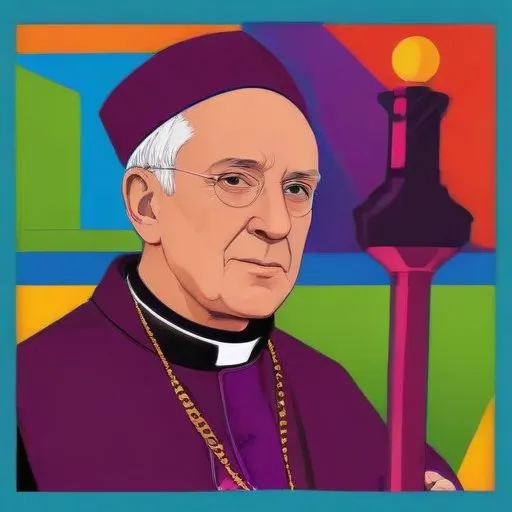
George Carey: The Controversial Archbishop of Canterbury
A Life of Service and Scandal
George Carey, Baron Carey of Clifton, is known for his tenure as the Archbishop of Canterbury from 1991 to 2002, a period marked by significant changes in the Church of England, including the ordination of women priests and the escalating debate over homosexuality. His leadership was also marred by controversy, particularly in his handling of sex abuse allegations within the church.
Early Life and Education
Born on November 13, 1935, in the East End of London, George Carey attended Bonham Road Primary School in Dagenham and later Bifrons Secondary Modern School in Barking. After leaving school at the age of 15, he worked as an office boy for the London Electricity Board before serving in the Royal Air Force as a wireless operator during his National Service.
Rise to Prominence
Carey's ecclesiastical career began in 1962, when he was ordained as a priest in the Church of England. He held various positions, including Canon Treasurer of Salisbury Cathedral and Bishop of Bath and Wells, before being appointed Archbishop of Canterbury in 1991.
Leadership and Controversy
During his time as Archbishop, Carey oversaw the ordination of the first women priests in the Church of England, a move that sparked controversy and division within the church. He was also criticized for his handling of the debate over homosexuality, particularly during the 1998 Lambeth Conference of Anglican bishops.
However, it was his response to sex abuse allegations that would ultimately tarnish his legacy. In 2017, an independent investigation found that Carey had covered up allegations of abuse against Bishop Peter Ball, failing to pass on six out of seven serious allegations to the police. The UK Child Sex Abuse Report later confirmed that Carey had committed serious breaches of duty in his handling of the allegations.
Fall from Grace
In June 2017, Carey resigned from his last formal role in the church following the investigation's findings. Although he was later granted permission to officiate by the Bishop of Oxford, this was revoked in 2020 after further allegations of abuse came to light. Permission was restored seven months later, but the damage to Carey's reputation had already been done.
Legacy and Impact
Despite his controversial legacy, Carey's impact on the Church of England cannot be denied. His leadership during a period of significant change helped shape the church's stance on issues such as women's ordination and homosexuality. However, his failures in addressing sex abuse allegations within the church have left a lasting stain on his reputation.
Personal Milestones and Key Life Events
- Born on November 13, 1935, in the East End of London
- Ordained as a priest in 1962
- Appointed Bishop of Bath and Wells in 1986
- Appointed Archbishop of Canterbury in 1991
- Resigned as Archbishop of Canterbury in 2002
- Resigned from last formal role in the church in 2017
Philosophical Contributions and Beliefs
Carey's theology was shaped by his evangelical background and his commitment to traditional Anglican values. However, his handling of controversial issues, such as homosexuality and women's ordination, revealed a more nuanced and complex approach to faith and leadership.
Quotes and Memorable Sayings
"The Church is not a club, but a community of people called by God to be a light to the world."
This quote, from Carey's 1993 Easter sermon, reflects his commitment to the Church of England as a force for good in the world, while also highlighting his own role as a leader and guide.
FAQ
What was George Careys role in the Church of England?
George Carey was the 103rd Archbishop of York, serving from 1991 to 2002.
What was George Careys early life like?
George Carey was born in 1935 and grew up in London. He studied theology at Kings College London and was ordained as a priest in 1962.
What awards did George Carey win?
George Carey was awarded several honorary degrees and honors for his service to the Church of England.
What was George Careys role in ecumenical dialogue?
George Carey was an active participant in ecumenical dialogue, seeking to promote greater understanding and cooperation between different Christian denominations.
What is George Careys legacy in the Church of England?
George Carey is remembered as a respected leader in the Church of England, known for his commitment to ecumenism and his role in shaping the churchs response to social and moral issues.