Germany annexes Czechoslovakia under Hitler's orders
The once-independent nation of Czechoslovakia disappeared from the map as German troops, under the command of Adolf Hitler, occupied the country, ripping apart the fragile peace established by the Munich Agreement just six months prior. The world watched in horror as the Nazis forcibly absorbed Czechoslovakia, its valuable resources and strategic location now at Hitler's disposal. This brazen move marked a critical step towards the unleashing of World War II.
Germany's Bolt from the Blue: The Occupation of Czechoslovakia
A Prelude to War: The Shattered Dream of Peace
Germany's occupation of Czechoslovakia in 1939 was a watershed moment in world history, marking a decisive shift towards the outbreak of World War II. This brazen act of aggression, which saw Nazi troops march into the country unopposed, exposed the fragility of the Munich Agreement and sent shockwaves across Europe.
Historical Background: The Rise of Nazi Ambition
In the aftermath of World War I, the Treaty of Versailles imposed harsh penalties on Germany, fuelling resentment and a desire for revenge.
Adolf Hitler, the charismatic leader of the Nazi Party, capitalized on these sentiments, promising to restore German greatness and redefine the country's borders. As the Nazi machine gathered momentum, European leaders attempted to appease Hitler, hoping to avoid another devastating conflict. However, the policy of appeasement merely emboldened the German leader, who began to pursue an aggressive expansionist agenda.
Key Figures Involved: The Masterminds of Occupation
- Adolf Hitler: The architect of Nazi Germany's aggressive expansion, Hitler's unyielding ambition and ideological fervour drove the invasion of Czechoslovakia.
- Neville Chamberlain: The British Prime Minister, Chamberlain's policy of appeasement towards Nazi Germany has been widely criticized for emboldening Hitler and paving the way for the occupation.
- Édouard Daladier: The French Prime Minister, Daladier's reluctance to confront Hitler's aggression further weakened the resolve of European leaders to stand up to Nazi Germany.
Timeline of Events: A Rapid Descent into Chaos
- September 1938: The Munich Agreement is signed, allowing Germany to annex the Sudetenland, a region of Czechoslovakia with a majority German population.
- March 15, 1939: Germany invades the remaining territories of Czechoslovakia, with Hitler declaring the country a German protectorate.
- March 16, 1939: The Slovak Republic is declared, with Jozef Tiso, a Slovak nationalist, becoming its president.
Major Outcomes and Impacts: A Snowball Effect of War
The occupation of Czechoslovakia had far-reaching consequences, including:
- The collapse of the Munich Agreement and the policy of appeasement, exposing the naivety of European leaders.
- The emboldening of Hitler, who now felt free to pursue further territorial conquests.
- The annexation of Austria and the invasion of Poland, ultimately leading to the outbreak of World War II.
Cultural and Social Influences: A Nation in Exile
The occupation of Czechoslovakia had a profound impact on the country's cultural and social fabric. Many Czechs and Slovaks were forced to flee their homeland, seeking refuge in other European countries or the United States. The country's rich cultural heritage, including its literature, music, and art, was suppressed, as the Nazi regime sought to impose its own ideology and values.
Controversies and Public Perception: A Legacy of Shame
The Munich Agreement and the subsequent occupation of Czechoslovakia have been widely criticized for their shameful appeasement of Nazi aggression. The policy of appeasement has been seen as a symbol of European leaders' failure to stand up to tyranny, and the devastating consequences that followed.
A Lesson in History: The Folly of Appeasement
The occupation of Czechoslovakia serves as a powerful reminder of the dangers of appeasement and the importance of standing up to aggression. As we reflect on this pivotal moment in history, we are reminded of the need for courage and resolve in the face of tyranny, lest we repeat the mistakes of the past.
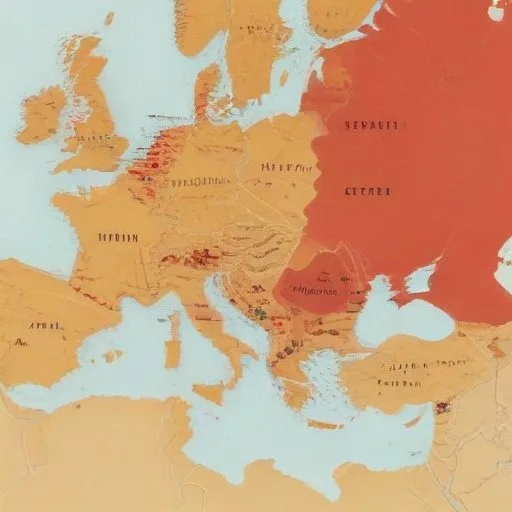
In-Depth Historical Analysis
Following the Munich Agreement, Germany's occupation of Czechoslovakia was facilitated by the fact that the country's military was largely dismantled. The Czechoslovak army, which had been one of the strongest in Europe, was forced to disarm, leaving the country vulnerable to invasion. This strategic mistake was compounded by the country's geographical location, nestled in the heart of Europe, making it an attractive target for Hitler's expansionist ambitions.
In the lead-up to the invasion, Hitler cleverly manipulated public opinion, using propaganda to create a sense of panic and urgency among the German population. He claimed that Czechoslovakia was a threat to German security and that the annexation of the Sudetenland was necessary to protect German minorities. This propaganda campaign was highly effective, and many Germans were convinced that the invasion was a necessary step to protect their country.
The occupation of Czechoslovakia was also facilitated by the country's complex system of alliances. Although Czechoslovakia had a mutual defense treaty with France, the French government was hesitant to take action, fearing a broader conflict. This hesitation created an opportunity for Hitler to strike, and he did so with devastating effect.

In-Depth Character Profile
Neville Chamberlain's reputation as a statesman was forever tarnished by his role in the Munich Agreement. His policy of appeasement, which was intended to avoid war at all costs, ultimately emboldened Hitler and paved the way for the occupation of Czechoslovakia. Chamberlain's decision to sacrifice Czechoslovakia's sovereignty in exchange for a fleeting promise of peace has been widely criticized as a grave mistake.
Despite his mistakes, Chamberlain remained a complex figure, driven by a genuine desire to avoid war. However, his naivety and failure to understand Hitler's true intentions ultimately led to his downfall. His resignation as Prime Minister in 1940 marked the end of an era, and he was succeeded by Winston Churchill, who would go on to lead Britain through the darkest days of World War II.
In-Depth Contrastive Study
The occupation of Czechoslovakia can be seen as a classic example of the dangers of appeasement. Hitler's aggressive expansionism was unchecked by European leaders, who were more concerned with avoiding war than standing up to tyranny. This policy of appeasement created a power vacuum, which Hitler was quick to exploit.
In contrast, the United States' policy of containment, which was employed during the Cold War, provides a useful counterexample. By standing firm against Soviet aggression, the US was able to prevent the spread of communism and ultimately contributed to the collapse of the Soviet Union. This contrast highlights the importance of standing up to aggression and the dangers of appeasement.

Examination of Cultural Influence
The occupation of Czechoslovakia had a profound impact on the country's cultural fabric. The Nazi regime sought to impose its own ideology and values on the Czech people, suppressing the country's rich cultural heritage. Many Czech artists, writers, and intellectuals were forced into exile, where they continued to produce works that reflected their patriotism and resistance to the Nazi occupation.
The occupation also had a significant impact on Czech literature, with many authors writing about the experience of living under Nazi rule. Works such as The City of Tears by Karel Čapek, which tells the story of a family's struggle to survive during the occupation, provide a powerful testament to the resilience of the Czech people.
Political Examination
The occupation of Czechoslovakia marked a significant shift in the balance of power in Europe. Hitler's aggressive expansionism was now unchecked, and he was free to pursue further territorial conquests. The collapse of the Munich Agreement and the policy of appeasement exposed the naivety of European leaders, who had failed to stand up to tyranny.
In the aftermath of the occupation, European leaders began to re-evaluate their approach to dealing with Nazi Germany. The policy of appeasement was widely discredited, and a new era of resistance and defiance began. The occupation of Czechoslovakia can be seen as a catalyst for this shift, highlighting the importance of standing up to aggression and the dangers of appeasement.


