


Ghana's independence from British colonial rule on March 6, 1957, marked a pivotal moment in African history, making it the first Sub-Saharan country to break free from colonial shackles. This monumental achievement not only earned Ghana its rightful place on the world map but also ignited a wave of independence movements across the continent.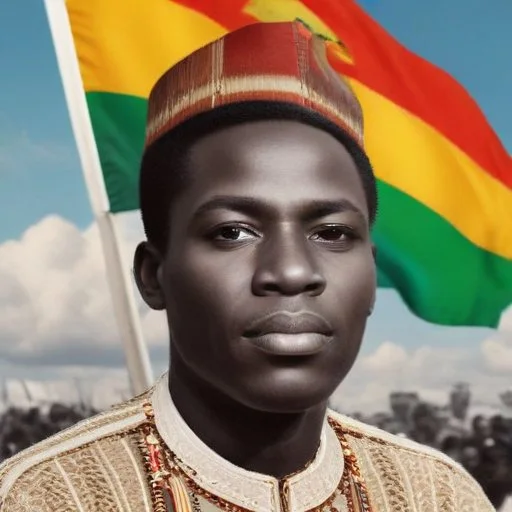
The roots of Ghana's independence movement can be traced back to the early 20th century, when nationalist sentiments began to simmer among the Ghanaian population. The country's strategic location on the West African coast made it a prized colony for the British, who exploited its rich natural resources and human capital. However, as the winds of change began to blow across the world, Ghanaians increasingly questioned the legitimacy of colonial rule.
Kwame Nkrumah, a charismatic and visionary leader, emerged as the driving force behind Ghana's independence movement. Born in 1909, Nkrumah was educated in the United States and Britain, where he absorbed the ideals of pan-Africanism and socialist philosophy. His return to Ghana in 1947 marked the beginning of a new era, as he quickly became the face of the nationalist movement.
Nkrumah's leadership was characterized by a clever blend of protest, negotiation, and coalition building. He mobilized the masses through powerful oratory and strategic protests, while engaging in diplomatic efforts with the British government. His ability to forge alliances with other nationalist groups and traditional leaders helped to galvanize the movement.
The journey to independence was marked by key milestones, including the formation of the Convention People's Party (CPP) in 1949 and the launch of the Positive Action campaign in 1950. The CPP's victory in the 1951 elections and Nkrumah's subsequent release from prison in 1951 paved the way for Ghana's transition to self-rule.
Ghana's independence had far-reaching consequences, both domestically and internationally. The country's newfound sovereignty enabled it to take control of its resources, economy, and foreign policy. The move also inspired a wave of independence movements across Sub-Saharan Africa, as other nations drew inspiration from Ghana's courage and determination.
The independence movement had a profound impact on Ghanaian culture and society. The celebration of African identity and the promotion of pan-Africanism helped to revive traditional values and customs. The country's independence also paved the way for rapid modernization and development, as Ghana embarked on an ambitious program of industrialization and urbanization.
While Ghana's independence was hailed as a triumph, it was not without its controversies. Some critics accused Nkrumah of authoritarianism and suppressive tactics, particularly in the latter years of his rule. However, his vision and leadership remain widely revered, and Ghana's independence is still celebrated as a testament to the power of African nationalism.
Kwame Nkrumah's words continue to inspire generations, serving as a testament to his unwavering commitment to African unity and self-determination.
Ghana's independence in 1957 marked a watershed moment in African history, paving the way for a new era of self-determination and pan-African cooperation. As the first Sub-Saharan country to break free from colonial rule, Ghana's achievement continues to inspire and motivate Africans and people of African descent worldwide.
Today, Ghana stands as a beacon of hope, a shining example of what can be achieved through courage, determination, and visionary leadership. As we reflect on this pivotal moment in history, we are reminded of the power of African agency and the boundless potential that lies within the continent.
Ghana's independence had a profound impact on its cultural identity. The country's newfound freedom allowed for a resurgence of traditional values and customs, which had been suppressed during the colonial era.
The Adinkra symbol, a traditional Ghanaian symbol of wisdom and strength, became a powerful emblem of national identity and pride.
The celebration of African identity and the promotion of pan-Africanism also led to a revival of traditional music, art, and literature. Ghanaian artists and musicians drew inspiration from their cultural heritage, creating works that reflected their newfound national pride.
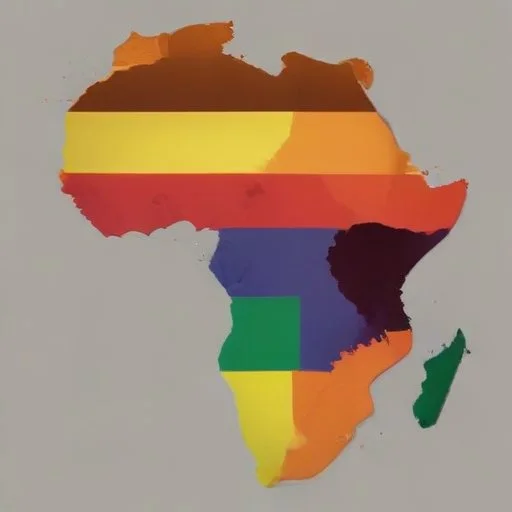
Historians have long debated the significance of Ghana's independence in the broader context of African decolonization.
Some have argued that Ghana's independence marked a turning point in the decolonization process, inspiring other African nations to demand their own freedom.
Others have suggested that Ghana's independence was merely a symptom of a larger global trend towards decolonization, driven by the decline of European colonial powers after World War II.
Kwame Nkrumah's leadership style was shaped by his early life experiences and education.
As a student in the United States, Nkrumah was exposed to the ideals of pan-Africanism and socialism, which would later influence his political philosophy.
His time in prison also had a profound impact on Nkrumah, allowing him to reflect on his goals and strategy for achieving independence.

Ghana's independence had significant economic implications, both domestically and internationally.
The country's new government was able to renegotiate trade agreements and secure better prices for its natural resources, such as cocoa and gold.
Ghana's independence also led to an increase in foreign investment, as international companies sought to capitalize on the country's rich natural resources and strategic location.
Ghana's independence was closely tied to the broader geopolitical context of the Cold War.
The Soviet Union saw Ghana's independence as an opportunity to expand its influence in Africa, while the United States viewed it as a key battleground in the fight against communism.
The country's leadership had to navigate these rival interests, balancing its relationships with both superpowers while maintaining its independence and sovereignty.