


The Golden Dragon massacre, a brutal and senseless act of violence, forever etched its mark on the vibrant city of San Francisco, leaving a lasting impact on its residents and the nation as a whole. This tragic event, which occurred on a fateful evening in 1977, is infamously known for being one of the deadliest mass shootings in San Francisco's history, claiming the lives of five innocent individuals and leaving 11 others wounded.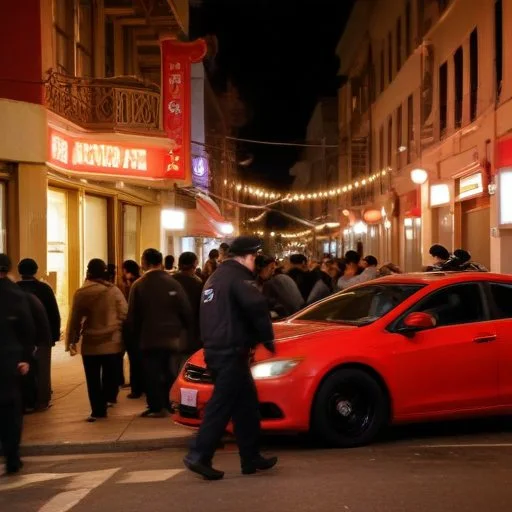
In the midst of the 1970s, San Francisco's Chinatown was experiencing a period of intense gang violence, fueled by rivalries between various factions vying for control. This tumultuous atmosphere created an air of unease, with residents living in constant fear of becoming embroiled in the crossfire of gang-related activity. It was against this backdrop of tension and uncertainty that the Golden Dragon massacre would unfold.
The perpetrators of the Golden Dragon massacre were identified as members of the Joe Boys gang, a notorious group known for their involvement in various criminal activities throughout San Francisco's Chinatown. The gang, comprising predominantly of young Chinese-American males, was driven by a desire for power and control, which ultimately led them to commit the heinous act of violence that would shock the nation.
The events of the Golden Dragon massacre unfolded with alarming swiftness, leaving little time for patrons to react or respond. At approximately 2:30 am on the fateful night, the five members of the Joe Boys gang stormed into the Golden Dragon Restaurant, wielding firearms and opening fire on the unsuspecting crowd. The brutal assault, which lasted mere minutes, left a trail of devastation in its wake, claiming the lives of five innocent individuals and wounding 11 others.
The Golden Dragon massacre sent shockwaves throughout the nation, prompting widespread outrage and condemnation. The tragic event led to a renewed focus on gang violence in San Francisco's Chinatown, with law enforcement agencies launching a concerted effort to crack down on criminal activity. The massacre also sparked a period of introspection within the Chinese-American community, prompting discussions on the need for greater support and resources to combat gang violence.
The Golden Dragon massacre had a profound impact on the cultural and social fabric of San Francisco, uniting the city in a shared sense of grief and outrage. The tragedy prompted a renewed sense of community, with residents and business owners coming together to support the victims' families and rebuild the devastated neighborhood. The event also sparked a renewed focus on community empowerment, with initiatives aimed at promoting greater understanding and cooperation between law enforcement agencies and the community.
The Golden Dragon massacre raised important questions about gang violence, community policing, and the need for greater support and resources to combat criminal activity. The tragedy sparked a heated debate on the role of law enforcement in combating gang violence, with many calling for increased cooperation between agencies and the community. The event also prompted a renewed focus on community-led initiatives, aimed at addressing the root causes of gang violence and promoting greater understanding and cooperation between rival factions.
In the aftermath of the Golden Dragon massacre, the city of San Francisco came together to mourn the loss of five innocent lives. The tragedy serves as a poignant reminder of the devastating consequences of gang violence and the need for continued efforts to promote greater understanding and cooperation within our communities. As we reflect on this tragic event, we are reminded of the importance of community empowerment, the need for greater support and resources, and the enduring legacy of a city united in grief and determination.
The Golden Dragon massacre serves as a poignant reminder of the devastating consequences of gang violence and the need for continued efforts to promote greater understanding and cooperation within our communities. As we reflect on this tragic event, we are reminded of the importance of community empowerment, the need for greater support and resources, and the enduring legacy of a city united in grief and determination.
The Golden Dragon massacre had a profound impact on the cultural fabric of San Francisco's Chinatown. The tragedy led to a renewed sense of community and solidarity among residents, with many coming together to support the victims' families and rebuild the devastated neighborhood. The event also sparked a renewed focus on community empowerment, with initiatives aimed at promoting greater understanding and cooperation between law enforcement agencies and the community.
The massacre also had a significant impact on the city's cultural identity, with many artists and writers using the event as inspiration for their work. The tragedy was commemorated in various forms of art, including poetry, music, and visual art, serving as a testament to the city's resilience and determination.

One of the key figures involved in the Golden Dragon massacre was Peter Ng, a notorious gang leader who was responsible for planning and executing the attack. Ng, who was born in Hong Kong and immigrated to the United States as a teenager, was known for his ruthless tactics and cunning business sense.
Ng's early life was marked by poverty and hardship, and he quickly turned to a life of crime to survive. He rose through the ranks of the Joe Boys gang, becoming one of its most feared and respected leaders. Despite his notorious reputation, Ng remained elusive and evaded capture for many years, earning him a legendary status among law enforcement officials.
The Golden Dragon massacre shares many similarities with other mass shootings that have occurred in the United States. Like the Texas Tower shooting in 1966, the massacre was carried out by a group of individuals who were motivated by a desire for power and control.
Unlike other mass shootings, however, the Golden Dragon massacre was unique in its cultural context. The attack was carried out by a group of Chinese-American gang members, and it highlighted the deep-seated tensions and rivalries that existed within San Francisco's Chinatown.
The massacre also shares similarities with other acts of gang violence that have occurred in urban areas, such as the Los Angeles riots of 1992. In both cases, the violence was fueled by a sense of frustration and disenfranchisement among marginalized communities.

The Golden Dragon massacre occurred against a backdrop of geopolitical tension and social unrest. The 1970s were a tumultuous time in San Francisco, with many residents protesting against the Vietnam War and fighting for civil rights.
The massacre also highlighted the deep-seated tensions that existed between different ethnic groups in San Francisco. The attack was carried out by Chinese-American gang members, who were motivated by a desire to assert their power and control over the city's Chinatown.
The event sparked a renewed focus on community relations and cultural understanding, with many calling for greater cooperation and dialogue between different ethnic groups.
The Golden Dragon massacre had a significant impact on the local economy, particularly in San Francisco's Chinatown. The attack led to a decline in tourism and business, as many residents and visitors avoided the area.
The massacre also led to a renewed focus on community development and investment, with many organizations and businesses working to revitalize the area.
In the years following the massacre, the city invested heavily in community development projects, including the construction of new housing, businesses, and cultural centers. These efforts helped to revitalize the area and restore a sense of community and pride among residents.