


The Indian Rebellion of 1857 will forever be etched in the annals of history as a pivotal moment of resistance against British colonial rule. At the epicenter of this uprising was the siege of Delhi, where Indian rebels, driven by burning resentment towards their colonial oppressors, seized control of the city from the British, marking a significant turning point in the struggle for independence.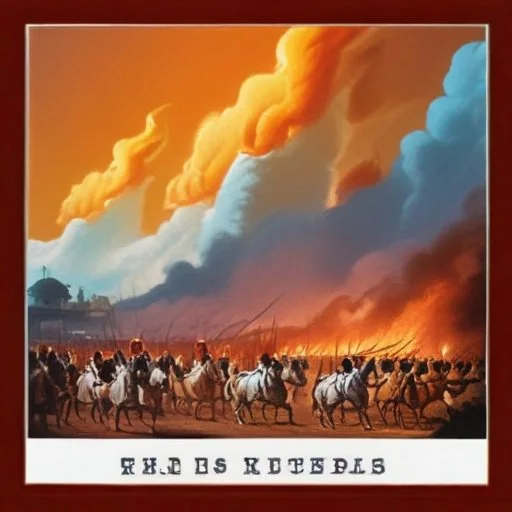
In the decades leading up to the rebellion, the East India Company's stranglehold on India had grown increasingly suffocating. The exploitation of Indian resources, the erosion of traditional ways of life, and the perceived disrespect towards Indian culture had created a powder keg of resentment among the native population. The spark that ignited this powder keg was the introduction of the Enfield rifle, which used greased cartridges that, rumor had it, were coated with cow and pig fat, outraging both Hindu and Muslim sentiments.
Bahadur Shah Zafar, the last Mughal Emperor, was the figurehead of the rebellion, lending his symbolic authority to the cause. However, it was the charismatic leadership of sepoy generals like Bakht Khan and the cunning of local landlords like the Raja of Ballabgarh that truly galvanized the rebellion. These individuals, driven by a desire for independence and self-governance, marshaled the disparate factions of Indians into a unified force against the British.
The siege of Delhi, and the subsequent rebellion, had far-reaching consequences. The British, realizing their governance strategies needed an overhaul, introduced the Government of India Act in 1858, which transferred power from the East India Company to the British Crown. This move, although not granting complete independence, marked a significant shift towards more direct British rule and paved the way for the eventual independence of India in 1947.
The Indian Rebellion of 1857 had a profound impact on Indian literature, art, and music. The rebellion inspired a range of literary works, including poetry and plays, that reflected the nationalist sentiment of the time. In the realm of music, the rebellion gave birth to patriotic songs and ballads that continue to resonate with Indians to this day.
The Indian Rebellion of 1857 remains a topic of heated debate among historians and scholars. While some view the rebellion as a heroic struggle for independence, others see it as a brutal and misguided uprising. The debate surrounding the rebellion's ideological underpinnings, its impact on Indian society, and the role of key figures like Bahadur Shah Zafar continues to fuel academic and public discourse.
"Delhi Chalo! (On to Delhi!)" - The rallying cry of the rebels as they marched towards Delhi.
The Indian Rebellion of 1857 served as a catalyst for future uprisings against British rule. The rebellion's emphasis on self-governance and national pride inspired generations of Indian nationalists, from Mahatma Gandhi to Subhas Chandra Bose, who would eventually lead the charge towards Indian independence.
The siege of Delhi was a decisive moment in the Indian Rebellion of 1857, marking a shift in the balance of power between the British and the Indian rebels. The British, caught off guard by the sudden uprising, were initially unprepared to respond effectively. Meanwhile, the rebels, driven by their desire for independence and self-governance, were able to capitalize on the British weakness and gain control of the city.
As the siege unfolded, the rebels, led by Bakht Khan and the Raja of Ballabgarh, employed guerrilla tactics, launching surprise attacks on British strongholds and exploiting the city's narrow streets and alleyways to their advantage. The British, on the other hand, were hampered by their traditional military tactics, which proved ineffective against the rebels' unconventional warfare.
Despite being outnumbered and outgunned, the rebels were able to hold off the British for several months, inflicting significant casualties and damage on the colonial forces. The siege was a testament to the rebels' determination and resourcefulness, and it marked a turning point in the rebellion, galvanizing public opinion and inspiring further resistance against British rule.

Bahadur Shah Zafar, the last Mughal Emperor, was a complex and enigmatic figure, driven by a mix of motivations and desires. While he was the figurehead of the rebellion, his involvement was marked by a sense of reluctance and ambivalence.
As the Emperor, Zafar was acutely aware of the symbolic significance of his position, and he was determined to protect the dignity and honor of the Mughal dynasty. At the same time, he was also driven by a sense of duty towards his people, and he was deeply troubled by the suffering and injustice inflicted upon them by the British.
Despite his flaws and limitations, Zafar remains an important figure in Indian history, representing a proud and ancient tradition of Indian monarchy and culture. His legacy continues to inspire and fascinate, serving as a powerful symbol of Indian resistance and resilience.
The Indian Rebellion of 1857 had a profound impact on Indian culture, sparking a resurgence of nationalist sentiment and inspiring a range of creative works and artistic expressions.
In literature, the rebellion inspired a generation of Indian writers, including Bankim Chandra Chattopadhyay, whose novel Anandamath remains a classic of Bengali literature. The rebellion also inspired a range of patriotic songs and ballads, which continue to be celebrated and sung in India to this day.
In art, the rebellion inspired a new wave of Indian artists, who sought to capture the spirit and drama of the uprising through their work. The rebellion also inspired a range of folk traditions and cultural practices, which continue to be observed and celebrated in India today.

The Indian Rebellion of 1857 marked a significant turning point in the history of British colonial rule in India, forcing the British to re-examine their governance strategies and adopt a more conciliatory approach towards Indian opinion.
In the aftermath of the rebellion, the British government introduced the Government of India Act, which transferred power from the East India Company to the British Crown. This move marked a significant shift towards more direct British rule, and it paved the way for the eventual independence of India in 1947.
The rebellion also had a profound impact on British politics, inspiring a range of debates and discussions about the nature of colonial rule and the rights of colonized peoples. The rebellion forced the British to confront the flaws and limitations of their colonial policies, and it marked a significant turning point in the development of British imperialism.
The Indian Rebellion of 1857 was driven by a range of ideological and philosophical motivations, including a desire for independence, self-governance, and national pride.
At its core, the rebellion was a struggle for dignity and self-respect, driven by a sense of righteousness and injustice. The rebels were motivated by a deep-seated desire to challenge the authority and dominance of the British, and to assert their own identities and cultural traditions.
The rebellion also drew on a range of philosophical and ideological influences, including the ideas of Indian nationalism, liberalism, and socialism. The rebels were inspired by a range of thinkers and leaders, including Rammohan Roy, who had advocated for Indian reform and modernization in the early 19th century.