


On a pivotal day in 1926, the International Convention to Suppress the Slave Trade and Slavery was signed, marking a significant turning point in the fight against human exploitation. This groundbreaking treaty recognized the inherent evil of slavery, acknowledging that all people have the right to live free from bondage and oppression.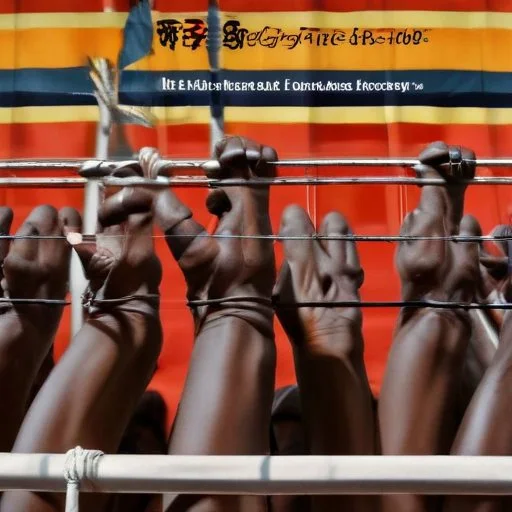
The road to the Convention was long and winding, paved with the struggles of abolitionists, civil rights activists, and countless individuals who refused to accept the perpetuation of slavery. The transatlantic slave trade, which began in the 15th century, saw millions of Africans forcibly enslaved and transported to the Americas, leading to widespread suffering, deaths, and social unrest.
The Convention was the culmination of tireless efforts by individuals and organizations committed to eradicating slavery. Notable figures such as William Wilberforce, Thomas Clarkson, and Frederick Douglass played crucial roles in shaping public opinion and influencing policymakers.
The Convention sent a powerful message to the world, affirming that slavery was a morally reprehensible practice that had no place in modern society. The treaty paved the way for increased international cooperation, prompting nations to adopt legislation and policies aimed at eradicating slavery and promoting universal human rights.
The Convention marked a significant shift in cultural and social attitudes, as public opinion began to turn against the institution of slavery. Art, literature, and music became powerful tools in the fight against slavery, raising awareness and inspiring empathy and outrage.
"Slavery is a system of brutal force, exercising uncontrolled dominion over the entire being of the slave." - Frederick Douglass
"The slave trade is a stain on the character of our nation, and a blot on the escutcheon of our country." - William Wilberforce
The struggle against slavery shares parallels with other human rights movements, such as the fight against apartheid, the civil rights movement, and the modern-day struggle against human trafficking. These shared struggles underscore the importance of continued vigilance and collective action in the pursuit of universal human rights.
In conclusion, the International Convention to Suppress the Slave Trade and Slavery marked a pivotal moment in human history, recognizing the inherent evil of slavery and paving the way for a future where all people could live free from bondage. As we reflect on this momentous occasion, we are reminded of the power of collective action and the importance of continued efforts to promote universal human rights and freedom.
The International Convention to Suppress the Slave Trade and Slavery was the culmination of decades of diplomatic efforts to combat the transatlantic slave trade. The Convention was preceded by several international agreements, including the 1815 Congress of Vienna, which condemned the slave trade as "repugnant to the principles of humanity and universal morality." The 1840 Anti-Slavery Convention in London further galvanized international opposition to the slave trade, paving the way for the eventual signing of the 1926 Convention.
In the years leading up to the Convention, humanitarian groups and abolitionist organizations intensified their campaigns to raise public awareness about the atrocities of the slave trade. The horrors of the Middle Passage, where millions of enslaved Africans perished during the treacherous journey across the Atlantic, were graphically illustrated in pamphlets, posters, and newspaper articles.
The Convention's signing was a testament to the power of transnational cooperation and the growing recognition of the inherent dignity and rights of all human beings. By recognizing slavery as a violation of human rights, the Convention set a vital precedent for future international human rights agreements.
?Frederick Douglass, the former slave turned abolitionist orator, was a towering figure in the fight against slavery. Born into bondage in Maryland in 1818, Douglass escaped to freedom in the North and became a powerful voice against the institution of slavery. His autobiographies, including Narrative of the Life of Frederick Douglass, provided a searing indictment of the slave system, exposing the brutal treatment of enslaved people and the hypocrisy of Christian slave owners.
Douglass's oratory skills and persuasive writings helped to sway public opinion against slavery, earning him the respect and admiration of prominent abolitionists like William Lloyd Garrison. As a delegate to the 1840 Anti-Slavery Convention in London, Douglass played a key role in shaping international opinion against the slave trade, paving the way for the eventual signing of the 1926 Convention.
The fight against slavery shares striking parallels with other human rights struggles throughout history. Like the anti-apartheid movement, which emerged in response to institutionalized racism in South Africa, the abolitionist movement sought to dismantle a system of oppression that dehumanized and exploited marginalized groups.
The tactics employed by abolitionists, including boycotts, petitions, and nonviolent resistance, would later be adopted by civil rights activists in the United States during the 1950s and 1960s. The intersectional nature of these struggles, which highlights the interconnectedness of racism, sexism, and economic exploitation, underscores the importance of continued vigilance and collective action in the pursuit of universal human rights.

The abolitionist movement had a profound impact on cultural production, influencing artistic and literary works that condemned the institution of slavery. Harriet Beecher Stowe's Uncle Tom's Cabin, published in 1852, became a bestseller and helped to galvanize public opinion against slavery. The novel's portrayal of the brutal treatment of enslaved people, coupled with its sentimental appeal, made it a powerful tool in the fight against slavery.
The visual arts also played a significant role in the abolitionist movement, with artists like Francisco de Goya and Thomas Nast creating works that graphically illustrated the horrors of the slave trade. Music, too, became an important medium for expressing anti-slavery sentiments, with songs like "Oh, Freedom" and "Wade in the Water" becoming anthems of the abolitionist movement.
The abolitionist movement was underpinned by a profound philosophical and ideological commitment to the principles of liberty, equality, and dignity. The recognition of slavery as a violation of human rights implicitly challenged the dominant ideologies of the time, including paternalism, racism, and xenophobia.
The movement's emphasis on the inherent dignity and worth of all human beings helped to lay the groundwork for modern human rights discourse, which posits that all individuals possess inalienable rights that are essential to their well-being and flourishing. By challenging the legitimacy of slavery, the abolitionist movement helped to establish a new moral and political framework for understanding human freedom and dignity.