


In 1502, a decree issued by Queen Isabella I of Castile sent shockwaves throughout the kingdom, altering the course of history. With a stroke of her pen, she effectively outlawed Islam in the Crown of Castile, forcing her Muslim subjects to choose between conversion to Christianity or facing the consequences.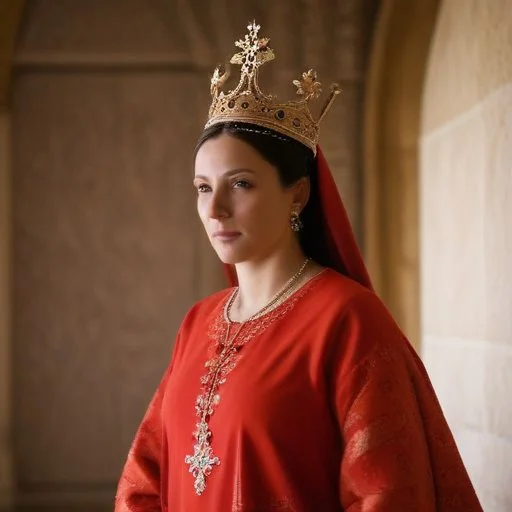
By the late 15th century, the Reconquista, a centuries-long struggle to reclaim the Iberian Peninsula from Muslim rule, had reached its climax. The marriage of Isabella I and Ferdinand II of Aragon had unified the two kingdoms, paving the way for a unified Catholic Spain.
Isabella I, known for her piety and strong sense of faith, saw the persecution of Muslims as a means to strengthen Catholicism in her realm. Her advisors, many of whom were clergy, urged her to take drastic measures to consolidate Christian rule.
The edict, issued on February 12, 1502, was clear in its intent: all Muslims in Castile were to convert to Christianity or face expulsion, imprisonment, or even death. Overnight, mosques were converted into churches, and the once-thriving Islamic community was forced to adopt a new faith.
The edict sparked widespread panic and resistance among Muslims, many of whom chose to flee to neighboring kingdoms or North Africa. Those who remained faced forced baptisms, persecution, and violence. The edict also led to the destruction of cultural and educational institutions, erasing a rich Islamic heritage in the region.
The edict of 1502 had far-reaching consequences, shaping the cultural and religious identity of Spain for centuries to come. It marked the end of Islamic rule in the Iberian Peninsula and cemented Catholicism as the dominant faith.
Isabella I's fateful edict remains a controversial and complex chapter in Spanish history. While it marked a significant milestone in the consolidation of Catholic power, it also led to the erasure of a rich Islamic cultural heritage and the persecution of innocent people.
In the end, the edict of 1502 serves as a poignant reminder of the dangers of religious intolerance and the importance of promoting understanding, tolerance, and coexistence between different faiths and cultures.
Isabella I was a complex figure, driven by her strong sense of faith and conviction. Born in 1451, she was raised in a pious household and was deeply devoted to Catholicism. Her marriage to Ferdinand II of Aragon was a union of both love and strategic politics, as they sought to unify the Iberian Peninsula under Catholic rule.
Isabella's advisors, many of whom were clergy, played a significant role in shaping her policies, particularly regarding the Muslim population. Her piety and conviction led her to believe that the Reconquista was a divine mission, and that the expulsion of Muslims was a necessary evil to strengthen Catholicism.

The edict of 1502 marked the beginning of the end of Islamic culture in Castile. Mosques were converted into churches, and Islamic art, architecture, and literature were systematically destroyed or erased. The rich cultural heritage of the region was lost, as Islamic scholars, poets, and artists were forced to flee or convert.
The destruction of Islamic cultural institutions had far-reaching consequences, as it led to a loss of cultural diversity and intellectual exchange. The once-thriving Islamic community in Castile was reduced to a mere shadow of its former self, and the region was forever changed.
The edict of 1502 was a calculated political move, aimed at consolidating Catholic power and eliminating potential threats to Isabella's rule. By banning Islam, she was able to unite her subjects under a single faith, thereby strengthening her own position and that of the Catholic Church.
The edict was also a response to the growing threat of the Ottoman Empire, which had been expanding its territories in Eastern Europe. By expelling Muslims from Castile, Isabella was able to negate the possibility of Ottoman influence in her realm.

The consequences of the edict of 1502 were devastating for the Muslim population of Castile. Thousands were forced to flee, leaving behind their homes, livelihoods, and communities. Those who remained faced forced conversions, persecution, and violence.
The edict led to a wave of protests and rebellions, as Muslims resisted the forced conversions and persecutions. The brutal suppression of these rebellions only added to the human cost, as innocent people were killed, injured, or displaced.
The edict of 1502 occurred at a time of significant geopolitical upheaval in Europe. The fall of Constantinople to the Ottoman Empire in 1453 had sent shockwaves throughout Christendom, and the Reconquista was seen as a necessary response to the perceived threat of Islam.
The edict was also influenced by the rise of nationalist sentiments in Europe, as countries began to assert their independence and consolidate their borders. The expulsion of Muslims from Castile was part of a broader trend of ethnic and religious cleansing in Europe, which would continue for centuries to come.