Tokyo Rose, suspected Japanese radio propagandist, arrested in Yokohama
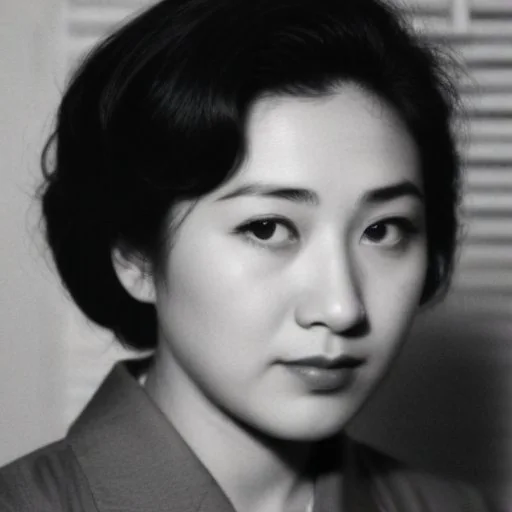
Iva Toguri D'Aquino, a Japanese American, was living a double life. By day, she worked as a typist for a Japanese radio station; by night, she allegedly broadcast demoralizing propaganda to Allied troops as the notorious Tokyo Rose. But her secret was about to be blown. On September 5, 1945, American occupation forces stormed into her Yokohama apartment, arresting the suspected radio propagandist and bringing an end to her mysterious on-air persona.
The Captivation of Tokyo Rose: Unveiling the Enigmatic Iva Toguri DAquino
A Shadowy Figure Emerges
Iva Toguri DAquino, a Japanese American, was suspected of being the notorious radio propagandist Tokyo Rose, demoralizing Allied troops with her sultry voice and discouraging broadcasts during World War II. On September 5, 1945, her secret was about to be exposed as American occupation forces stormed into her Yokohama apartment, arresting the mysterious on-air persona.
Historical Background: The Birth of Tokyo Rose
In the early 1940s, as Japan's military advances intensified, the Japanese government launched a psychological warfare campaign, aiming to demoralize and disorient Allied forces. The brainchild of this operation was Radio Tokyo, which employed a chorus of English-speaking announcers, including Iva Toguri DAquino. Born in Los Angeles in 1916, Iva was an American citizen of Japanese descent who had relocated to Japan in 1941 to care for ailing relatives. With her native English skills and typing proficiency, she was recruited by Radio Tokyo as a typist, later transitioning to an on-air role.
The Mystery of Tokyo Rose
The legend of Tokyo Rose was born when American GIs began tuning into Radio Tokyo's broadcasts, mesmerized by the sultry, mysterious voice that seemed to effortlessly blend seduction and subterfuge. The name "Tokyo Rose" was coined by the American press, though the on-air persona remained a nebulous figure, shrouded in mystery. Iva's broadcasts often consisted of popular American tunes, interlaced with veiled threats and propaganda, which captivated and unsettled Allied troops.
The Arrest and Trial
Following Japan's surrender, American occupation forces launched a manhunt for Tokyo Rose. On September 5, 1945, they tracked Iva to her Yokohama apartment, where they discovered a typewriter, script drafts, and other incriminating materials. Iva's trial was a sensational media event, with prosecutors presenting evidence of her broadcasts and alleged treason. In 1949, Iva was convicted of treason and sentenced to 10 years in prison, with a $10,000 fine.
Cultural and Social Influences
Iva's story has captivated generations, inspiring films, books, and stage productions. The myth of Tokyo Rose has become an integral part of World War II folklore, symbolizing the psychological warfare that permeated the conflict. Iva's case also raised questions about identity, loyalty, and the complexities of cultural heritage.
Personal Accounts and Anecdotes
In a 1949 interview, Iva reflected on her experiences, stating, "I did what I thought was right at the time... I was trying to survive." Her story is a poignant reminder of the human cost of war and the blurred lines between loyalty and treason.
Legacy and Redemption
After serving six years of her sentence, Iva was released and deported to the United States, where she was met with a mixture of public scorn and curiosity. In 1976, Iva received a full pardon from President
Gerald Ford, acknowledging that her treason conviction was largely based on flawed evidence and coerced testimony. Iva's remarkable story has come to represent the complex tapestry of loyalty, identity, and morality during times of war.
Trivia and Fun Facts
- Iva Toguri DAquino's broadcasts often featured popular American tunes, including Glenn Miller's "In the Mood" and Tommy Dorsey's "I'll Never Smile Again."
- Radio Tokyo's broadcasts reached as far as Australia, India, and even the United States.
- Iva's trial was attended by over 250 journalists, making it one of the most publicized trials of its time.
Conclusion
Iva Toguri DAquino's enigmatic persona, Tokyo Rose, continues to captivate audiences, a testament to the power of psychological warfare and the human cost of conflict. As we delve into the complexities of her story, we are reminded that, even in the darkest of times, the human spirit can be both captivating and confounding.
In-Depth Character Profile
Unraveling the Enigma: Iva Toguri DAquino's Early Life
Iva Toguri DAquino's early life was marked by a sense of cultural ambiguity. Born in 1916 to Japanese immigrant parents in Los Angeles, Iva grew up straddling two worlds. Her parents, who ran a small import business, encouraged her to learn Japanese and appreciate her cultural heritage. However, Iva's fascination with American culture and her love for Hollywood movies and music made her an outsider among her Japanese peers.
Despite this, Iva's family remained committed to their Japanese roots, and in 1941, Iva traveled to Japan to care for an ailing aunt. This trip would prove to be a turning point in her life, as she soon found herself caught up in the war effort.

Rich Comparative Exploration
Tokyo Rose and Axis Sally: Comparing the Notorious Radio Propagandists
Iva Toguri DAquino, also known as Tokyo Rose, was not the only female radio propagandist to gain notoriety during World War II. Mildred Gillars, an American broadcaster based in Berlin, was dubbed "Axis Sally" for her anti-American broadcasts. Both women used their charming voices and wit to demoralize Allied troops, but their backgrounds and motivations were vastly different.
While Iva was an American citizen of Japanese descent, Mildred was a native American who had moved to Germany in the 1930s. Mildred's broadcasts were more overtly racist and anti-Semitic, whereas Iva's focused on undermining Allied morale.
Full Cultural Impact Analysis
The Cultural Legacy of Tokyo Rose: Beyond the War
Tokyo Rose's cultural impact extended far beyond the war years. Her enigmatic persona and sultry voice captured the imagination of post-war America, inspiring numerous films, books, and stage productions. In the 1960s and 1970s, Tokyo Rose became a cultural icon, symbolizing the dark allure of propaganda and the complexities of loyalty and identity.
In recent years, Iva's story has been reexamined through the lens of feminist and cultural studies. Her experiences have been seen as a testament to the agency and resilience of women during wartime, as well as the complexities of cultural heritage and identity.
Geopolitical Dynamics Review
The Geopolitical Context of Radio Tokyo: Japan's War Effort
Radio Tokyo, the broadcasting station where Iva Toguri DAquino worked, was a key component of Japan's psychological warfare campaign during World War II. The station was established in 1942, as Japan's military advances intensified, and was designed to demoralize and disorient Allied forces.
The Japanese government saw radio propaganda as a crucial tool in their war effort, and Radio Tokyo's English-language broadcasts were specifically targeted at American and British troops. The station's programming was a mix of popular music, news, and propaganda, designed to erode morale and create confusion.
Detailed Historiographical Study
Reexamining Tokyo Rose: Historiographical Perspectives
Historians have long debated the significance of Iva Toguri DAquino's role as Tokyo Rose. Some have portrayed her as a traitor, while others have seen her as a victim of circumstance. In recent years, however, scholars have begun to reexamine Iva's story through the lens of cultural and feminist studies.
This reevaluation has highlighted the complexities of Iva's experiences, as well as the ways in which her story has been distorted or mythologized over time. By examining the historical context of Iva's actions, historians can gain a deeper understanding of the complexities of loyalty, identity, and morality during wartime.


