


In 1603, a monumental shift in power took place as James VI of Scotland was proclaimed King James I of England and Ireland, following the passing of the iconic Elizabeth I. This crowning marked the beginning of a new era, as the two nations, Scotland and England, were united under a single ruler, bringing an end to the Tudor dynasty.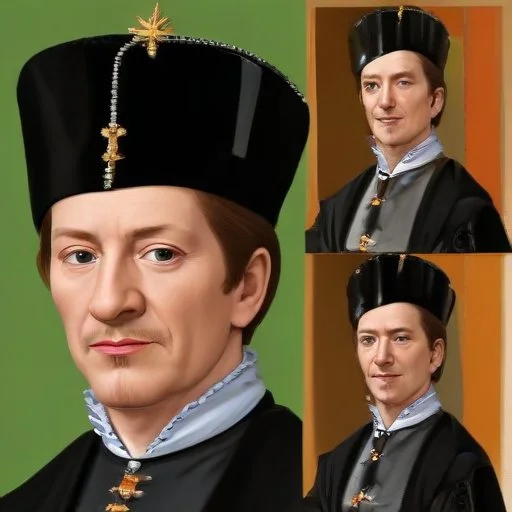
The death of Elizabeth I, the Virgin Queen, sent shockwaves throughout England. Without an heir, the throne was up for grabs, and James VI of Scotland, the son of Mary Queen of Scots, was the next in line. This unexpected turn of events led to a union that would shape the course of history.
March 1603: Elizabeth I passes away at Richmond Palace, leaving the throne vacant.
April 1603: Robert Carey rides to Edinburgh to inform James VI of his accession to the English throne.
May 1603: James VI leaves Edinburgh, accompanied by a large retinue, to claim his new throne in London.
July 1603: James is crowned King James I of England and Ireland at Westminster Abbey.
The Union of Crowns marked the beginning of a new chapter in English and Scottish history. The reign of James I would be characterized by significant cultural, literary, and political shifts.
The early years of James' reign saw a period of relative peace and stability, as he worked to consolidate his power and establish a new government. The king's passion for witch hunts led to a wave of persecutions, with many accused witches being put on trial and executed.
In the literary sphere, James' reign saw the flourishing of English theatre, with playwrights like William Shakespeare and Ben Jonson producing some of their most famous works.
The Union of Crowns had far-reaching cultural and social implications. The coming together of the two nations led to an exchange of ideas, customs, and traditions.
The Scottish court, with its strong Presbyterian traditions, brought a new wave of cultural influences to England, including the introduction of Presbyterianism and the promotion of education.
In turn, English culture, with its strong emphasis on theatre, music, and literature, had a profound impact on Scottish society.
According to Robert Carey, James VI was "a man of great wit and learning," who was "much given to the study of magic and the occult."
One anecdote tells of James' passion for witch hunts, which led him to personally attend the trial of the infamous North Berwick witches in 1590.
The Union of Crowns set the stage for the eventual creation of the Kingdom of Great Britain in 1707, when the Acts of Union united Scotland and England under a single government.
The cultural and literary achievements of James' reign paved the way for the English Renaissance, which would go on to shape the course of Western literature.
In conclusion, the crowning of James VI of Scotland as King James I of England and Ireland marked a pivotal moment in history, one that would have far-reaching consequences for the development of both nations.
The Union of Crowns marked a significant cultural shift in both Scotland and England. The convergence of the two nations led to an exchange of ideas, customs, and traditions. Scottish culture, with its strong Presbyterian roots, brought a new wave of influences to England, including the introduction of Presbyterianism and the promotion of education.
In turn, English culture, with its strong emphasis on theatre, music, and literature, had a profound impact on Scottish society. The literary achievements of James' reign paved the way for the English Renaissance, which would go on to shape the course of Western literature.
Robert Carey, an English diplomat, played a crucial role in securing James VI's accession to the English throne. His swift ride to Edinburgh to inform James of his new title earned him a place in history as the messenger who changed the course of the monarchy.
Carey's loyalty and dedication to James earned him a position of trust, and he would go on to serve as a key advisor to the king. His role in facilitating the Union of Crowns solidified his place as a prominent figure in English history.
The early years of James' reign were marked by a period of relative peace and stability, as he worked to consolidate his power and establish a new government. James' strategic move to London was a calculated effort to assert his authority and secure the loyalty of the English nobility.
His early attempts to reform the English church and establish a unified church policy were met with resistance, but James persisted, using his intelligence and political cunning to navigate the complex web of alliances and rivalries.

Historians have long debated the significance of the Union of Crowns, with some viewing it as a pivotal moment in the development of the British monarchy, while others see it as a mere formality.
However, most agree that the Union marked a significant shift in the balance of power, as Scotland and England were united under a single ruler. This union set the stage for the eventual creation of the Kingdom of Great Britain in 1707.
The Union of Crowns took place against the backdrop of European power struggles and religious tensions. The Protestant Reformation had created divisions across the continent, and England's strategic position made it a valuable ally for European powers.
The union of Scotland and England under a single ruler created a united front against Catholic Europe, strengthening England's position and paving the way for its emergence as a dominant world power.