


August 29, 1910, marks a pivotal moment in Korean history, as the Japan-Korea Treaty of 1910 comes into effect, officially inaugurating the period of Japanese rule in Korea. This treaty, also known as the Japan-Korea Annexation Treaty, strips Korea of its sovereignty, annexing the nation to Japan and setting the stage for 35 years of cultural, linguistic, and identity upheaval.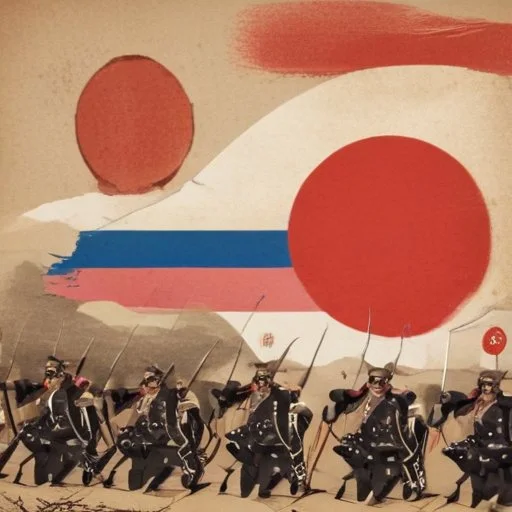
In the late 19th and early 20th centuries, Korea found itself in a precarious position, caught in the midst of a global power struggle. The country's independence was precarious, with China, Japan, and Russia vying for influence. Japan, having recently emerged from centuries of isolation, was eager to expand its empire and secure resources. Korea, with its strategic location and natural resources, was an attractive prize.
Terauchi Masatake, the Japanese Resident-General of Korea, played a crucial role in orchestrating the Japan-Korea Treaty. A seasoned diplomat and military officer, Terauchi was tasked with expanding Japanese influence in Korea. Through a combination of coercion, manipulation, and strategic alliances, he successfully pushed for the treaty's signing, cementing Japan's grip on Korea.
The Japan-Korea Treaty of 1910 consisted of 12 articles, outlining the terms of Korea's annexation. Key provisions included:
The Japan-Korea Treaty of 1910 had far-reaching consequences for Korean culture and society. Japanese rule led to:
The Japan-Korea Treaty of 1910 was met with widespread resistance and resentment from the Korean people. Many viewed the treaty as a betrayal, with Emperor Sunjong being coerced into signing. The treaty's signing and the subsequent period of Japanese rule remain a contentious issue, with many Koreans still grappling with the legacy of colonialism today.
The Japan-Korea Treaty of 1910 would remain in effect until Japan's defeat in World War II in 1945. The end of Japanese rule marked the beginning of a new era for Korea, as the nation embarked on a journey of self-discovery and rebuilding. Today, the treaty serves as a poignant reminder of the importance of national sovereignty and the need for vigilance in the face of external pressures.
The road to annexation was paved with a series of earlier agreements that eroded Korea's sovereignty. The Japan-Korea Treaty of 1876, also known as the Ganghwa Treaty, marked the beginning of Japan's expansion into Korea. This treaty, forced upon Korea by Japan, opened up Korean ports to Japanese trade and commerce, setting the stage for further Japanese encroachment.
In the following decades, Japan continued to exert its influence over Korea, culminating in the Japan-Korea Agreement of 1904, which effectively made Korea a Japanese protectorate. This agreement granted Japan control over Korea's foreign policy and telegraph services, further limiting Korea's independence.
The Japan-Korea Treaty of 1910 was the culmination of these earlier agreements, formally annexing Korea to Japan and cementing Japan's grip on the peninsula.

Terauchi Masatake, the Japanese Resident-General of Korea, was a complex figure with a multifaceted legacy. Born in 1852, Terauchi rose through the ranks of the Japanese military, playing a key role in the country's modernization.
As Resident-General, Terauchi employed a combination of charm and coercion to achieve Japan's goals in Korea. While he was instrumental in orchestrating the Japan-Korea Treaty of 1910, he also worked to develop Korea's infrastructure, introducing modern transportation systems and communications networks.
Despite his significant role in shaping Korea's history, Terauchi remains a controversial figure, with many Koreans viewing him as a symbol of Japanese imperialism.
The Japan-Korea Treaty of 1910 had a profound impact on Korean culture, as Japan sought to erase Korean identity and impose its own customs and traditions.
The Korean language, considered a hallmark of national identity, was banned from schools and government institutions, replaced by Japanese. Korean names were also changed to conform to Japanese naming conventions, further eroding Korean cultural heritage.
In addition, Japan introduced its own educational system, emphasizing Japanese history, language, and culture. This imposed cultural shift had a lasting impact on Korean society, contributing to a loss of national identity and a sense of cultural dislocation.

The Japan-Korea Treaty of 1910 must be viewed within the broader context of global geopolitics.
In the early 20th century, European powers such as Britain, France, and Germany were vying for influence in Asia, while Japan sought to expand its empire and secure resources. The treaty, in part, was a response to these rival imperial powers, as Japan sought to consolidate its influence in Korea and bolster its position in the region.
The treaty also reflected Japan's growing sense of nationalism and expansionism, as the country sought to assert its dominance in East Asia.
The Japan-Korea Treaty of 1910 was signed on August 29, 1910, at the Japanese Governor-General's Office in Seoul. The treaty document itself is a significant artifact of this period, offering insight into the mindset of Japan's leaders at the time.
The treaty's text reveals Japan's intention to assimilate Korea into its empire, with provisions for the harmonization of Korean laws and institutions with those of Japan. The document also includes the signatures of key Japanese officials, including Terauchi Masatake, as well as a seal bearing the Japanese Imperial crest.
Today, the treaty document is preserved at the Japanese Foreign Ministry's archives, serving as a poignant reminder of this pivotal moment in Korean history.