


On a chilly winter morning, January 20, 1961, John F. Kennedy stood on the steps of the Capitol Building, marking a monumental moment in American history. At just 43 years old, he became the youngest person to be elected as the President of the United States, shattering a century-old glass ceiling as the first Catholic to hold the office.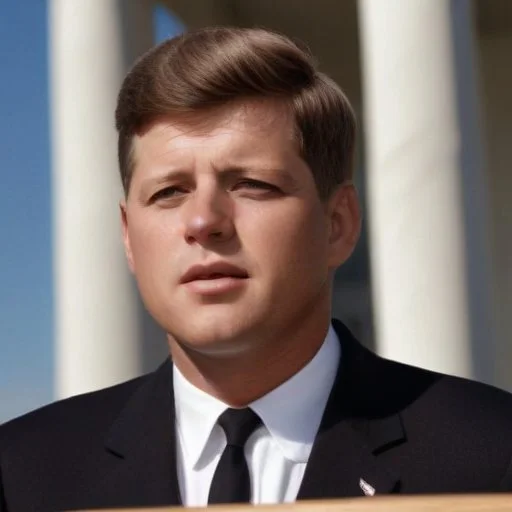
Kennedy's inauguration not only signified a new era of politics but also marked a significant cultural shift. His election broke down long-standing religious and age barriers, paving the way for a more diverse and inclusive America. As the first Catholic President, Kennedy's election demonstrated that religious affiliation was no longer a hindrance to holding the highest office in the land.
Kennedy's inaugural address, delivered on that cold winter day, has become an iconic moment in American history. In his speech, he famously declared, "Ask not what your country can do for you, ask what you can do for your country." This call to action resonated with a generation of Americans, inspiring them to become actively involved in shaping the destiny of their nation.
Kennedy's presidency was marked by his commitment to the welfare of the American people. He advocated for civil rights, promoted economic growth, and navigated the country through the tumultuous years of the Cold War. His leadership style, characterized by charisma, charm, and a strong sense of empathy, earned him the admiration and trust of the American people.
Kennedy's presidency, though tragically cut short by his assassination in 1963, left an indelible mark on American politics and society. His commitment to public service, his passion for civil rights, and his leadership during times of crisis continue to inspire generations of Americans. Today, John F. Kennedy remains an enduring symbol of hope, courage, and leadership.
Kennedy's presidency set the stage for significant social and political changes in the decades that followed. His commitment to civil rights paved the way for landmark legislation, such as the Civil Rights Act of 1964 and the Voting Rights Act of 1965. His leadership during the Cuban Missile Crisis helped to avert a nuclear war, and his advocacy for space exploration led to the United States' triumph in the Apollo 11 moon landing.
Kennedy's life and presidency continue to inspire Americans to this day. His courage, charisma, and commitment to public service serve as a beacon of hope for generations of leaders and citizens alike.
Jacqueline Kennedy, the wife of John F. Kennedy, played a significant role in his presidential campaign and later as the First Lady of the United States. Born into a wealthy family, Jacqueline was known for her elegance, poise, and intelligence. She was a fashion icon and a patron of the arts, and her love for history and culture was instrumental in the restoration of the White House.
Jacqueline's strong sense of empathy and compassion earned her the respect and admiration of the American people. She was a supportive partner to John, and her presence by his side during the inauguration and many other public events added to his charm and charisma.
As the First Lady, Jacqueline used her platform to promote education, culture, and women's empowerment. She was a devoted mother to their two children, Caroline and John Jr., and her dedication to her family was evident in the many sacrifices she made for her husband's political career.

The Kennedys brought a new level of sophistication and glamour to the White House, and their style and charm captivated the American people. John's good looks, charisma, and charm, combined with Jacqueline's elegance and poise, made them a formidable team.
Their cultural impact extended beyond politics, influencing the way Americans dressed, behaved, and interacted. The Kennedys' love for art, literature, and music added to the cultural landscape of America, and their support for the arts helped to foster a new era of creativity and innovation.
Their style, both in fashion and in politics, was characterized by a sense of optimism, energy, and promise. The Kennedys embodied the spirit of a new generation, and their cultural impact continues to be felt to this day.
John F. Kennedy's leadership style was marked by a unique blend of charm, charisma, and intellect. He was a master orator, able to inspire and motivate the American people with his words.
Kennedy's leadership style was also characterized by his ability to build coalitions and consensus. He was a skilled politician who knew how to work with Congress and other stakeholders to achieve his goals.
His commitment to public service and his passion for civil rights earned him the respect and admiration of many Americans. Kennedy's leadership style was inclusive, and he inspired a new generation of Americans to become involved in politics and public service.
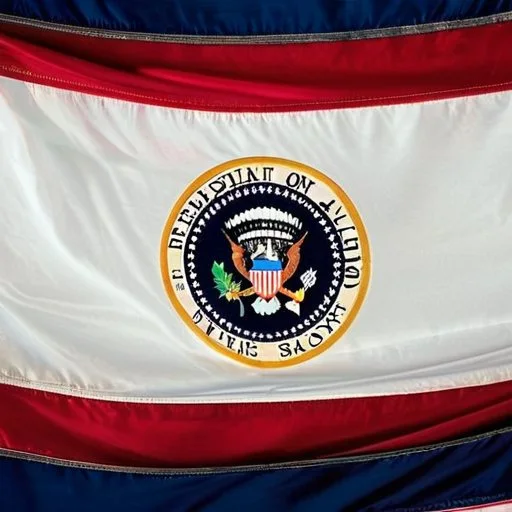
Historians have long debated the significance and impact of John F. Kennedy's presidency. While some have hailed him as a hero and a champion of civil rights, others have been more critical, pointing out the limitations and failures of his presidency.
Revisionist historians have challenged the traditional view of Kennedy's presidency, arguing that he was more pragmatic and less idealistic than previously thought. They point out that his civil rights record was mixed, and that he was often slow to act in the face of crisis.
Despite these criticisms, Kennedy's presidency remains an important turning point in American history, marking a shift towards a more liberal and progressive era.
John F. Kennedy's economic policies were aimed at stimulating economic growth and reducing unemployment. He implemented a series of measures, including tax cuts and increased government spending, to boost the economy.
Kennedy's economic policies were influenced by the ideas of John Maynard Keynes, who advocated for government intervention in the economy. Kennedy's policies helped to spur economic growth, and his leadership during the Cuban Missile Crisis helped to avert a potential economic disaster.
While Kennedy's economic policies were not without their criticisms, they helped to set the stage for the economic boom of the 1960s and paved the way for future economic reforms.