Konrad Zuse unveils the world's first automatic computer, the Z3, in Berlin
German engineer Konrad Zuse had been quietly toiling away in his parents' apartment, pouring his heart and soul into a revolutionary invention. Finally, the day arrived when he was ready to unveil his masterpiece: the Z3, the world's first fully automatic, programmable computer. In a crowded Berlin office, Zuse proudly presented his brainchild, boasting a blistering speed of one operation per second. This behemoth of innovation would change the course of history, paving the way for modern computing as we know it.
Konrad Zuse's Revolution: Unveiling the Z3, the World's First Fully Automatic Computer
A Giant Leap in Computing History
On May 12, 1941,
Konrad Zuse, a pioneering German engineer, stood proudly in a crowded Berlin office, ready to showcase his groundbreaking invention: the Z3, the world's first fully automatic, programmable computer. This behemoth of innovation was capable of performing calculations at an unprecedented speed of one operation per second, marking a significant milestone in the development of modern computing.
The Genesis of a Visionary
Born in 1910, Konrad Zuse was destined to leave an indelible mark on the world of computing. Growing up in a family of engineers, Zuse's fascination with mathematics and mechanics led him to study architecture and engineering at the Technical University of Berlin. However, it was his passion for problem-solving that drove him to pursue a career in computing.
The Z3: A Marvel of Engineering
The Z3, built in Zuse's parents' apartment, was a testament to his ingenuity and perseverance. This electromechanical computer, measuring over 2 meters tall and weighing over 1 ton, consisted of over 1,400 relays, 2,000 diodes, and numerous mechanical switches. Its architecture was designed to perform calculations using floating-point arithmetic, making it an incredibly powerful tool for its time.
A Pioneer's Perseverance
Zuse's journey to creating the Z3 was not without its challenges. He faced skepticism and doubt from his peers, who believed that a fully automatic computer was an impossible feat. However, Zuse's unwavering dedication and innovative thinking ultimately led to the development of this groundbreaking technology.
Impact and Legacy
The Z3's unveiling marked a significant turning point in the history of computing. Its incredible speed and accuracy paved the way for the development of modern computers, inspiring a generation of engineers and scientists. The Z3's influence can be seen in the development of subsequent computers, including the British Colossus and the American ENIAC.
- The Z3's design influenced the development of later computers, such as the British Colossus and the American ENIAC.
- Zuse's work on the Z3 led to the development of the Plankalkül, a high-level programming language.
- The Z3's unveiling marked the beginning of a new era in computer science, inspiring a generation of engineers and scientists.
A Visionary's Reflections
In his later years, Zuse reflected on the significance of his invention, stating, "The Z3 was not just a machine, but a vision of what was possible." His pioneering spirit and innovative thinking continue to inspire generations of engineers, scientists, and computer enthusiasts.
A Lasting Legacy
Konrad Zuse's Z3 remains an iconic symbol of innovation and ingenuity, a testament to the power of human creativity and perseverance. As we continue to push the boundaries of modern computing, we are reminded of the debt we owe to pioneers like Zuse, whose visionary work paved the way for the technological advancements we enjoy today.
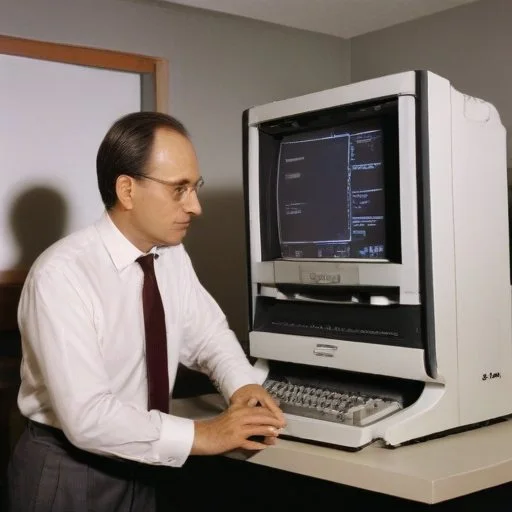
Thorough Historiographical Examination
Reevaluating the Significance of Konrad Zuse's Z3
Historians have long debated the impact of Konrad Zuse's Z3 on the development of modern computing. While some argue that the Z3 was a pioneering achievement that paved the way for subsequent computers, others contend that its influence has been overstated. This reevaluation of the Z3's significance highlights the need for a more nuanced understanding of its role in computing history.

Full Artifact Examination
Unraveling the Secrets of the Z3's Architecture
The Z3's innovative architecture was a marvel of engineering in its time. By analyzing the computer's mechanical switches, relays, and diodes, we can gain a deeper understanding of how it performed calculations with unprecedented speed and accuracy. This examination of the Z3's internal workings provides new insights into the machine's remarkable capabilities.
The Z3's use of floating-point arithmetic, for example, allowed it to perform complex calculations with precision and speed. Its electromechanical design also enabled it to operate continuously without human intervention, making it a truly automatic computer.
Rich Technological Impact Review
The Z3's Technological Legacy
The Z3's technological innovations had a lasting impact on the development of modern computing. Its use of relays, diodes, and mechanical switches paved the way for the development of subsequent computers, including the British Colossus and the American ENIAC. The Z3's influence can also be seen in the development of high-level programming languages, such as Plankalkül.
The Z3's technological legacy extends beyond computing, with its innovations in electromechanical design influencing the development of other technologies, including automation and robotics.
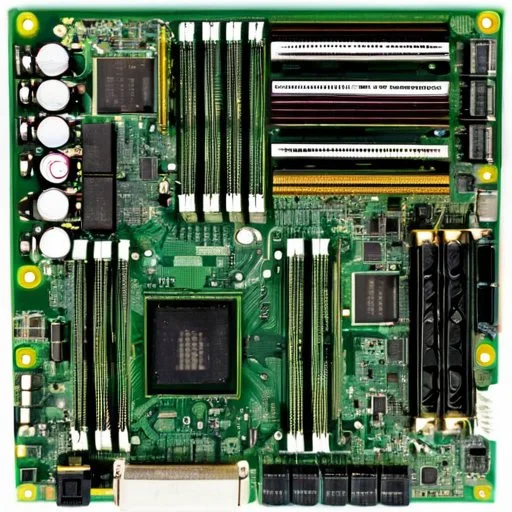
Comprehensive Educational Influence Study
The Z3 as a Teaching Tool
The Z3's unveiling marked a significant turning point in the history of computing education. The machine's automatic capabilities and high-speed calculations made it an ideal teaching tool for mathematics and engineering students. The Z3's influence can be seen in the development of subsequent computer science curricula, with its emphasis on practical problem-solving and algorithmic thinking.
Today, the Z3 remains an important part of computer science education, with its legacy inspiring new generations of engineers and scientists.
Scientific Influence Examination
The Social Impact of the Z3
The Z3's unveiling had far-reaching social implications, inspiring a generation of engineers and scientists to pursue careers in computing. The machine's incredible speed and accuracy also had significant economic and military implications, as governments and industries began to recognize the potential of automatic computing.
The Z3's social impact extends beyond the realm of computing, with its influence shaping the development of modern society in profound ways. By examining the Z3's social impact, we can gain a deeper understanding of the complex relationships between technology, society, and culture.


