


On July 13, 1985, the music world came together in a monumental display of charity and solidarity, staging a dual-venue benefit concert in London and Philadelphia, with simultaneous events in Moscow and Sydney. This iconic event, known as Live Aid, raised funds for Ethiopian famine relief, broadcasting live to an estimated global audience of 1.5 billion people.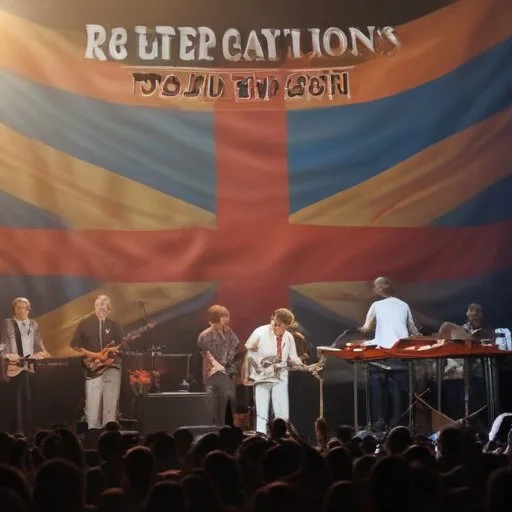
Live Aid was the brainchild of Bob Geldof, the Irish musician and activist, who was inspired by a BBC news report on the devastating Ethiopian famine. Geldof, along with Midge Ure, co-writer of the charity single "Do They Know It's Christmas?", envisioned a concert that would bring together the world's top musicians to raise awareness and funds for the crisis.
The London leg of Live Aid, held at Wembley Stadium, boasted an impressive lineup of iconic acts, including:
Meanwhile, in Philadelphia's John F. Kennedy Stadium, a separate bill featured:
Live Aid was more than just a concert – it was a cultural phenomenon that transcended borders and time zones. The Moscow and Sydney legs of the event featured local acts, further emphasizing the global scope of the initiative. As the world watched, united in a shared sense of purpose, the boundaries of language, nationality, and genre melted away.
Live Aid's influence extends far beyond the $125 million raised for Ethiopian famine relief. The event:
As the years have passed, Live Aid's message of unity and compassion has only grown more resonant. In the face of global challenges and social injustices, the event serves as a beacon of hope, reminding us of the transformative power of music and collective action.
In the words of Bob Geldof, "Live Aid was a moment when the world came together, and it showed us that we could make a difference."
Live Aid's cultural impact extended beyond the music world, influencing the broader cultural landscape. The event's use of satellite link-ups and live broadcasts helped to shrink the global distance, creating a sense of unity and shared experience. This phenomenon was reflected in the fashion of the time, with the iconic Live Aid t-shirt becoming a symbol of solidarity and social awareness.
The event also had a significant impact on the music industry, paving the way for future charity concerts and music-based fundraising initiatives. Live Aid's legacy can be seen in the numerous charity singles and albums that followed, including the iconic "We Are the World" single, which was inspired by Live Aid's success.
In addition, Live Aid helped to popularize the concept of celebrity activism, with many artists using their platform to raise awareness about social and political issues. This trend has continued to this day, with many celebrities using their influence to support various causes and charitable initiatives.
As the mastermind behind Live Aid, Bob Geldof's vision and determination were instrumental in bringing the event to life. A musician and activist, Geldof was driven by a sense of social responsibility and a desire to make a difference.
"I was watching this news report on the BBC, and it just struck me - this was it, this was the moment. I knew I had to do something," Geldof recalled in a 2005 interview.
Geldof's tireless efforts, along with those of Midge Ure, helped to recruit some of the biggest names in music to perform at Live Aid. His passion and conviction inspired a generation of artists to use their platform for good, cementing his status as a trailblazer in the world of charity events.
The Live Aid stage, designed by architect Mark Fisher, was a masterpiece of logistical and creative planning. The dual-venue setup, with simultaneous events in London and Philadelphia, presented a unique challenge that Fisher and his team overcame with ease.
The iconic stage design, featuring a massive video wall and a sprawling catwalk, became an integral part of the Live Aid aesthetic. The stage itself was adorned with a giant "Live Aid" logo, which has since become synonymous with the event.
The Live Aid stage has been immortalized in popular culture, featuring prominently in documentaries, films, and music videos. It remains an enduring symbol of the unifying power of music and the collective spirit of humanity.
The roots of Live Aid can be traced back to the early 1980s, when a devastating famine struck Ethiopia. The crisis, exacerbated by civil war and drought, led to widespread poverty, starvation, and displacement.
In response, a group of concerned musicians, led by Bob Geldof and Midge Ure, came together to raise awareness and funds for the crisis. The result was "Do They Know It's Christmas?", a charity single that became a surprise hit and sparked the idea for Live Aid.
The success of "Do They Know It's Christmas?" galvanized the music community, inspiring a wave of charity singles and albums. Live Aid was the culmination of this movement, bringing together some of the biggest names in music to stage a monumental display of solidarity and compassion.
Live Aid's economic impact was profound, with the event raising an estimated $125 million for Ethiopian famine relief. The concert's dual-venue setup and global broadcast helped to generate a staggering $150 million in donations and merchandise sales.
The event's financial success was accompanied by a significant boost to the music industry, with album sales and concert ticket revenues experiencing a marked increase in the months following Live Aid. The event's influence can be seen in the many charity concerts and music-based fundraising initiatives that have since become a staple of the music industry.
In addition, Live Aid helped to stimulate economic growth in the regions affected by the famine, providing much-needed aid and support to local communities.