


On October 27, 1962, Major Rudolf Anderson of the United States Air Force became the only direct human casualty of the Cuban Missile Crisis when his U-2 reconnaissance airplane was shot down over Cuba by a Soviet-supplied surface-to-air missile. This pivotal moment marked a grave turning point in the Cold War, as the world teetered on the brink of nuclear war.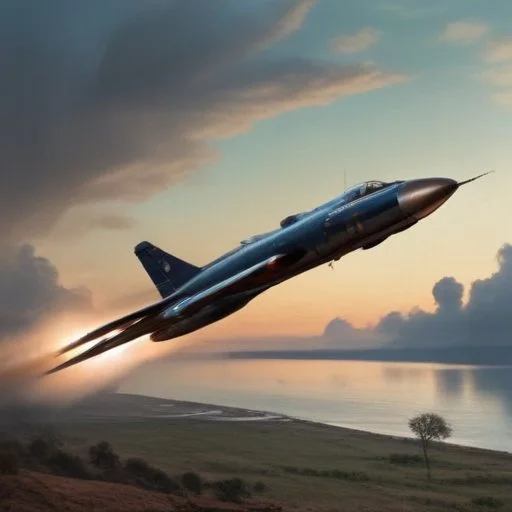
Born on September 15, 1927, in Greenville, South Carolina, Rudolf Anderson was a decorated fighter pilot with a passion for flying. He earned his wings in 1951 and went on to serve in the United States Air Force, earning numerous commendations for his bravery and skill.
On that fateful day, Anderson's U-2 reconnaissance plane soared over Cuba, capturing crucial intelligence on Soviet missile sites. The mission was part of Operation Blue Moon, a U.S. reconnaissance program aimed at monitoring Soviet military activities in Cuba. Little did Anderson know, his aircraft was being tracked by Soviet radar, and a SAM (Surface-to-Air Missile) site was locked onto his plane.
At approximately 10:22 am, Anderson's U-2 was struck by an S-75 Dvina surface-to-air missile, causing the plane to disintegrate in mid-air. The incident marked the first time a U-2 had been shot down, and the first direct human casualty of the Cuban Missile Crisis. The sudden loss of Anderson's life sent shockwaves through the military and the nation, heightening tensions between the United States and the Soviet Union.
The downing of Anderson's plane sparked a chain reaction of events, leading to a U.S. Navy quarantine of Cuba and a Soviet withdrawal of missile sites. On October 28, 1962, after a series of tense negotiations, Soviet Premier Nikita Khrushchev agreed to dismantle the missile sites in exchange for a U.S. promise not to invade Cuba.
Major Rudolf Anderson's sacrifice will forever be remembered as a pivotal moment in the Cuban Missile Crisis. His bravery and ultimate sacrifice helped to prevent a nuclear war, paving the way for a more diplomatic approach to international relations. Anderson's legacy extends beyond his military service; his courageous act inspired generations of Americans to serve their country with honor and distinction.
"Major Anderson's sacrifice will be remembered for generations to come. His bravery and dedication to his country are an inspiration to us all." - President John F. Kennedy
The legacy of Major Rudolf Anderson serves as a poignant reminder of the human cost of war and the importance of diplomacy in international relations. May his bravery and sacrifice continue to inspire future generations to strive for peace and understanding.
The Cuban Missile Crisis was a critical moment in the Cold War, with the world teetering on the brink of nuclear war. The event was shaped by a complex web of geopolitical factors, including the rise of communism in Cuba, the failed Bay of Pigs invasion, and the Soviet Union's determination to establish a military presence in the Western Hemisphere.
In the aftermath of World War II, the United States and the Soviet Union had emerged as rival superpowers, each with its own sphere of influence. The Soviet Union saw the establishment of a communist government in Cuba as an opportunity to expand its influence in the Western Hemisphere, while the United States viewed it as a threat to its national security.
The Soviet Union's decision to deploy nuclear missiles in Cuba was a bold move that challenged the United States' claim to military superiority. The Cuban Missile Crisis was a watershed moment in the Cold War, marking a turning point in the balance of power between the two superpowers.
Rudolf Anderson's early life was marked by a passion for flying. Born in Greenville, South Carolina, he grew up in a family that encouraged his love of aviation. After completing his education, Anderson enlisted in the United States Air Force, where he earned his wings in 1951.
Anderson's military career was marked by bravery and distinction. He flew combat missions in Korea and later became a test pilot, earning a reputation as a skilled and fearless aviator. His selection for the U-2 reconnaissance program was a testament to his exceptional flying skills and his ability to operate under extreme pressure.
The Cuban Missile Crisis marked a critical moment in the development of American foreign policy. The event forced the United States to re-examine its approach to dealing with communist regimes and to develop new strategies for managing the threat of nuclear war.
The Crisis also led to a significant shift in the balance of power within the Kennedy administration. The event marked a turning point in the presidency of John F. Kennedy, who emerged as a strong and decisive leader in the face of crisis.
The Cuban Missile Crisis had significant economic implications for both the United States and the Soviet Union. The event led to a surge in military spending, as both countries sought to bolster their defenses and deter further aggression.
The Crisis also had a profound impact on international trade, as the United States imposed a naval quarantine on Cuba and the Soviet Union responded with a embargo on American goods. The event highlighted the importance of economic cooperation in reducing the risk of conflict and promoting global stability.
The Cuban Missile Crisis was a pivotal moment in the development of military technology. The event marked the first use of surface-to-air missiles (SAMs) to shoot down an enemy aircraft, and it highlighted the importance of aerial reconnaissance in modern warfare.
The Crisis also accelerated the development of new military technologies, including satellite reconnaissance and anti-ballistic missile systems. The event marked a turning point in the arms race, as both the United States and the Soviet Union sought to develop new technologies to gain a strategic advantage.