


The Marco Polo Bridge Incident is infamously known for being the catalyst that sparked the Second Sino-Japanese War, a devastating conflict that lasted for eight years and claimed millions of lives. This incident, also referred to as the Lugou Bridge Incident, marked a significant turning point in the history of China and Japan, forever altering the course of their relations.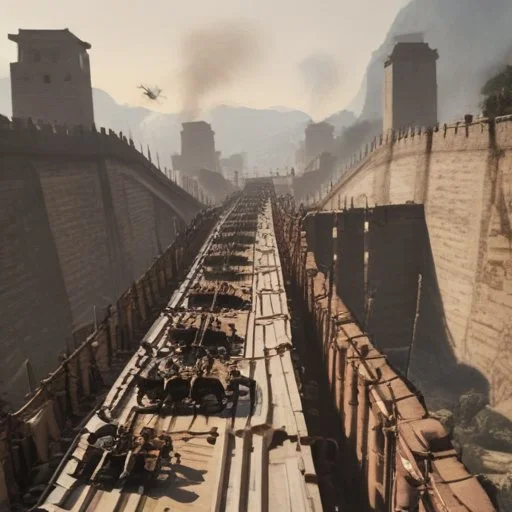
In the 1930s, China was plagued by internal strife, with the Communist Party and the Nationalist Party vying for power. Meanwhile, Japan, fueled by its expansionist ambitions, sought to increase its influence in East Asia. The Japanese government, led by the militarist faction, had long coveted the resource-rich territories of northern China, and the Marco Polo Bridge Incident provided the perfect pretext for invasion.
On the night of July 7, 1937, a Japanese soldier went missing during military exercises near the Marco Polo Bridge, also known as the Lugou Bridge, in Beijing. The Japanese authorities accused the Chinese of kidnapping the soldier, and demanded that the Chinese government apologize and provide compensation. The Chinese, however, denied any involvement in the incident.
Tensions escalated as Japanese troops surrounded the bridge, and on July 8, 1937, shots were fired, marking the beginning of the Second Sino-Japanese War. The Japanese, convinced of their military superiority, poured troops into China, and the conflict soon spread beyond the Beijing region.
The Marco Polo Bridge Incident led to a devastating war that lasted for eight years, resulting in:
The Marco Polo Bridge Incident had a profound impact on the cultural and social fabric of China and Japan. The war led to:
Historians have long debated the circumstances surrounding the Marco Polo Bridge Incident, with some arguing that it was a deliberate provocation by the Japanese military, while others contend that it was a genuine misunderstanding. Recent research has shed new light on the events, suggesting that the Japanese government may have intentionally escalated the situation to provide a pretext for invasion.
Furthermore, some historians have posited that the Marco Polo Bridge Incident was not an isolated event, but rather part of a larger pattern of Japanese aggression in the region. This perspective highlights the importance of considering the broader geopolitical context in which the incident occurred.
Reevaluating the EvidenceNewly discovered documents and testimony from participants have led some historians to reevaluate the traditional narrative of the incident. These sources suggest that the Japanese military may have been more culpable than previously thought, and that the Chinese government was caught off guard by the sudden escalation of violence.
Kanji Ishihara, the Japanese general and chief of the Operations Bureau of the Imperial Japanese Army, played a crucial role in planning the invasion of China. Born in 1889, Ishihara was a brilliant strategist who rose through the ranks of the Japanese military with ease. However, his vision for a Greater East Asia Co-Prosperity Sphere, which argued for the domination of East Asia by Japan, ultimately led to devastating consequences.
Ishihara's role in the Marco Polo Bridge Incident is still shrouded in controversy. Some historians portray him as a calculating leader who deliberately provoked the Chinese into conflict, while others see him as a patriotic officer who genuinely believed in the righteousness of Japan's cause.
Ishihara's LegacyToday, Ishihara remains a controversial figure, with some hailing him as a visionary and others condemning him as a war criminal. His legacy serves as a reminder of the dangers of unchecked nationalism and militarism.
The Marco Polo Bridge Incident had a profound impact on the cultural fabric of China and Japan. In China, the incident sparked a surge in nationalism and anti-Japanese sentiment, with many artists and writers using their work to express outrage and resistance.
In Japan, the incident fueled a growing sense of militarism and aggression, with many artists and intellectuals propagating the ideology of the Greater East Asia Co-Prosperity Sphere.
The Power of PropagandaThe incident also marked the beginning of a propaganda war, with both sides using media and art to sway public opinion and demonize their enemies. The Marco Polo Bridge Incident thus highlights the importance of critical media literacy in times of conflict.
The Marco Polo Bridge Incident occurred at a time of great global turmoil, with the rise of fascist and nationalist ideologies in Europe and Asia. The Japanese government, led by the militarist faction, saw the incident as an opportunity to expand its empire and secure vital resources.
The incident also took place against the backdrop of the ongoing Second Sino-Japanese War, which had begun in 1931 with the Japanese invasion of Manchuria. The Marco Polo Bridge Incident marked a significant escalation of the conflict, drawing in new belligerents and setting the stage for a wider war.
A Global CrisisThe Marco Polo Bridge Incident thus highlights the interconnectedness of global events, demonstrating how a seemingly isolated incident can have far-reaching consequences for international relations and global stability.
The Marco Polo Bridge Incident marked the beginning of a devastating conflict that would have far-reaching economic consequences for both China and Japan. The war disrupted trade, destroyed infrastructure, and led to a massive influx of refugees.
The Japanese occupation of China's resource-rich regions, including the provinces of Shandong and Jiangsu, provided a significant economic boost to Japan's military-industrial complex. However, it also led to widespread human suffering and economic devastation in the occupied territories.
Rebuilding the EconomyIn the aftermath of the war, both China and Japan faced the daunting task of rebuilding their shattered economies. The experience of the Marco Polo Bridge Incident served as a stark reminder of the devastating consequences of unchecked aggression and the importance of promoting peaceful economic development.