Mary, Queen of Scots, executed for plotting against Elizabeth I.
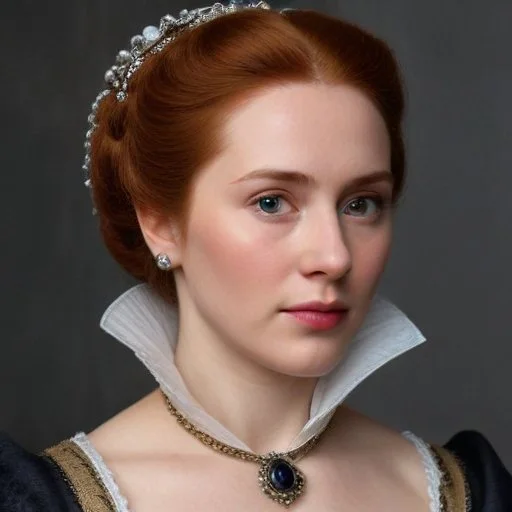
Mary, Queen of Scots, the once-beautiful and powerful ruler of Scotland, stood on the cold, dark platform, her fate sealed. She had been accused of plotting against her cousin, Queen Elizabeth I, the Virgin Queen of England, and the evidence against her was damning. The Babington Plot, a failed coup to overthrow Elizabeth, had been uncovered, and Mary's name was at the top of the list of conspirators. As she gazed out at the crowd, her eyes locked onto the executioner's block, her thoughts racing back to the events that had led her to this tragic end. The intrigue, the deceit, the politics - it was all too much to bear. And yet, as the executioner's axe fell, Mary's fate was sealed, marking the end of an era and cementing Elizabeth's reign as the supreme ruler of England.
The Fateful Fall of Mary, Queen of Scots
The Execution that Sealed her Fate
Mary, Queen of Scots, met her untimely demise on February 8, 1587, at Fotheringhay Castle in Northamptonshire, England. This poignant event is known for being the culmination of a treacherous plot to assassinate her cousin, Queen Elizabeth I, thereby earning Mary the notoriety of being the first monarch to be executed in British history.
Historical Background: A Tale of Two Queens
The intricate web of events leading up to Mary's execution began with her claim to the English throne. Mary, a Catholic, was next in line to the throne after Elizabeth, a Protestant. This led to a precarious situation, as Elizabeth viewed Mary as a threat to her power. In 1568, Mary fled Scotland and sought refuge in England, but instead of receiving aid, she was imprisoned for over 18 years.
The Babington Plot: A Fatal Twist
The Babington Plot, orchestrated by a group of young Catholic nobles, aimed to overthrow Elizabeth and install Mary as the new queen. The plotters, led by
Anthony Babington, corresponded with Mary through encrypted letters, which were eventually intercepted by Elizabeth's spies. Although Mary denied involvement, the evidence against her was damning, and she was put on trial in October 1586.
The Trial and Sentencing: A Foregone Conclusion
The trial, known for its bias and lack of due process, resulted in Mary's conviction. The prosecution presented fabricated evidence and coerced witnesses, while Mary's defense was hindered by her inability to cross-examine witnesses. On October 25, 1586, Mary was sentenced to death, and her fate was sealed.
The Execution: A Cold and Dark Platform
On February 8, 1587, Mary, dressed in a red petticoat, walked to the execution site, where a cold, dark platform awaited her. The executioner, Bull, beheaded Mary with three strikes of the axe, ending her reign and cementing Elizabeth's supremacy.
Major Outcomes and Impacts
- The execution of Mary, Queen of Scots, marked a significant turning point in English history, solidifying Elizabeth's reign and paving the way for the Tudor dynasty.
- The event also had a profound impact on Scottish politics, as it led to the eventual union of Scotland and England under a single crown.
- The execution served as a warning to potential plotters, demonstrating the ruthless determination of the English monarchy to maintain power.
Cultural and Social Influences
Mary's tragic demise has inspired numerous works of art, literature, and film, cementing her place in popular culture. From
Friedrich Schiller's play "Mary Stuart" to the 2018 film "Mary Queen of Scots," starring
Saoirse Ronan, Mary's story continues to captivate audiences.
Controversies and Public Perception
The execution of Mary, Queen of Scots, remains a contentious topic, with many questioning the fairness of her trial and the motives behind Elizabeth's actions. To this day, historians debate the extent of Mary's involvement in the Babington Plot, leaving her legacy shrouded in controversy.
Quotes and Memorable Sayings
- "In my end is my beginning." – Mary, Queen of Scots
- "If I had been a king, they would not have dared to do this to me." – Mary, Queen of Scots
A Lasting Legacy
Mary, Queen of Scots, may have met her demise on that cold, dark platform, but her story continues to captivate and inspire. Her tragic fall serves as a reminder of the intrigue, deceit, and politics that have shaped the course of history.
Rich Historical Interpretations
Historiographical Perspectives
The historiography of Mary, Queen of Scots' execution has evolved significantly over the centuries. Initially, accounts of the event were largely biased towards Elizabeth I's perspective, portraying Mary as a treacherous and power-hungry monarch. However, as historical records became more accessible and nuanced, scholars began to reevaluate Mary's role in the events leading up to her execution.
In recent years, historians have challenged the traditional narrative, arguing that Mary's involvement in the Babington Plot was likely exaggerated or even fabricated by Elizabeth's government. This shift in perspective has led to a more balanced understanding of the complex political landscape of 16th-century England.
Despite these advancements, controversy still surrounds the event, with some historians maintaining that Mary was indeed complicit in the plot, while others see her as an innocent victim of Elizabeth's paranoia. This ongoing debate highlights the complexities of historical interpretation and the need for continued research and analysis.

Character Study
Character Profile: Anthony Babington
Anthony Babington, a young Catholic nobleman, played a pivotal role in the plot to overthrow Queen Elizabeth I and install Mary, Queen of Scots, on the English throne. Born in 1561, Babington was a charismatic and well-connected figure, with ties to the powerful Catholic families of Europe.
Babington's motivations for orchestrating the plot were likely driven by his strong Catholic beliefs and a sense of duty to restore the Catholic faith in England. However, his actions ultimately proved to be reckless and misguided, leading to the downfall of Mary, Queen of Scots, and the implication of many innocent lives.
Despite his prominent role in the Babington Plot, little is known about Babington's personal life and personality. What is clear, however, is that his actions had far-reaching consequences, shaping the course of English history and cementing Mary's tragic fate.
Detailed Cultural Impact Report
Cultural Impact Study: The Enduring Legacy of Mary, Queen of Scots
Mary, Queen of Scots, has left an indelible mark on popular culture, inspiring countless works of art, literature, and film. From Friedrich Schiller's play "Mary Stuart" to modern adaptations like the 2018 film "Mary Queen of Scots," starring Saoirse Ronan, Mary's story continues to captivate audiences worldwide.
This enduring legacy can be attributed to Mary's complex and multifaceted character, which has proven to be a rich source of inspiration for creatives. Her tragic fall from grace, coupled with her courage and defiance in the face of adversity, has made her a timeless and relatable figure.
Beyond the realm of art and entertainment, Mary's legacy has also influenced Scottish and English identities, shaping national narratives and cultural heritage. Her story serves as a powerful reminder of the intricate web of politics, religion, and culture that has defined the course of human history.

Detailed Political Report
Political Analysis: The Power Struggle Behind Mary's Execution
The execution of Mary, Queen of Scots, was a calculated move by Queen Elizabeth I to consolidate her power and eliminate a potential rival. The event marked a significant turning point in English history, solidifying Elizabeth's reign and paving the way for the Tudor dynasty.
At its core, the conflict between Mary and Elizabeth was a struggle for dominance, with both queens vying for control of the English throne. Elizabeth, wary of Mary's claim to the throne and her Catholic sympathies, saw her cousin as a legitimate threat to her authority.
The execution also had far-reaching implications for Scotland, as it led to the eventual union of Scotland and England under a single crown. This union would have profound consequences for Scottish politics and identity, shaping the course of Scottish history for centuries to come.
Thorough Geopolitical Study
Geopolitical Context: The European Landscape in the Late 16th Century
The late 16th century was a time of great upheaval and instability in Europe, with religious and political tensions simmering across the continent. The Protestant Reformation had created deep divisions, pitting Catholic against Protestant, and European monarchies were vying for power and influence.
In this complex and volatile landscape, the execution of Mary, Queen of Scots, was a significant event with far-reaching implications. It marked a turning point in the struggle for power between Catholic and Protestant factions, and cemented England's position as a major player in European politics.
The event also had important consequences for Scotland, which was caught in the middle of the European power struggle. The eventual union of Scotland and England would have profound implications for Scottish politics, culture, and identity, shaping the course of Scottish history for centuries to come.


