


Mozambique's independence from Portugal on June 25, 1975, marked a triumphant milestone in the nation's history, bringing an end to nearly five centuries of colonial rule and oppression. This monumental achievement was the culmination of a long and arduous struggle, as the Mozambican people fought tirelessly for their right to self-determination and freedom.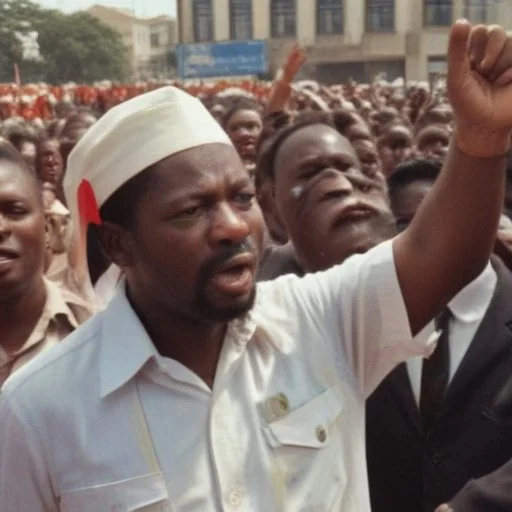
The roots of Mozambique's independence movement can be traced back to the early 20th century, when nationalist sentiments began to simmer among the indigenous population. The Portuguese colonization of Mozambique, which began in the 16th century, had led to the exploitation of the country's natural resources, cultural suppression, and economic marginalization of the Mozambican people.
In the 1960s, a new generation of Mozambican leaders, inspired by the ideals of pan-Africanism and socialism, emerged to challenge Portuguese rule. The Mozambican Liberation Front (FRELIMO), founded in 1964, would become the spearhead of the independence movement, led by charismatic figures such as Eduardo Mondlane, later succeeded by Samora Machel.
Samora Machel, FRELIMO's commander-in-chief, played a pivotal role in Mozambique's struggle for independence. A skilled military strategist and diplomat, Machel navigated the complex landscape of Cold War politics, securing crucial support from the Soviet Union and other socialist nations. His leadership and vision would shape Mozambique's post-independence trajectory.
Eduardo Mondlane, FRELIMO's founding president, was a towering figure in the early years of the independence movement. A Mozambican intellectual and anthropologist, Mondlane's assassination in 1969 was a major blow to the movement. However, his legacy continued to inspire and guide the fight for independence.
Mozambique's independence had far-reaching consequences, both domestically and internationally. The country embarked on a program of national reconstruction, seeking to overcome the legacy of colonialism and build a socialist society. The new government prioritized education, healthcare, and economic development, aiming to uplift the living standards of the Mozambican people.
On the global stage, Mozambique's independence deal a significant blow to Portugal's colonial empire, marking the end of an era of European domination in Africa. The country's alignment with socialist and non-aligned nations further solidified its position as a key player in regional and international politics.
Mozambique's independence had a profound impact on the country's cultural and social fabric. The new government actively promoted Mozambican culture, seeking to revive and celebrate the nation's rich heritage. The country's music, art, and literature flourished, reflecting the hopes and aspirations of a people finally free to express themselves.
The country's education system was overhauled, with a focus on promoting Mozambican history, language, and culture. The government also launched ambitious social programs, aimed at addressing the legacy of colonialism and promoting social equality.
Mozambique's independence was not without its challenges and controversies. The country's socialist-oriented government faced criticism from Western powers, who perceived it as a threat to their economic and strategic interests. Internally, the government's authoritarian tendencies and human rights abuses sparked concerns among Mozambicans and the international community.
Despite these challenges, Mozambique's independence remains a beacon of hope and inspiration for Africans and oppressed peoples around the world. The country's journey towards nation-building and self-determination continues to serve as a powerful symbol of resistance against colonialism and imperialism.
"The freedom of Mozambique is not just a Mozambican problem, but an African problem, a problem of humanity." - Samora Machel
"We will not tolerate any situation where our people are forced to live in poverty, hunger, and ignorance. We will fight to the last drop of our blood to ensure that our people enjoy the fruits of their labor." - Eduardo Mondlane
Mozambique's independence has left an indelible mark on African and world history. The country's struggle for freedom and self-determination inspired generations of Africans and oppressed peoples around the world, fueling anti-colonial and nationalist movements.
Today, Mozambique continues to face the challenges of nation-building and economic development, but its independence remains a powerful symbol of resistance against colonialism and imperialism. As the country looks to the future, it does so with a deep appreciation for its rich heritage and the sacrifices of those who fought for its freedom.
Mozambique's independence was a significant turning point in the African continent's decolonization process. The country's strategic location along the Indian Ocean and its rich natural resources made it a critical player in the Cold War era. The Portuguese colonization of Mozambique was seen as a symbol of European dominance, and its independence sent a strong message to other colonized nations that they too could fight for and achieve freedom.
The global reaction to Mozambique's independence was mixed. The Soviet Union and other socialist nations welcomed the new government, while Western powers viewed it with suspicion. The United States, in particular, saw Mozambique's independence as a threat to its interests in the region and responded with economic sanctions.
The impact of Mozambique's independence was felt beyond Africa. It inspired nationalist movements in other parts of the world, including Asia and Latin America. The country's alignment with socialist and non-aligned nations further solidified its position as a key player in regional and international politics.
Eduardo Mondlane: A Visionary Leader
Eduardo Mondlane was a Mozambican intellectual and anthropologist who played a crucial role in the country's struggle for independence. As the founding president of FRELIMO, Mondlane was instrumental in shaping the organization's ideology and strategy.
He was a charismatic leader who inspired a generation of Mozambicans to fight for their freedom.Mondlane's vision for an independent Mozambique was not limited to political freedom. He also sought to create a society that was socially and economically just, where all citizens had access to education, healthcare, and other basic necessities.
The Cultural Renaissance of Mozambique
Mozambique's independence sparked a cultural renaissance in the country. The new government actively promoted Mozambican culture, seeking to revive and celebrate the nation's rich heritage.
The government's efforts led to a flourishing of Mozambican art, music, and literature. The country's traditional dances, such as the mapiko, were revived, and new forms of music, such as marrabenta, emerged.
The government also encouraged the use of Mozambican languages, such as Shona and Makhuwa, in education and official business.
Historiographical Debates: Interpreting Mozambique's Independence
Historians have debated the significance and impact of Mozambique's independence. Some have viewed it as a triumph of African nationalism, while others have seen it as a Cold War-era phenomenon.
Revisionist historians have argued that Mozambique's independence was a result of a complex interplay of internal and external factors, including the Carnation Revolution in Portugal and the international pressure on the Portuguese government.
Others have criticized the FRELIMO government's authoritarian tendencies and human rights abuses, highlighting the need for a more nuanced understanding of Mozambique's independence.
The Politics of Nation-Building
Mozambique's independence presented a unique set of challenges for the new government. The country had to navigate the complexities of nation-building, including the creation of a new constitution, the establishment of a national government, and the rebuilding of the economy.
The FRELIMO government's socialist-oriented policies aimed to promote rapid modernization and industrialization. The government nationalized key sectors of the economy, including agriculture and mining.
The government's efforts were, however, hindered by the lack of resources, infrastructure, and skilled personnel. The country relied heavily on international aid and assistance, which often came with strings attached.