


Mrs. Wallis Simpson, the enigmatic American socialite, secured her divorce from her second husband, Ernest Simpson, on October 27, 1936, thereby paving the way for her marriage to King Edward VIII of the United Kingdom. This unprecedented union, however, would come at the cost of Edward's throne, igniting a constitutional crisis that would reshape the course of British history.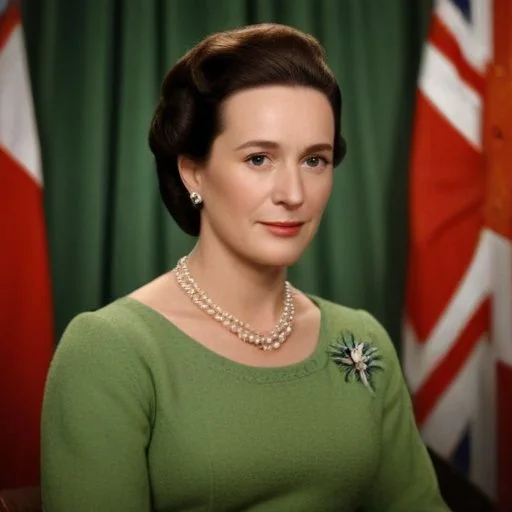
Wallis Simpson, born Bessie Wallis Warfield in 1896, had already navigated a complex web of relationships, having been divorced once before, when she met Edward, then the Prince of Wales, in 1931. Her wit, sophistication, and sense of style captivated the Prince, who was increasingly disillusioned with the rigidity of royal protocol.
The abdication of King Edward VIII marked a watershed moment in British history, with significant consequences for the monarchy and the nation at large.
The Abdication Crisis captivated the imagination of the British public, with the press playing a significant role in shaping public opinion.
The story of the King and his American mistress dominated newspaper headlines, with the British press taking a decidedly negative view of Wallis Simpson. The public, however, was more divided, with many sympathizing with the King's desire to marry the woman he loved.
"I have found it impossible to carry the heavy burden of responsibility and to discharge my duties as king as I would wish to do without the help and support of the woman I love."
—King Edward VIII, in his abdication speech, December 11, 1936
This poignant statement, broadcast to the nation, encapsulated the essence of the crisis, highlighting the King's sacrifice of duty for love.
The Abdication Crisis of 1936 finds echoes in other royal dramas throughout history, including the marriage of Princess Margaret to Peter Townsend, which, too, was opposed by the government and the Church of England.
These parallels underscore the ongoing struggle between the monarchy's obligation to uphold tradition and its desire to adapt to the changing times.
The Abdication Crisis of 1936 shares striking parallels with other royal dramas throughout history, underscoring the ongoing struggle between the monarchy's obligation to uphold tradition and its desire to adapt to the changing times.
One such example is the marriage of Princess Margaret to Peter Townsend, which, too, was opposed by the government and the Church of England. This parallel highlights the continued tension between the monarchy's duty to the state and its desire for personal happiness.
Another example is the marriage of Crown Prince Pavlos of Greece to Marie-Chantal Miller, an American commoner. This union, too, faced opposition from the Greek Orthodox Church and the Greek government, illustrating the enduring challenges faced by monarchies in balancing tradition with modernity.
These comparisons underscore the complexity of the Abdication Crisis, revealing that it was not an isolated incident, but rather part of a broader narrative of royal families navigating the demands of duty and desire.

Stanley Baldwin, the Prime Minister of the United Kingdom during the Abdication Crisis, played a crucial role in negotiating the terms of Edward's abdication.
Baldwin's approach to the crisis was marked by a commitment to upholding the British constitution and the monarchy's traditions. He firmly believed that the King's duty was to the state, rather than to personal desires.
Despite his strong stance, Baldwin was also a shrewd politician who recognized the need to find a solution that would appease both the King and the government. His behind-the-scenes negotiations with Edward and his advisors paved the way for the King's eventual abdication.
Baldwin's leadership during the crisis ultimately earned him praise from both sides, cementing his reputation as a skilled and pragmatic politician.
The Abdication Crisis was a media sensation, captivating the imagination of the British public and dominating newspaper headlines.
The press played a significant role in shaping public opinion, with many newspapers taking a decidedly negative view of Wallis Simpson. The Daily Mail, in particular, launched a virulent campaign against the American socialite, labeling her a "gold-digger" and a "homewrecker".
However, the public's response was more nuanced, with many sympathizing with the King's desire to marry the woman he loved. The crisis marked a turning point in the relationship between the monarchy and the media, highlighting the power of the press to shape public opinion and influence the course of events.

Historians have long debated the significance of the Abdication Crisis, with some viewing it as a watershed moment in British history and others seeing it as a minor constitutional crisis.
One school of thought holds that the crisis marked a significant shift in the British monarchy's role, paving the way for a more informal and approachable royal family. This perspective argues that the crisis forced the monarchy to adapt to changing social norms and values.
Others, however, view the crisis as a minor blip in the monarchy's long history, arguing that it was ultimately a personal crisis rather than a constitutional one. This perspective downplays the crisis's significance, seeing it as a fleeting moment of drama rather than a turning point in British history.
The Abdication Crisis unfolded against the backdrop of a tumultuous European political landscape, with the rise of fascist and nationalist movements in Germany, Italy, and Spain.
In this context, the crisis took on a new level of significance, as the British government and monarchy sought to navigate the complexities of international relations and maintain the country's position on the world stage.
The crisis also had implications for Britain's relationships with other European powers, as the government sought to reassure its allies that the monarchy's stability was not threatened by the King's abdication.