


On June 12, 1963, NAACP field secretary Medgar Evers was brutally murdered in front of his home in Jackson, Mississippi, by Ku Klux Klan member Byron De La Beckwith, marking a pivotal moment in the civil rights movement.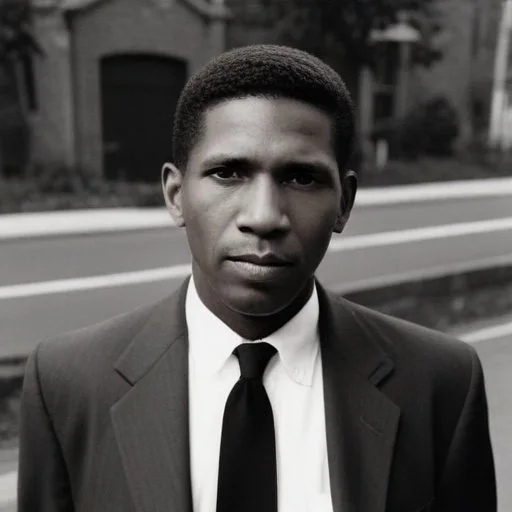
As Evers returned home from a late-night meeting, Beckwith lay in wait, fueled by hatred and intolerance. With a single bullet, Evers' life was tragically cut short, silencing a voice that had refused to be silenced.
The killing occurred during a tumultuous period in American history, with the civil rights movement gaining momentum in the early 1960s. Evers, a fearless advocate for racial equality, had been a prominent figure in the NAACP, working tirelessly to challenge segregation and discrimination in Mississippi.
The assassination of Medgar Evers had far-reaching consequences, galvanizing the civil rights movement and sparking widespread outrage and determination. His death led to increased activism and protests, culminating in the passage of the Civil Rights Act of 1964 and the Voting Rights Act of 1965.
Evers' legacy extends beyond his work in the civil rights movement. He inspired a generation of activists, including prominent figures such as Rosa Parks and Martin Luther King Jr. His story has been immortalized in literature, film, and music, ensuring his message of equality and justice continues to resonate today.
The investigation and trials surrounding Evers' murder were marred by controversy, with allegations of racism and corruption rampant. The case highlighted the deep-seated racial tensions and injustices of the time, further fueling public outrage and demands for change.
"You can kill a man, but you can't kill an idea."
- Medgar Evers, in a speech before his assassination
Medgar Evers' courage and determination in the face of overwhelming adversity continue to inspire generations. His story serves as a powerful reminder of the importance of standing up against injustice and fighting for what is right.
The assassination of Medgar Evers played a significant role in shaping the course of the civil rights movement, paving the way for future activists and leaders. His legacy continues to inspire and motivate, ensuring that the struggle for racial equality and social justice endures.
Medgar Evers was born on July 2, 1925, in Decatur, Mississippi, to a family of farmers. Growing up in a segregated society, Evers experienced firsthand the injustices of racism, which fueled his determination to fight for civil rights.
Evers' early life was marked by tragedy, including the death of his father and the loss of their family farm. Despite these challenges, he went on to attend Alcorn State University, where he became involved in the NAACP.
Throughout his life, Evers remained committed to his family and community, working tirelessly to challenge segregation and discrimination in Mississippi.

The assassination of Medgar Evers sent shockwaves through the nation, inspiring a new wave of activism and artistic expression.
Evers' story has been immortalized in literature, film, and music, including works such as Ebony Rising and Ghosts of Mississippi.
The cultural impact of Evers' assassination extends beyond the civil rights movement, influencing generations of artists, writers, and musicians.
The assassination of Medgar Evers had significant political implications, galvanizing public opinion and sparking widespread outrage.
The event led to increased pressure on lawmakers to pass civil rights legislation, culminating in the passage of the Civil Rights Act of 1964 and the Voting Rights Act of 1965.
Evers' assassination also highlighted the role of political violence in maintaining racial segregation, further fueling demands for reform and accountability.

In recent years, new evidence has come to light, shedding further light on the events surrounding Medgar Evers' assassination.
The discovery of previously unknown documents and testimonies has provided a more detailed understanding of the conspiracy behind Evers' murder.
These revelations have also sparked renewed calls for justice and accountability, underscoring the ongoing relevance of Evers' legacy.
Historians have long debated the significance of Medgar Evers' assassination, with some viewing it as a pivotal moment in the civil rights movement.
Others have argued that Evers' murder marked a turning point in the nation's consciousness, forcing Americans to confront the reality of racial violence and discrimination.
Despite these differing perspectives, historians agree that Evers' assassination remains a defining event in American history.