


On August 17, 1945, the novella Animal Farm by George Orwell was first published, marking a crucial milestone in literary history. This powerful allegory exposed the dark underbelly of totalitarianism, shedding light on the dangers of unchecked power and manipulation, and forever changing the literary landscape.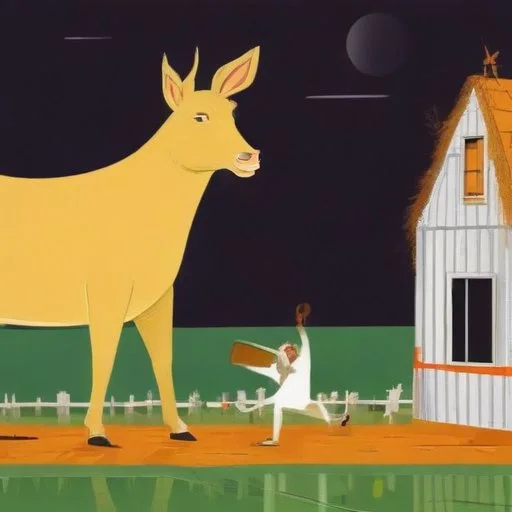
In the midst of World War II, Orwell's Animal Farm served as a scathing critique of Stalinist Russia, drawing parallels between the Soviet Union's tyrannical regime and the events unfolding on Manor Farm. This period of great turmoil provided the perfect catalyst for Orwell's witty and poignant satire.
Orwell's inspiration for Animal Farm stemmed from his own disillusionment with the Russian Revolution and the rise of Stalin's totalitarian regime. By using a barnyard setting, Orwell cleverly masked his critique of Soviet politics, creating a narrative both accessible and thought-provoking. The novella's central theme – the corrupting influence of absolute power – resonated deeply with readers, prompting a reevaluation of the Soviet Union's ideals.
Animal Farm solidified Orwell's reputation as a master of satire, cementing his position among the literary elite.
The novella's critical acclaim sparked a wider discussion on totalitarianism, Stalinism, and the dangers of unchecked power.
Orwell's work influenced a new generation of writers, inspiring satirical works that tackled complex social and political issues.
George Orwell: The British author, best known for his dystopian novel 1984, penned Animal Farm as a scathing critique of Stalinist Russia.
Fredric Warburg: The British publisher who took a chance on Orwell's novella, despite its controversial subject matter.
T.S. Eliot: The renowned poet and editor, who initially rejected Animal Farm due to its perceived anti-Soviet stance.
"All Animals are Equal" – The infamous phrase etched on the barn wall, serving as a haunting reminder of the animals' failed revolution.
Animal Farm's influence extends far beyond the literary world, permeating popular culture and sparking meaningful conversations about power, politics, and social inequality. The novella's themes have been referenced in film, television, and music, solidifying its status as a cultural touchstone.
Orwell's Animal Farm is often compared to Jonathan Swift's Gulliver's Travels, both works utilizing satire to critique the societal ills of their respective eras. The novella's exploration of totalitarianism also draws parallels with 1984, Orwell's own dystopian masterpiece.
Animal Farm's publication coincided with the dawn of the Cold War, marking a turning point in the international community's perception of totalitarian regimes. The novella's influence can be seen in the works of later authors, such as Kurt Vonnegut and Margaret Atwood, who have continued to explore the dangers of unchecked power in their own writing.
Animal Farm earned Orwell the prestigious Prometheus Hall of Fame Award in 2003, solidifying its status as a classic work of dystopian literature.
Orwell's original manuscript was rejected by multiple publishers due to its perceived anti-Soviet stance, highlighting the precarious nature of free speech during wartime.
Animal Farm has been translated into over 50 languages, cementing its position as a truly global literary phenomenon.
Seventy-five years after its initial publication, Animal Farm remains a potent warning against the dangers of totalitarianism and the corrupting influence of absolute power. This timeless allegory continues to resonate with readers, inspiring us to question authority and fight against the erosion of individual freedom.
Animal Farm's influence on popular culture is undeniable, with references to the novella appearing in films, TV shows, and music. The iconic phrase "All Animals are Equal" has been parodied and reimagined in various forms of media, from comedy sketches to protest slogans.
The novella's themes of rebellion and resistance have inspired countless works of art, including sculptures, paintings, and installations. The character of Napoleon, with his charismatic leadership and despotic tendencies, has become a cultural archetype, symbolizing the dangers of unchecked power.
The novella's impact on music is particularly noteworthy, with bands like The Rolling Stones and The Who referencing Animal Farm in their songs.
Historians have long debated the significance of Animal Farm as a historical event, with some viewing it as a scathing critique of Stalinist Russia, while others see it as a broader commentary on the dangers of totalitarianism.
Orwell's own experiences as a socialist and his disillusionment with the Russian Revolution have been cited as key influences on the novella's themes and message.
Many historians have noted the parallels between Animal Farm and Orwell's own life, particularly his experiences during the Spanish Civil War.
Fredric Warburg, the British publisher who took a chance on Animal Farm, played a crucial role in the novella's success. Warburg's bravery in publishing the controversial work despite its perceived anti-Soviet stance helped establish Orwell as a major literary force.
Warburg's own experiences as a socialist and his commitment to free speech made him the ideal publisher for Orwell's work.
Warburg's decision to publish Animal Farm was a testament to his belief in the power of literature to challenge societal norms and spark meaningful discussions.
Animal Farm is often compared to Jonathan Swift's Gulliver's Travels, another iconic work of satire that critiques the societal ills of its era.
Both works employ allegory to critique the excesses of power and the dangers of unchecked ambition.
The parallels between Swift's depiction of the totalitarian Lilliputians and Orwell's portrayal of the pigs on Manor Farm are particularly striking, highlighting the timeless nature of these themes.
The geopolitical context in which Animal Farm was published cannot be overstated. The novella's critique of Stalinist Russia came at a time when the Soviet Union was increasingly seen as a threat to global security.
The novella's publication coincided with the dawn of the Cold War, marking a turning point in the international community's perception of totalitarian regimes.
The geopolitical tensions of the time helped to amplify the novella's message, making it a cultural touchstone for generations to come.