


Olof Palme, the charismatic and visionary 26th Prime Minister of Sweden, was brutally assassinated on the streets of Stockholm on a chilly winter evening, leaving a nation in shock and disbelief. This senseless act of violence, perpetrated by a lone gunman, sent ripples across the country, forever etching February 28, 1986, as a day of infamy in Swedish history.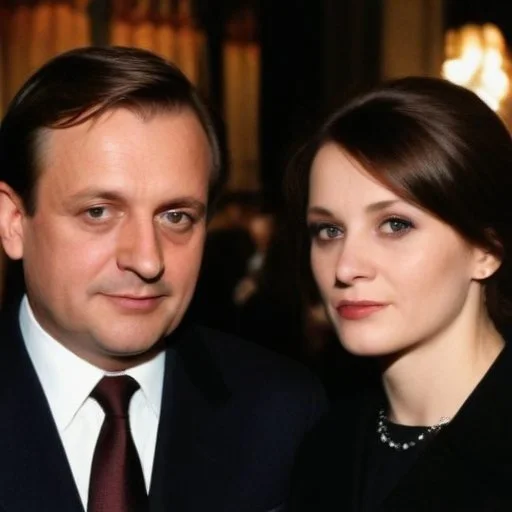
Olof Palme's tenure as Prime Minister, spanning two non-consecutive terms from 1969 to 1976 and 1982 to 1986, was marked by a series of progressive reforms and international diplomacy. He was a champion of social justice, advocating for workers' rights, women's empowerment, and environmental protection. His vocal criticism of imperialism, apartheid, and nuclear proliferation earned him both admiration and ire on the global stage.
The ensuing investigation, one of the largest and most complex in Swedish history, yielded numerous theories and suspects but no conclusive evidence. Theories abound, from a lone nut scenario to conspiracy theories involving domestic and foreign actors. Despite numerous leads and tips, the case remains unsolved, fueling continued speculation and debate.
Olof Palme's assassination sent shockwaves across Sweden, with widespread mourning, protests, and candlelight vigils. The event marked a turning point in Swedish politics, as the country grappled with the loss of its charismatic leader and the implications for its social and political fabric. The tragedy also led to increased security measures and a reassessment of the role of the Prime Minister in Swedish society.
Olof Palme's legacy continues to inspire and influence Swedish politics and society. He was posthumously awarded the Bruno Kreisky Prize for Outstanding Achievements in the Area of Human Rights and was recognized as one of the most important Swedish politicians of the 20th century. The Olof Palme International Center, established in 1992, promotes peace, human rights, and international solidarity, ensuring his vision and ideals continue to inspire future generations.
The 1980s were marked by heightened Cold War tensions, with the Soviet Union and the United States engaged in a proxy war in Afghanistan and a nuclear arms race. As a vocal critic of imperialism and nuclear proliferation, Olof Palme's assassination sent ripples across the global political landscape, sparking fears of Soviet involvement and a broader conspiracy.
In the years leading up to his death, Palme had become increasingly critical of Soviet actions in Poland and Afghanistan, which had led to strained relations with the Soviet Union. This, combined with his advocacy for disarmament and international cooperation, made him a target for those seeking to undermine Swedish neutrality.

Lisbet Palme, Olof's wife of 25 years, was not only a devoted partner but also a key witness to the assassination. Her bravery and composure in the face of tragedy were instrumental in helping investigators piece together the events of that fateful night.
A strong advocate for women's rights and social justice, Lisbet had been an integral part of Olof's political career, often accompanying him to official events and meetings. Her own political acumen and dedication to Olof's ideals made her an important figure in Swedish politics, both before and after his death.
In the aftermath of Olof Palme's assassination, Swedish musicians and artists responded with a wave of songs, albums, and poetry that reflected the nation's grief and outrage. The music became a powerful tool for processing and expressing emotions, with many artists using their platform to pay tribute to the fallen leader.
From protest songs to elegiac ballads, the music of the time captured the mood of a nation in shock, with many artists drawing inspiration from Palme's ideals and legacy. This musical response not only helped to process the trauma of the event but also ensured that Olof Palme's message of hope and social justice continued to resonate with future generations.

Olof Palme's assassination sent shockwaves through the Swedish political establishment, leaving a power vacuum that would take months to fill. The event led to a period of political uncertainty, with party leaders and government officials scrambling to come to terms with the loss of their charismatic leader.
The subsequent battle for succession saw a bitter struggle for power within the Social Democratic Party, with candidates vying to fill the void left by Palme's death. The eventual appointment of Ingvar Carlsson as Prime Minister marked a new era in Swedish politics, with Carlsson seeking to balance the party's radical roots with the need for stability and continuity.
Olof Palme's assassination occurred against the backdrop of a rapidly changing geopolitical landscape. The Cold War was entering its final phase, with the Soviet Union facing internal turmoil and external pressure.
As a neutral country, Sweden had long walked a tightrope between East and West, seeking to maintain its independence while engaging with both superpowers. Palme's death raised questions about Sweden's role in the world, forcing the country to re-examine its foreign policy and international relationships.