


Operation Chastise, a daring nighttime raid, is etched in history as one of the most audacious and innovative military operations of World War II. On a fateful night in May 1943, 19 specially modified Avro Lancasters, carrying 133 brave airmen, embarked on a perilous mission to destroy the Mohne, Sorpe, and Eder dams in Germany's Ruhr valley, aiming to cripple the Nazi war machine.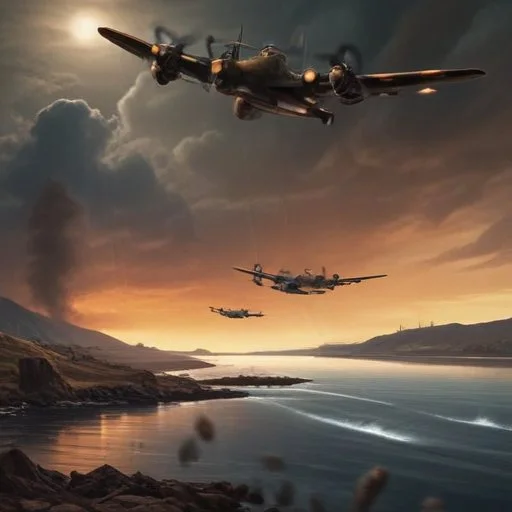
In the early years of World War II, the Ruhr valley, a industrial heartland of Germany, was the backbone of the Nazi war effort. The dams, which provided hydroelectric power and water supply to the region, were crucial to the German war machine. The British government, aware of the valley's significance, planned a bold operation to disrupt the enemy's war efforts.
Wing Commander Guy Gibson, a veteran of over 170 bombing missions, was chosen to lead the 617 Squadron, later dubbed the "Dambusters." Gibson's exceptional leadership skills and experience made him the perfect candidate to spearhead this daring operation. Barnes Wallis, a British engineer, designed the revolutionary "bouncing bomb" that would be used to breach the dams. His ingenuity played a pivotal role in the operation's success.
The successful breaching of the dams resulted in catastrophic floods that ravaged the Ruhr valley, causing widespread destruction and disruption to the German war effort. The operation claimed the lives of over 1,600 civilians and caused significant damage to the industrial infrastructure of the region. The British government's decision to target the dams proved to be a strategic masterstroke, significantly impacting the outcome of the war.
The Dambusters' Raid has left an indelible mark on popular culture. The 1955 film "The Dam Busters," directed by Michael Anderson, immortalized the bravery of the 617 Squadron, while the iconic theme music, composed by Eric Coates, has become synonymous with British pluck and ingenuity. The operation's daring and innovative nature has inspired generations of military strategists, engineers, and historians.
Wing Commander Gibson's leadership and bravery during the operation inspired his fellow airmen, earning him the Victoria Cross, the highest award for gallantry in the face of enemy action. The Dambusters' Raid serves as a testament to the power of human ingenuity, courage, and determination, making it an enduring symbol of British resolve during World War II.
Operation Chastise, a daring and innovative military operation, continues to captivate historians and the general public alike. Its impact on the outcome of World War II is undeniable, and its legacy serves as a reminder of the importance of bravery, ingenuity, and strategic thinking in the face of adversity.
The Ruhr valley, where the dams were located, was not only a crucial industrial hub but also a symbol of German pride and engineering prowess. The valley's significance was further amplified by the fact that it was the birthplace of the German steel industry, making it a vital component of the Nazi war machine. The British government, aware of the valley's importance, had been planning to disrupt the German war effort by targeting the dams since 1940.
The planning phase of Operation Chastise was extensive, with Barnes Wallis, the inventor of the bouncing bomb, working tirelessly to perfect his design. The bomb's unique design, which allowed it to skip across the water and evade the dam's protective torpedo nets, was a game-changer in the world of military engineering.

Wing Commander Guy Gibson was more than just a skilled pilot; he was a natural leader who inspired confidence in his fellow airmen. Born on August 12, 1918, in Simla, India, Gibson joined the Royal Air Force (RAF) in 1936 and quickly rose through the ranks, earning a reputation as a fearless and skilled bomber pilot.
Gibson's leadership skills were evident in the way he commanded the 617 Squadron, earning the respect and admiration of his fellow airmen. His bravery during the Dambusters' Raid was exemplary, and his selflessness in the face of danger inspired his fellow pilots to perform feats of exceptional courage.
The invention of the bouncing bomb revolutionized the field of military engineering and paved the way for future innovations in bomb design. The bomb's unique design, which allowed it to skip across the water and evade protective torpedo nets, was a game-changer in the world of military engineering.
The development of the bouncing bomb also highlighted the importance of interdisciplinary collaboration in military innovation. The collaboration between Barnes Wallis, a civilian engineer, and the RAF's 617 Squadron demonstrated the power of combining scientific expertise with military ingenuity.
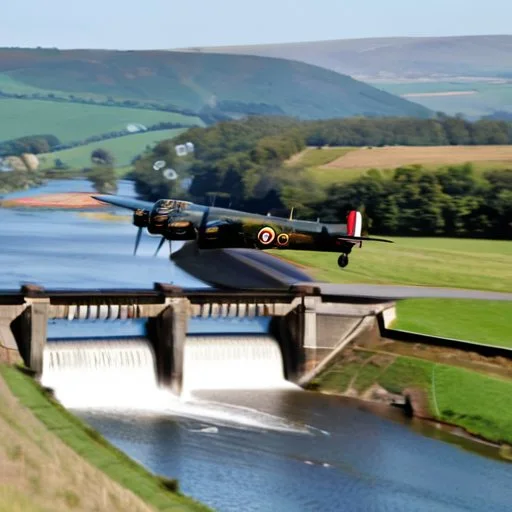
The Dambusters' Raid has had a profound impact on popular culture, inspiring numerous films, books, and documentaries. The 1955 film "The Dam Busters," directed by Michael Anderson, is a classic of British cinema, and its iconic theme music, composed by Eric Coates, has become synonymous with British pluck and ingenuity.
The raid's cultural significance extends beyond the realm of entertainment, however. It has inspired generations of military strategists, engineers, and historians, serving as a testament to the power of human ingenuity and courage in the face of adversity.
The destruction of the Mohne, Sorpe, and Eder dams had a devastating impact on the environment, causing widespread flooding and damage to the ecosystems of the Ruhr valley. The floods destroyed thousands of acres of agricultural land, leading to food shortages and disrupting the local ecosystem.
The environmental impact of the raid was further exacerbated by the release of large amounts of industrial pollutants into the environment, posing a long-term threat to the region's biodiversity.