


Hattie McDaniel's historic night at the 12th Academy Awards will forever be etched in the annals of Hollywood history. On February 29, 1940, she took home the Best Supporting Actress Oscar for her unforgettable portrayal of Mammy in Gone with the Wind, becoming the first African American to win an Academy Award.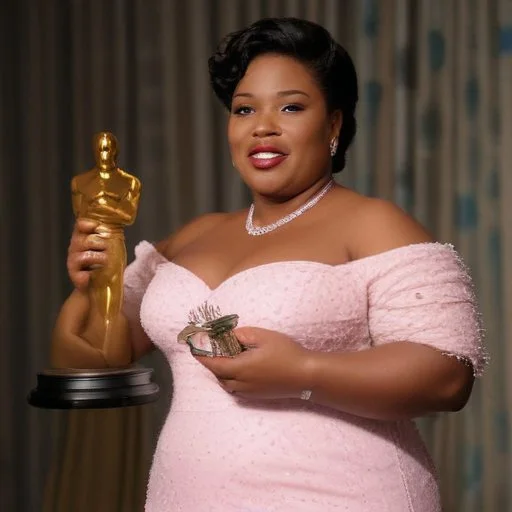
The evening of February 29, 1940, was a night of glamour and excitement at the Coconut Grove in the Ambassador Hotel, Los Angeles. The cream of Hollywood's elite had gathered to honor the best of the best in filmmaking. Hattie McDaniel, resplendent in a majestic blue gown, took her seat at the table, surrounded by her Gone with the Wind co-stars, Vivien Leigh and Olivia de Havilland.
Hattie McDaniel's iconic performance as Mammy, the loyal and lovable house servant, had captivated audiences nationwide. Her portrayal of the character was a masterclass in acting, bringing depth, nuance, and warmth to the role. Her character's sharp wit, wisecracks, and sassiness had won over hearts, making her an instant favorite among filmgoers.
When McDaniel's name was announced as the winner of the Best Supporting Actress Oscar, the audience erupted into cheers and applause. It was a momentous occasion, marking a significant milestone in the struggle for racial equality in the entertainment industry. McDaniel's victory paved the way for future generations of African American actors, breaking down barriers and shattering stereotypes.
In her acceptance speech, McDaniel paid tribute to her mother and her upbringing, which had instilled in her the confidence and determination to pursue her dreams. She also thanked the Academy for recognizing her work, saying, "I shall always hold it as a beacon for all the colored children who were coming on."
Hattie McDaniel's Oscar win had a profound impact on the entertainment industry, paving the way for greater diversity and representation on screen. Her legacy continues to inspire generations of actors, writers, and directors, who are striving to create more inclusive and diverse stories.
McDaniel's victory also had a significant impact on the African American community, who saw her as a role model and a source of pride. Her achievement helped to challenge stereotypes and prejudices, promoting greater understanding and empathy between different racial groups.
Hattie McDaniel's Oscar win can be compared to other groundbreaking moments in the struggle for racial equality, such as Jesse Owens' victory at the 1936 Berlin Olympics and Jackie Robinson's debut in Major League Baseball in 1947. These trailblazers paved the way for future generations, challenging stereotypes and promoting greater understanding and acceptance.
Hattie McDaniel's Oscar win had a profound impact on African American representation in Hollywood. Her victory paved the way for more diverse casting and challenged the stereotypes that had been perpetuated by the film industry. The success of Gone with the Wind and McDaniel's performance as Mammy also led to increased opportunities for African American actors in leading roles.
The cultural significance of McDaniel's win extended beyond the entertainment industry. It was a symbol of hope and progress for the African American community, who saw her as a trailblazer and a source of inspiration. Her achievement helped to promote greater understanding and empathy between different racial groups, and it marked an important milestone in the struggle for racial equality.

Hattie McDaniel's Early Life and Career
Hattie McDaniel was born on June 10, 1893, in Wichita, Kansas. She began her career in show business at a young age, performing in minstrel shows and vaudeville troupes. McDaniel eventually moved to Los Angeles, where she landed small roles in films and radio shows.
McDaniel's breakout role came in 1934, when she starred in the radio show The Optimistic Do-Nut Hour. Her performance as "Hi-Hat Hattie" made her a household name, and she went on to appear in numerous films and television shows throughout the 1930s.
The road to Hattie McDaniel's Oscar win was not an easy one. Despite her talent and success, she faced racism and discrimination throughout her career. McDaniel was often relegated to playing stereotypical roles, such as maids and mammies, and she was paid significantly less than her white counterparts.
However, McDaniel persisted, and her hard work and determination eventually paid off. Her performance as Mammy in Gone with the Wind earned her widespread critical acclaim, and she became the first African American to be nominated for an Academy Award.

Hattie McDaniel's Oscar win had a profound impact on the social dynamics of the entertainment industry. It marked a turning point in the struggle for racial equality, and it paved the way for future generations of African American actors and actresses.
The success of Gone with the Wind and McDaniel's performance as Mammy also led to increased awareness and empathy for the experiences of African Americans during the Civil War and Reconstruction eras. The film's portrayal of slavery and racial tensions sparked important conversations and debates about the legacy of racism in America.
Hattie McDaniel's Oscar win can be compared to other groundbreaking moments in the struggle for racial equality. Her achievement was reminiscent of Jesse Owens' victory at the 1936 Berlin Olympics, which challenged the Nazi regime's ideology of racial supremacy.
McDaniel's win also drew parallels with Jackie Robinson's debut in Major League Baseball in 1947, which broke the sport's color barrier. These trailblazers paved the way for future generations, challenging stereotypes and promoting greater understanding and acceptance.