


The year 1858 marks a pivotal moment in the annals of communication history, as U.S. President James Buchanan and Queen Victoria of the United Kingdom embark on a groundbreaking exchange, inaugurating the new transatlantic telegraph cable. This monumental moment bridges the distance between two nations, revolutionizing the way information is disseminated across the Atlantic.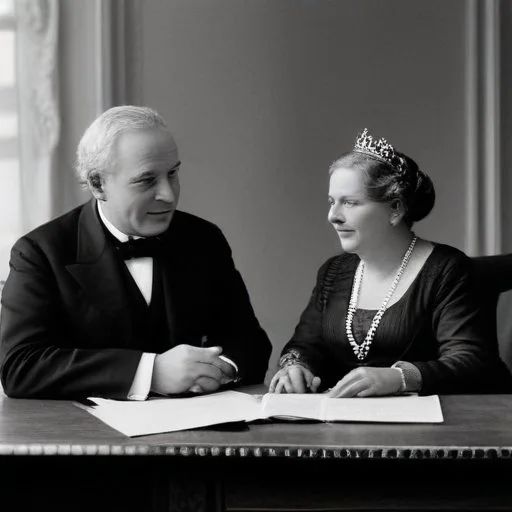
The telegraph, invented by Samuel Morse in the 1830s, had already transformed communication within the United States. However, the prospect of connecting with Europe via underwater cable was a daunting technical challenge. The successful installation of the transatlantic telegraph cable, spanning over 2,000 miles, was a testament to human ingenuity and perseverance.
Regrettably, the jubilation was short-lived. The weak signal, plagued by technical issues, forced the service to shut down a mere weeks later. The disappointment was palpable, but the brief success had already paved the way for future innovations.
Samuel Morse: The Father of Telegraphy
Samuel Finley Breese Morse, an American inventor and artist, is credited with developing the Morse code, a system of communication that revolutionized the way people connect. Born on April 27, 1791, Morse's fascination with technology and innovation led him to create the telegraph, which enabled rapid communication over long distances.
Morse's contributions to the field of communication are immeasurable. His invention not only transformed the way people interacted but also paved the way for future innovations, including the transatlantic telegraph cable. Today, Morse is remembered as a pioneer in the field of telecommunication, and his legacy continues to inspire innovators and inventors around the world.

The Transatlantic Telegraph Cable: A Comparison of Innovation and Perseverance
The successful installation of the transatlantic telegraph cable in 1858 was a testament to human ingenuity and perseverance. This groundbreaking achievement can be compared to other remarkable feats of innovation, such as the construction of the Suez Canal, which connected the Mediterranean Sea to the Red Sea, and the creation of the first railroad networks.
Despite the technical challenges and setbacks, the transatlantic telegraph cable exchange demonstrated the power of collaboration and determination. Similarly, other innovations, like the development of the internet and the launch of the first satellite, also required immense effort and perseverance.
The Geopolitical Context of the Transatlantic Telegraph Cable
The 1850s were a time of significant geopolitical change, with the rise of European colonial powers and the United States emerging as a major world power. The transatlantic telegraph cable exchange took place against the backdrop of shifting global alliances and rivalries.
The successful installation of the cable was seen as a symbol of cooperation and friendly relations between the United States and the United Kingdom. However, it also highlighted the growing importance of global communication and the need for nations to work together to achieve common goals.

The Technological Impact of the Transatlantic Telegraph Cable
The transatlantic telegraph cable exchange marked a significant milestone in the development of telecommunication technology. The successful transmission of messages across the Atlantic Ocean paved the way for future innovations, including the development of modern telephone systems and the internet.
The cable exchange also spurred further research and development in the field of telecommunication, leading to improvements in cable insulation, signal transmission, and reception technology. These advancements had a profound impact on global communication, enabling rapid and reliable exchange of information across the globe.
The Cultural Impact of the Transatlantic Telegraph Cable Exchange
The transatlantic telegraph cable exchange had a profound impact on global culture, bridging the distance between nations and fostering greater understanding and cooperation. The exchange facilitated the exchange of ideas, news, and cultural practices, promoting global connectivity and unity.
The cable exchange also sparked public imagination, inspiring writers, artists, and musicians to explore the theme of global communication and connection. The exchange became a symbol of hope and unity, reflecting the aspirations of a world eager to connect and collaborate.