


On March 29, 2017, Prime Minister Theresa May put her signature on a historic document, formally notifying the European Council of the United Kingdom's intention to withdraw from the European Union, marking the beginning of a two-year process to finalize the terms of the UK's exit. This bold move set in motion a chain reaction that would reshape the country's political and economic landscape, earning May the title of "the iron lady of Brexit."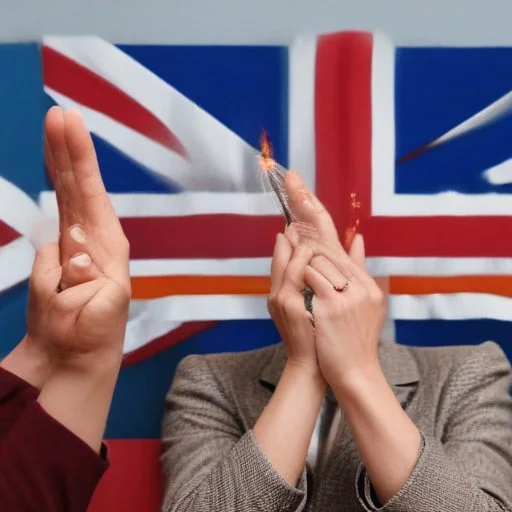
The roots of the UK's disillusionment with the EU can be traced back to the 1975 referendum, when the country first joined the European Economic Community (EEC). Over the years, concerns over sovereignty, immigration, and economic burdens fueled anti-EU sentiment, culminating in the June 2016 Brexit referendum, in which 51.9% of voters chose to leave the EU.
As the second female Prime Minister of the UK, Theresa May's leadership was marked by her tough stance on immigration and her commitment to honoring the Brexit referendum's outcome. May's background in law and her experience as Home Secretary (2010-2016) equipped her with the strategic thinking and negotiating skills necessary to navigate the complex process of withdrawal.
The triggering of Article 50 set off a chain reaction of consequences, including:
The Brexit referendum and subsequent triggering of Article 50 exposed deep-seated divisions within the UK, with Remainers and Leavers engaging in heated debates and protests. The event also sparked a wave of nationalism across Europe, as other EU member states began to question their own membership.
Critics accused May of bypassing Parliament and ignoring the concerns of Remain voters, sparking allegations of authoritarianism and a "hard Brexit." Proponents of Brexit, on the other hand, hailed May's decision as a bold step towards reclaiming the UK's sovereignty.
"Today, we embark on this momentous journey, and I am proud to be leading the country through it." - Theresa May, March 29, 2017
"We're not just leaving the EU, we're rebuilding our country." - Nigel Farage, former UKIP leader and Brexit advocate
As the UK navigates the complex process of withdrawal, questions remain about the future of the UK-EU relationship, the impact on the UK's economy, and the potential for other EU member states to follow suit. One thing is certain, however: Theresa May's decision to invoke Article 50 has set in motion a seismic shift that will reshape the continent's political landscape for generations to come.
The roots of Euroscepticism in the UK can be traced back to the 1950s, when the European Economic Community (EEC) was first established. The UK's initial reluctance to join the EEC was influenced by its historical ties to the Commonwealth and its skepticism towards European integration. However, as the EEC evolved into the European Union (EU), the UK's relationship with the EU became increasingly complicated. The 1975 referendum, which saw the UK join the EEC, was a significant milestone in this journey. The subsequent decades saw a growing divide between pro-EU and anti-EU factions, culminating in the 2016 Brexit referendum.
The EEC's transformation into the EU, with its emphasis on a single currency, a common foreign policy, and further integration, only intensified the debate. The Maastricht Treaty (1992) and the Lisbon Treaty (2007) were particularly significant, as they marked a significant shift towards further integration. The UK's opt-outs from the euro and certain EU policies reflected its ongoing reservations about EU membership.
In the years leading up to the Brexit referendum, concerns over immigration, sovereignty, and economic burdens fueled anti-EU sentiment. The UK's contribution to the EU budget, the perceived threat of EU regulations to British business, and the influx of EU migrants all became contentious issues. Theresa May's decision to invoke Article 50 was the culmination of these long-simmering tensions.

Theresa May's leadership style has been characterized as pragmatic and calculating. Her background in law and her experience as Home Secretary equipped her with the strategic thinking and negotiating skills necessary to navigate the complex process of withdrawal. May's commitment to honoring the Brexit referendum's outcome was driven by her understanding of the electorate's desire for sovereignty and control over immigration.
May's leadership was also marked by her reliance on a close-knit team of advisors, including her closest aide, Nick Timothy. This inner circle played a significant role in shaping the government's Brexit strategy, often to the exclusion of other cabinet members. Critics argued that this approach led to a lack of transparency and accountability in the decision-making process.
Despite her reputation for being a shrewd politician, May's premiership was ultimately marked by controversy and division. Her handling of the Brexit negotiations and her response to the 2017 general election defeat were widely criticized. Her legacy as the "iron lady of Brexit" remains a subject of debate, with some hailing her as a champion of British sovereignty and others condemning her as authoritarian and divisive.
The Brexit referendum and the subsequent triggering of Article 50 have drawn parallels with other significant events in European history. The French Revolution's Declaration of the Rights of Man and of the Citizen (1789) and the German reunification (1990) both saw a redefining of national identity and a reconfiguration of territorial boundaries.
More recently, the Greek financial crisis (2008-2015) and the Catalan independence referendum (2017) have highlighted the challenges of navigating the complexities of EU membership and the consequences of divergence from EU policies. These events have also underscored the fragility of the EU's cohesion and the centrifugal forces that threaten its unity.
The UK's decision to leave the EU has sparked a wave of nationalist sentiment across Europe, with other member states reassessing their own relationship with the EU. The implications of this trend are far-reaching, with potential consequences for European integration, economic cooperation, and global governance.

The Brexit referendum and the subsequent triggering of Article 50 have had a profound impact on British culture and identity. The debate has exposed deep-seated divisions within the UK, with pro-EU and anti-EU factions engaging in heated debates and protests. The event has also sparked a national conversation about Britishness, immigration, and the role of the UK in the world.
The Brexit debate has also had a profound impact on the UK's cultural landscape, with many artists, writers, and musicians speaking out against the Leave campaign's perceived xenophobia and isolationism. The campaign has also seen a resurgence of interest in British literature and art, as citizens seek to understand the complexities of their national identity.
The triggering of Article 50 has also sparked a wave of creativity, as artists and writers respond to the uncertainty and anxiety surrounding the UK's exit from the EU. From Brexit-inspired street art to literary works exploring the complexities of British identity, the event has become a defining moment in the UK's cultural narrative.
The triggering of Article 50 has had significant implications for the UK's economy, with the pound experiencing a sharp decline in value and the stock market witnessing unprecedented volatility. The subsequent trade negotiations with the EU have been marked by uncertainty, with concerns over the potential impact on trade, investment, and economic growth.
The UK's decision to leave the EU's single market and customs union has also raised questions about the country's future economic model. The government's plans for a "global Britain" have sparked debate over the potential benefits and risks of a more autonomous trade policy, including concerns over the loss of access to the EU's free trade agreements.
The triggering of Article 50 has also had significant implications for the UK's regional economies, with concerns over the potential impact on exports, imports, and foreign investment. The rise of nationalist sentiment across Europe has also sparked concerns over the potential fragmentation of global trade, with potential consequences for economic cooperation and global governance.