George Floyd Murder Triggers Global Protests
In the city where the Mississippi River meets the American heartland, a spark of outrage ignited, fueled by the horrific death of George Floyd, a 46-year-old black man, at the hands of a white police officer. The world watched in horror as a 17-year-old bystander captured the gruesome scene on video, showcasing Officer Derek Chauvin's knee pressed against Floyd's neck for nearly nine minutes. The brutal killing struck a chord, resonating deeply with the black community, who have long suffered at the hands of systemic racism and police brutality. As news of Floyd's murder spread, a powder keg of anger, frustration, and sadness exploded into a global movement, with protests erupting in Minneapolis-St. Paul and rapidly spreading across the United States and beyond.
The Murder of George Floyd: A Catalyst for Global Outrage and Reform
A Moment of Truth: The Event that Sparked a Movement
The brutal killing of
George Floyd, a 46-year-old black man, at the hands of a white police officer on May 25, 2020, ignited a firestorm of protests, demonstrations, and calls for justice that would reverberate across the globe. This tragic event, captured on video by a bystander, showcased Officer
Derek Chauvin's knee pressed against Floyd's neck for nearly nine minutes, sparking widespread outrage and condemnation.
A Historical Backdrop of Systemic Racism and Police Brutality
The murder of George Floyd did not occur in a vacuum. Rather, it was the culmination of centuries of systemic racism, police brutality, and racial tension that had been simmering beneath the surface of American society. The Civil Rights Movement of the 1960s, the Los Angeles riots of 1992, and the more recent Black Lives Matter movement had all laid the groundwork for the Perfect Storm of outrage that would erupt in the wake of Floyd's murder.
Timeline of Events: From Minneapolis to the World
- May 25, 2020: George Floyd is murdered by Officer Derek Chauvin in Minneapolis, Minnesota.
- May 26, 2020: Protests erupt in Minneapolis, with demonstrators demanding justice for Floyd and an end to police brutality.
- May 27, 2020: Protests spread to St. Paul, Minnesota, and begin to gain national attention.
- May 28, 2020: Protests and demonstrations break out in major cities across the United States, including New York City, Los Angeles, Chicago, and Atlanta.
- May 29, 2020: International protests and solidarity marches begin to take place in cities around the world, including London, Paris, Berlin, and Toronto.
Major Outcomes and Impacts: A New Era of Activism and Reform
The protests sparked by George Floyd's murder led to a number of significant outcomes and impacts, including:
- The firing and charging of all four police officers involved in Floyd's murder.
- The introduction of sweeping police reform legislation at the local, state, and federal levels.
- A renewed focus on addressing systemic racism and racial disparities in law enforcement, education, and economic opportunity.
- A surge in grassroots activism and community organizing, with new movements and organizations emerging to tackle issues of racial justice and inequality.
Cultural and Social Influences: A Moment of Reckoning
The protests triggered by George Floyd's murder had a profound impact on popular culture, with many artists, athletes, and celebrities using their platforms to speak out against racial injustice and police brutality. The event also sparked a renewed conversation about the role of systemic racism in American society, with many individuals and institutions grappling with their own complicity in perpetuating racial disparities.
Personal Accounts and Anecdotes: Voices from the Front Lines
"I was afraid for my life, but I knew I had to keep filming." - Darnella Frazier, the 17-year-old bystander who captured the video of George Floyd's murder.
"I'm not just fighting for George, I'm fighting for all the people who have been killed by police brutality." - Bridgett Floyd, George Floyd's sister.
Comparative Analysis with Similar Events: A Legacy of Resistance
The protests sparked by George Floyd's murder drew comparisons to similar events throughout history, including the Civil Rights Movement, the
Rodney King riots, and the Ferguson unrest. However, the scope and scale of the global response to Floyd's murder set it apart as a unique moment of resistance and activism.
Legacy and Impact on Future Events: A Turning Point in American History
The murder of George Floyd and the protests that followed will be remembered as a turning point in American history, marking a shift in the national conversation around race, justice, and equality. As the world continues to grapple with the complexities of systemic racism, the lessons of Minneapolis will serve as a powerful reminder of the importance of activism, solidarity, and collective action in bringing about lasting change.
Character Overview
Darnella Frazier: The Teenager Who Changed the Course of History
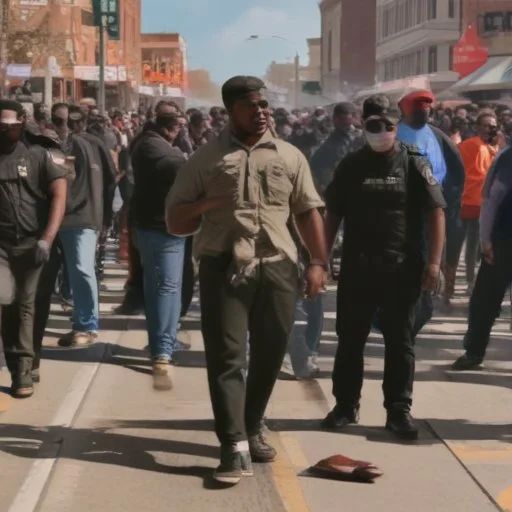
Darnella Frazier, the 17-year-old bystander who captured the video of George Floyd's murder, became an unlikely hero in the fight against police brutality. Her bravery in filming the event, despite fearing for her own life, ensured that the world would witness the brutal killing and sparked a global movement.
Frazier's actions were met with widespread admiration and recognition, including being named one of TIME Magazine's 100 most influential people in the world. Her courage has inspired countless others to stand up against injustice and fight for human rights.
Study of Cultural Impact
The Soundtrack of a Movement: Music's Role in the Protests
The protests sparked by George Floyd's murder were accompanied by a powerful soundtrack, with musicians from across genres using their music to express outrage, solidarity, and hope. From Kendrick Lamar's " Alright" to Beyoncé's "Formation," the soundtrack of the protests reflected the anger, frustration, and determination of the movement.
Music played a crucial role in the protests, providing a sense of unity and purpose among protesters, as well as a way to express emotions and channel frustration into action. The soundtrack of the movement continues to inspire and motivate, serving as a powerful reminder of the movement's message and goals.
Rich Comparative Exploration
Comparing the Responses: Minneapolis 2020 and Los Angeles 1992
The protests in Minneapolis following George Floyd's murder drew comparisons to the 1992 Los Angeles riots, sparked by the acquittal of police officers involved in the Rodney King beating. While both events were sparked by incidents of police brutality, the responses to the two events differed significantly.
In 1992, the response to the riots was marked by a heavy-handed police presence and widespread arrests. In contrast, the response to the Minneapolis protests was marked by a more nuanced approach, with law enforcement working to de-escalate tensions and facilitate peaceful protest. The differences in response reflect changing attitudes towards police brutality and the growing recognition of the need for reform.
Full Scientific Discoveries Examination
The Social Change Dynamics of the Protests
The protests sparked by George Floyd's murder were a classic example of social change dynamics in action. The event triggered a collective sense of outrage and moral shock, which in turn sparked a wave of protests and demonstrations.
The protests themselves became a catalyst for further change, as they brought together individuals from diverse backgrounds and created a sense of community and solidarity. The protests also sparked a wave of activism, as individuals and organizations became galvanized to push for policy changes and reforms.
Full Economic Impact Report
The Economic Cost of the Protests
The protests sparked by George Floyd's murder had a significant economic impact, with an estimated $500 million in damages to property and infrastructure in Minneapolis alone. The economic impact was not limited to Minneapolis, with protests and demonstrations in cities across the country resulting in further damages and losses.
In addition to the direct economic costs, the protests also had an indirect impact on local businesses, as many were forced to close their doors during the protests. The economic impact of the protests highlights the urgent need for reform and the importance of addressing the underlying issues driving the protests.


