


The Harrods bombing, which occurred on December 17, 1983, is infamous for being one of the most devastating acts of terrorism to ever strike the heart of London, claiming the lives of six innocent individuals, including three police officers and three civilians.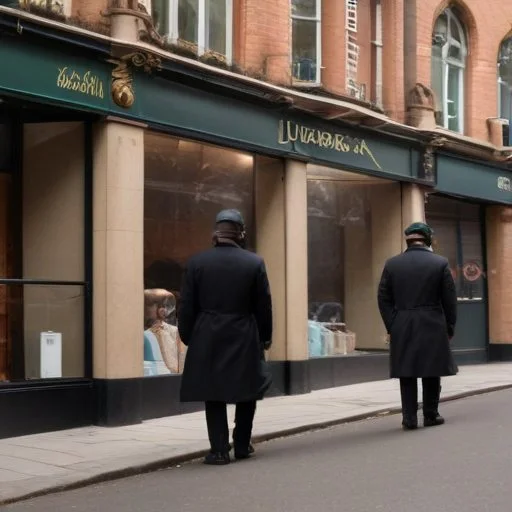
On a fateful Saturday afternoon, a car bomb detonated outside Harrods Department Store, a renowned luxury retailer, sending shockwaves of horror and devastation throughout the city. The blast, which was equivalent to 25 kilograms of explosives, sent debris flying everywhere, and witnesses described the sound as akin to a huge drumbeat.
The Harrods bombing was a calculated attack by the Provisional IRA, a militant Irish nationalist organization, as part of their ongoing campaign against the British government. The organization, which emerged in the late 1960s, sought to end British rule in Northern Ireland through armed resistance.
The Harrods bombing had far-reaching consequences, both locally and internationally. The attack led to a significant increase in security measures in London, with the introduction of new counter-terrorism laws and enhanced police presence in public areas.
Apart from the devastating loss of life, the bombing also had a profound impact on the psyche of the British public, leading to increased fear and anxiety about the threat of terrorism.
The Harrods bombing sparked widespread outrage and condemnation, with many calling for stricter measures to combat terrorism. The attack also sparked a heated debate about the Provisional IRA's legitimacy as a political organization, with some arguing that their actions were morally reprehensible.
In the aftermath of the bombing, Harrods Department Store, which had suffered significant damage, underwent a comprehensive renovation. The store reopened its doors in 1985, symbolizing London's resilience and determination to overcome the forces of terrorism.
The Harrods bombing serves as a poignant reminder of the devastating consequences of terrorism and the importance of promoting peace, understanding, and unity in the face of adversity.
The Harrods bombing occurred during a tumultuous period in British politics, with the Conservative government led by Margaret Thatcher facing opposition from the Labour Party and the trade union movement.
The bombing also coincided with the height of the Troubles in Northern Ireland, a period of sectarian violence and political unrest that lasted from the late 1960s to the late 1990s.
The political climate of the time created a sense of uncertainty and fear, with the British government facing criticism for its handling of the Northern Ireland crisis.

Patrick Magee, a member of the Provisional IRA, was the mastermind behind the Harrods bombing.
Born in 1951 in Belfast, Northern Ireland, Magee became involved with the IRA at a young age, driven by his strong nationalist beliefs.
Magee's expertise in explosives and bomb-making made him a key figure in the IRA's campaign against the British government.
Harrods Department Store, a iconic London landmark, held a special cultural significance in British society.
Founded in 1849, Harrods was more than just a luxury retailer; it was a symbol of British elegance and refinement.
The bombing of Harrods shook the British public, as it targeted a beloved institution and threatened the country's sense of national identity.

The Harrods bombing must be understood within the broader geopolitical context of the time.
The cold war was still ongoing, with the Soviet Union and the United States vying for global influence.
The bombing highlighted the vulnerability of Western democracies to terrorist attacks, and raised questions about the effectiveness of counter-terrorism measures.
The Harrods bombing had significant economic consequences, both in the short and long term.
The immediate impact was felt in the tourism industry, with many visitors cancelling trips to London in the aftermath of the bombing.
In the long term, the bombing led to increased security measures, which added to the financial burden on businesses and taxpayers.