


As the world bid farewell to a remarkable 70-year reign, Queen Elizabeth II's passing at Balmoral Castle in Scotland marked a poignant moment in history. The longest-reigning British monarch, known for her unwavering dedication to duty and steadfast spirit, left an indelible mark on the hearts of millions.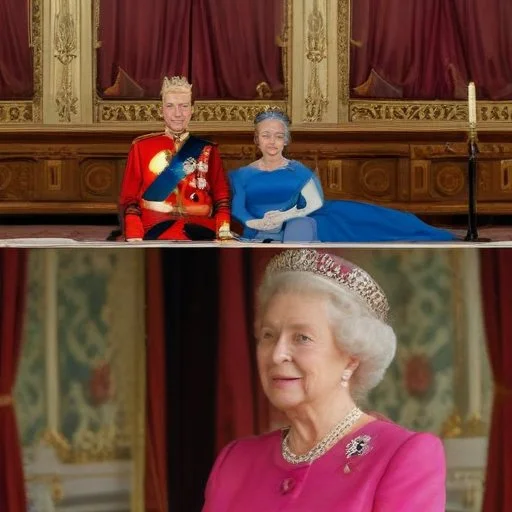
Queen Elizabeth II's remarkable journey began on February 6, 1952, when she ascended to the throne following the death of her father, King George VI. Over the years, she became synonymous with British royalty, earning the respect and admiration of people from all walks of life.
Throughout her reign, the Queen demonstrated an unshakeable commitment to her people, playing a vital role in shaping the United Kingdom's history. From navigating the country through times of war and peace to fostering diplomatic relationships with nations around the world, Queen Elizabeth II's leadership and wisdom earned her a reputation as a beacon of stability and strength.
As the curtain falls on Queen Elizabeth II's remarkable journey, her son Charles, Prince of Wales, steps into the spotlight, becoming King Charles III. This new chapter in British history marks a significant transition, as the nation embarks on a new era under the leadership of its new monarch.
Queen Elizabeth II's impact on British culture and society cannot be overstated. From her iconic fashion sense to her ability to bring people together during times of crisis, the Queen's presence has been felt far beyond the walls of Buckingham Palace.
Through her patronage of numerous charitable organizations and her support for the arts, the Queen has inspired countless individuals to make a positive impact in their communities.
"When life seems hard, the courageous do not lie down and accept defeat; instead, they are all the more determined to struggle for a better future."
"Grief is the price we pay for love."
These words, spoken by Queen Elizabeth II on various occasions, serve as a testament to her wisdom, compassion, and strength in the face of adversity.
As the world mourns the passing of Queen Elizabeth II, her remarkable legacy will continue to inspire generations to come. Through her unwavering dedication to duty, her steadfast spirit, and her unshakeable commitment to her people, the Queen has left an indelible mark on history.
In the words of the Queen herself, "The climb is not merely a necessary accompaniment of life – it is life itself."
As the United Kingdom embarks on a new chapter in its history, Queen Elizabeth II's remarkable reign will forever be remembered as a beacon of hope, resilience, and strength.
Throughout her reign, Queen Elizabeth II's patronage of the arts and charitable organizations had a profound impact on British culture. Her support for institutions like the Royal Academy of Arts and the British Museum helped shape the country's artistic and cultural landscape.
Her Majesty's love for horses and dogs led to the development of equestrian and canine-related charitable initiatives, resulting in significant advances in animal welfare and conservation.
The Queen's influence on fashion was also considerable, with her iconic style inspiring generations of designers and fashion enthusiasts alike. Her Majesty's wardrobe, often featuring bespoke outfits created by renowned designers, became an integral part of British cultural heritage.

King Charles III, the eldest son of Queen Elizabeth II, is set to usher in a new era of British monarchy. As Prince of Wales, he has been an ardent advocate for environmental causes, architecturally innovative projects, and social welfare initiatives.
Throughout his life, Charles has been shaped by his experiences as a naval officer, a philanthropist, and a devoted husband and father. His commitment to his charitable work has earned him widespread respect, particularly in the areas of education, healthcare, and rural affairs.
As he assumes the throne, King Charles III brings with him a unique blend of experience, wisdom, and vision, poised to lead the United Kingdom into a new chapter of its history.
Queen Elizabeth II's reign was marked by significant technological advancements that transformed the way the royal family operated. The advent of television allowed Her Majesty to reach a wider audience, with her annual Christmas message becoming a beloved tradition.
The introduction of digital media enabled the royal family to engage with the public in new and innovative ways, from social media platforms to online royal websites.
The Queen's embracing of technology also facilitated greater efficiency in the administration of the monarchy, streamlining communication and organizational processes.

Historians will undoubtedly scrutinize Queen Elizabeth II's remarkable reign for years to come, examining her leadership, diplomacy, and impact on British society.
One crucial area of study will be the Queen's role in decolonization, as her reign coincided with the dissolution of the British Empire and the emergence of newly independent nations.
Another key aspect of her legacy will be her ability to adapt to changing social and cultural norms, from the rise of feminism to the growing importance of environmentalism.
Queen Elizabeth II's reign served as a valuable teaching tool for educators, offering insights into British history, politics, and culture.
The monarch's numerous state visits, speeches, and public appearances provided a unique window into international relations, diplomacy, and the role of a head of state.
The Queen's commitment to education was evident in her patronage of numerous educational institutions, highlighting the importance of learning and personal development.