


Rabbi Meir Kahane, the fiery founder of the far-right Kach movement, was gunned down on November 5, 1990, after delivering a passionate speech at the Marriott Hotel in New York City. This shocking event sent ripples through the Jewish community, sparking outrage and protests, and cementing Kahane's controversial legacy as a champion of Jewish extremism and Arab-Israeli relations.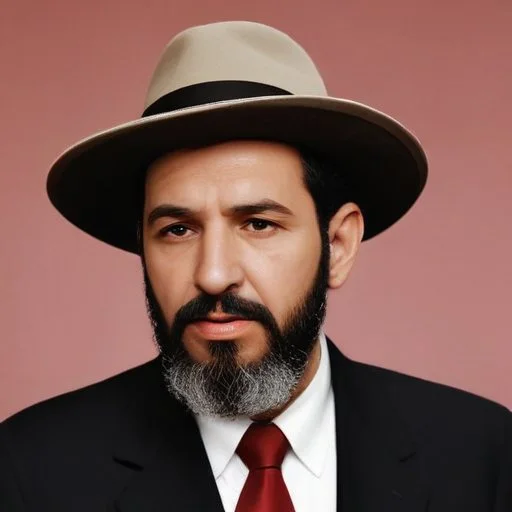
Born in Brooklyn, New York, in 1932, Kahane was raised in a family of Zionist activists. He became enamored with the teachings of Ze'ev Jabotinsky, a Revisionist Zionist leader, and went on to study at the Mir Yeshiva in Brooklyn. Kahane's radical views on Jewish identity and Arab-Israeli relations began to take shape during his time as a rabbi in the United States and later in Israel.
In 1971, Kahane founded the Kach movement, which aimed to promote Jewish nationalism and settlement in the occupied territories. His extremist ideologies, including calls for the forced removal of Arabs from Israel, sparked widespread controversy and condemnation from both Israeli and international leaders.
On that fateful evening, Kahane addressed a packed lecture hall at the Marriott Hotel, denouncing Arab extremism and calling for increased Jewish settlement in the West Bank and Gaza Strip. As he exited the hall, a lone gunman, later identified as El Sayyid Nosair, stepped forward and fired a single bullet into Kahane's neck. The charismatic leader crumpled to the ground, his life slipping away amidst the chaos and panic.
The assassination sent shockwaves through the Jewish community, with protests and outrage erupting in Israel and the United States. While some hailed Kahane as a hero and martyr, others condemned his extremist ideologies and views on Arab-Israeli relations. His legacy remains deeply divisive, with many regarding him as a champion of Jewish rights and others viewing him as a provocative figure who fueled animosity and violence.
Rabbi Kahane was known for his electrifying speeches and unwavering conviction. One attendee at the Marriott Hotel recalled, "He spoke with a fire in his belly, a passion that was both captivating and unsettling."
Kahane's assassination marked a turning point in the Israeli-Palestinian conflict, galvanizing both extremist and moderate voices on either side of the divide. His legacy continues to influence Israeli politics and policy, with some leaders drawing inspiration from his views on Jewish identity and settlement.
Kahane's life and legacy can be traced through the following milestones:
Despite the controversies surrounding his life and legacy, Kahane's unwavering commitment to his convictions remains an inspiration to some. His story serves as a testament to the power of conviction and the enduring consequences of extremism.
Rabbi Kahane's assassination sent shockwaves through the political landscape of Israel, sparking a period of intense political polarization. The event galvanized both extremist and moderate voices, leading to a surge in nationalist sentiment and anti-Arab rhetoric. In the years following, Israeli politicians such as Benjamin Netanyahu and Ariel Sharon drew inspiration from Kahane's views on Jewish identity and settlement, incorporating them into their own political platforms.
Kahane's legacy continues to influence Israeli politics, with many leaders still grappling with the implications of his extremist ideologies. The ongoing Israeli-Palestinian conflict remains a contentious issue, with Kahane's assassination serving as a catalyst for the intensification of tensions between the two sides.

Rabbi Meir Kahane: A Complex and Controversial Figure
Rabbi Kahane was a study in contradictions – a charismatic leader who inspired devotion in some, while repelling others with his extremist views. Born into a family of Zionist activists, Kahane's passion for Jewish identity and settlement in the occupied territories drove his radical ideology. Despite his controversial reputation, Kahane remained a compelling figure, attracting a devoted following among some segments of the Jewish community.
Through his writings, speeches, and leadership of the Kach movement, Kahane left an indelible mark on the Jewish community and beyond. Love him or loathe him, Kahane's legacy continues to shape the discourse around Jewish identity, Arab-Israeli relations, and the Israeli-Palestinian conflict.
The cultural impact of Rabbi Kahane's assassination extends far beyond the Jewish community. The event marked a turning point in the Israeli-Palestinian conflict, fueling a wave of anti-Arab sentiment and extremist rhetoric. In the years following, the conflict intensified, with both sides becoming increasingly entrenched in their positions.
Kahane's legacy has also influenced popular culture, with references to his life and ideology appearing in films, literature, and music. His controversial reputation has made him a fascinating figure, with many artists and writers grappling with the implications of his extremist views.

The geopolitical context of Rabbi Kahane's assassination was one of heightened tension and violence. The late 1980s and early 1990s saw a surge in Palestinian militant activity, accompanied by increased Israeli settlement and military presence in the occupied territories. Against this backdrop, Kahane's extremist ideology and calls for forced Arab removal resonated with some, while appalled others.
The event itself occurred at a time of relative calm, with the Madrid Peace Conference having convened just weeks earlier. Kahane's assassination sent a stark message to the international community, underscoring the intensity of the Israeli-Palestinian conflict and the power of extremist ideologies to shape political discourse.
Historiographical perspectives on Rabbi Kahane's life and legacy are multifaceted and contested. Some historians view Kahane as a champion of Jewish rights, while others condemn him as a provocative figure who fueled animosity and violence. The event of his assassination has been interpreted in various ways, with some seeing it as a catalyst for increased extremism, and others as a tragic reminder of the consequences of hate speech.
Through the lens of historiography, Kahane's life and legacy reveal the complexities of the Israeli-Palestinian conflict, highlighting the tensions between competing narratives and ideologies. By examining the event and its aftermath, historians can gain valuable insights into the dynamics of political extremism, the power of charismatic leadership, and the ongoing struggle for identity and self-determination in the region.