Rhode Island pioneers abolition, banning slave imports
In the rebellious spirit of American independence, Rhode Island takes a bold step forward, becoming the first of Britain's North American colonies to outlaw the importation of enslaved Africans. This pioneering move sends a powerful message, further solidifying the colony's reputation as a beacon of freedom and social justice. With this groundbreaking legislation, Rhode Island sets a crucial precedent, challenging the morally reprehensible institution of slavery and paving the way for a more equitable future.
The Dawn of Freedom: Rhode Island's Pioneering Move Against Slavery
In a bold display of defiance against the status quo, Rhode Island etched its name in history by becoming the first of Britain's North American colonies to outlaw the importation of enslaved Africans in 1774. This groundbreaking legislation not only resonated as a beacon of hope for the oppressed but also cemented the colony's reputation as a champion of social justice and freedom.
A Historical Context of Oppression
The transatlantic slave trade had long plagued the Americas, with millions of Africans being forcibly brought to the continent against their will. As the 18th century unfolded, the horrors of slavery became increasingly evident, and voices of dissent began to rise. Rhode Island, with its thriving ports and mercantile economy, was no stranger to the slave trade. However, a growing sense of unease and moral obligation prompted the colony to take a stand against this reprehensible institution.
The Key Players: Rhode Island's Abolitionists
- Stephen Hopkins: A prominent lawyer and future governor of Rhode Island, Hopkins played a pivotal role in drafting the abolitionist legislation.
- Moses Brown: A Quaker abolitionist and merchant, Brown passionately argued against the slave trade, citing its moral and economic detriments.
- Samuel Ward: A delegate to the Continental Congress, Ward fervently advocated for the abolition of slavery, emphasizing its contradiction with the principles of liberty and equality.
A Timeline of Courage
- 1764: The Rhode Island General Assembly passes a resolution condemning the slave trade, but it is later vetoed by the British monarch.
- 1772: The abolitionist movement gains momentum, with Moses Brown and others petitioning the General Assembly to ban the importation of slaves.
- 1774: The Rhode Island General Assembly passes an act prohibiting the importation of enslaved Africans, making it the first colony to do so.
Major Outcomes and Impacts
Rhode Island's pioneering move sent shockwaves across the American colonies and beyond. This legislation not only halted the importation of slaves but also:
- Solidified Rhode Island's reputation as a beacon of freedom and social justice.
- Inspired other colonies to follow suit, paving the way for the eventual abolition of slavery in the United States.
- Highlighted the growing divide between the American colonies and Great Britain, contributing to the momentum of the American Revolution.
Cultural and Social Influences
Rhode Island's bold stance against slavery reverberated throughout the social and cultural fabric of the colony. It:
- Fostered a growing sense of unity among abolitionists, Quakers, and other groups opposed to slavery.
- Inspired literary and artistic works, such as Phillis Wheatley's poetry, which condemned the slave trade and advocated for freedom.
- Paved the way for the eventual integration of African Americans into Rhode Island society, albeit with ongoing struggles for equality.
Controversies and Public Perception
While Rhode Island's abolitionist legislation was a groundbreaking achievement, it was not without its controversies. Some argued that the ban on importation would merely drive the slave trade underground, while others criticized the colony's ongoing involvement in the slave economy.
Quotes and Memorable Sayings
- "The slave trade is a national sin, and we must seek its abolition." - Stephen Hopkins
- "Liberty and slavery are incompatible. We must choose one or the other." - Moses Brown
A Legacy of Freedom
Rhode Island's courageous stand against slavery not only reshaped the moral landscape of the American colonies but also left an indelible mark on the nation's future. As we reflect on this pivotal moment in history, we are reminded of the power of collective action and the unwavering commitment to the principles of freedom and equality.
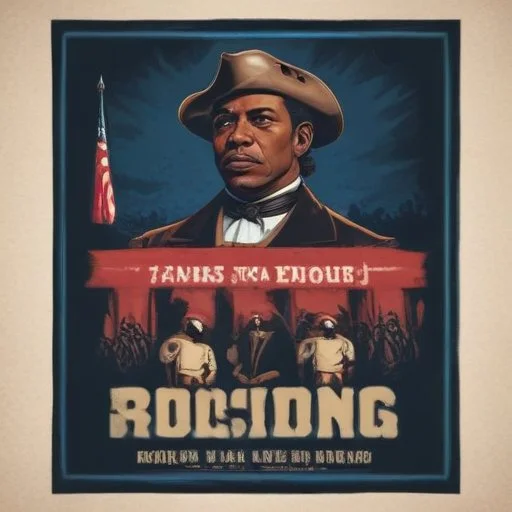
Full Character Review
Moses Brown: The Quaker Abolitionist
Moses Brown, a prominent Quaker and merchant, played a crucial role in shaping Rhode Island's abolitionist movement. Born in 1738, Brown was raised in a family of modest means, but his business acumen and strong moral convictions propelled him to become a respected figure in Providence.
Brown's commitment to social justice was deeply rooted in his Quaker faith, which emphasized the inherent value of every human life. He was instrumental in mobilizing public opinion against the slave trade, and his testimony before the Rhode Island General Assembly in 1772 helped sway lawmakers to take action.
Brown's influence extended beyond Rhode Island's borders. He corresponded with prominent abolitionists, including Anthony Benezet, and helped establish the Providence Abolition Society in 1789. Through his tireless efforts, Brown ensured that the abolitionist flame continued to burn bright, inspiring future generations to fight for freedom and equality.

Economic Consequence Analysis
The Economic Consequences of Abolition
Rhode Island's ban on the importation of enslaved Africans had significant economic implications for the colony. The slave trade was a lucrative business, and many merchants and traders stood to lose substantial profits.
However, the abolitionist movement also created new economic opportunities. The shift towards domestic industries, such as textiles and shipbuilding, helped diversify the colony's economy and reduce its dependence on the slave trade.
Moreover, the abolition of slavery led to an influx of free laborers, who contributed to the colony's economic growth and development. While the transition was not without its challenges, Rhode Island's bold move towards abolition ultimately paved the way for a more sustainable and equitable economy.
Thorough Cultural Analysis
The Cultural Significance of Rhode Island's Abolition
Rhode Island's pioneering abolitionist movement had a profound impact on the cultural landscape of the colony. The movement inspired a new wave of artistic and literary works that denounced the slave trade and celebrated the principles of freedom and equality.
Phillis Wheatley, a former slave turned poet, was one of the most notable beneficiaries of Rhode Island's abolitionist movement. Her poetry, which passionately condemned the slave trade, found a receptive audience in the colony and helped galvanize public opinion against slavery.
The abolitionist movement also fostered a sense of community and solidarity among Rhode Islanders. The shared commitment to social justice created a collective identity that transcended social and economic boundaries, paving the way for a more unified and inclusive society.

Detailed Geopolitical Context
Rhode Island's Abolition in a Geopolitical Context
Rhode Island's abolitionist movement did not occur in isolation. The colony's bold move was part of a broader geopolitical trend, as European powers began to reexamine their role in the transatlantic slave trade.
The British Parliament's Somerset v. Stewart ruling in 1772, which declared that slavery was unsupported by English common law, had significant implications for the American colonies. The ruling emboldened abolitionists and created an opportunity for Rhode Island to take a leadership role in the movement.
Rhode Island's abolitionist legislation also had far-reaching implications for the American Revolution. The colony's commitment to social justice and equality helped shape the ideological contours of the Revolution, influencing the development of the United States' founding documents and the broader struggle for independence.
Study of Philosophical and Ideological Effects
The Philosophical Underpinnings of Abolition
Rhode Island's abolitionist movement was grounded in a set of philosophical principles that emphasized the inherent dignity and equality of all human beings.
The Enlightenment thinkers, such as John Locke and Jean-Jacques Rousseau, had a profound impact on the abolitionist movement. Their ideas about natural rights, social contract theory, and the evils of tyranny helped shape the moral and intellectual framework of the movement.
In particular, the concept of liberty and the notion that all men are created equal resonated deeply with Rhode Islanders. The abolitionist movement's emphasis on these principles helped inspire a broader commitment to social justice and equality, which continues to shape American society to this day.


