


On April 1, 1924, the Royal Canadian Air Force (RCAF) was officially established, marking a significant milestone in Canadian history. This bold move by the Canadian government signaled a major shift in the country's defense strategy, recognizing the vital importance of air power in the post-World War I era.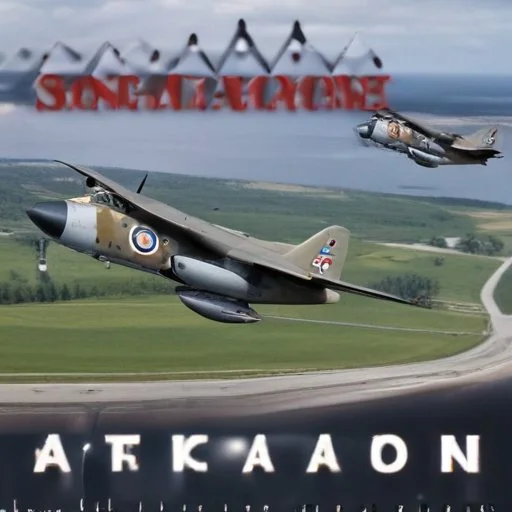
In the aftermath of World War I, Canada was faced with the daunting task of rebuilding and modernizing its military. The war had highlighted the importance of air power, and the Canadian government knew it needed to stay ahead of the curve. In 1922, the Canadian government authorized the creation of a new air force, paving the way for the RCAF's eventual formation.
The creation of the RCAF was a testament to the vision and perseverance of several key figures, including:
The journey to the RCAF's formation was marked by several key milestones:
The formation of the RCAF had far-reaching consequences for Canada's defense capabilities:
One of the most fascinating stories surrounding the RCAF's formation is that of Lieutenant Colonel William Avery Bishop, who shared his thoughts on the early days of the air force:
"Those were exciting times, full of uncertainty and challenge. But we were driven by a sense of purpose, a determination to build something truly remarkable."
The RCAF's formation had a profound impact on Canada's defense strategy, paving the way for future generations of Canadian pilots and airmen:
The Royal Canadian Air Force's formation on April 1, 1924, marked a significant turning point in Canadian history, signaling a new era in Canadian defense. As we look back on this momentous occasion, we are reminded of the bravery, vision, and determination of those who paved the way for this remarkable achievement.
The establishment of the RCAF was not without its challenges. The Canadian government faced opposition from those who believed that air power was a luxury, and that resources should be focused on more traditional military branches. However, Prime Minister William Lyon Mackenzie King remained committed to the idea, recognizing the importance of air power in modern warfare. Despite these challenges, the RCAF persevered, and its formation marked a significant shift in Canada's defense strategy.
One of the key factors that contributed to the RCAF's success was its ability to adapt to changing circumstances. In the early years, the RCAF faced numerous challenges, including a lack of resources, equipment, and trained personnel. However, through perseverance and determination, the RCAF was able to overcome these hurdles, and establish itself as a credible and effective air force.

Lieutenant Colonel William Avery Bishop, the RCAF's first commander, was a highly decorated World War I flying ace. Born in 1894, Bishop enlisted in the Canadian Expeditionary Force in 1914, and soon transferred to the Royal Flying Corps. During the war, he became one of the highest-scoring aces, credited with 72 victories. After the war, Bishop returned to Canada, where he became a prominent advocate for the establishment of a Canadian air force.
Bishop's experience and expertise were invaluable to the RCAF in its early years. As commander, he played a crucial role in shaping the air force's culture and traditions, and was instrumental in developing its training programs and operational procedures.
The formation of the RCAF marked a significant milestone in the development of Canadian aviation technology. At the time, aircraft design and manufacturing were still in their infancy, and the RCAF played a crucial role in driving innovation and advancement in these areas.
The RCAF's early years saw the introduction of new aircraft types, including the DH-4 bomber and the Sopwith Camel fighter. These aircraft represented a significant improvement over earlier models, and played a crucial role in the RCAF's early operations.

The formation of the RCAF took place against the backdrop of a rapidly changing global landscape. In the aftermath of World War I, the world was reeling from the devastating effects of the war, and the global security environment was highly unstable.
In this context, the RCAF's formation was a significant development, as it marked a major shift in Canada's defense strategy, and reflected the country's growing recognition of the importance of air power in modern warfare.
The formation of the RCAF was a highly political process, with significant implications for Canadian foreign policy. The decision to establish an air force was motivated in part by a desire to maintain Canadian sovereignty, and to assert the country's independence in the face of growing American and British influence.
The RCAF's formation also had significant implications for Canadian relations with the United States and the United Kingdom. The establishment of a Canadian air force marked a significant step towards greater autonomy, and paved the way for future cooperation and collaboration between the three nations.