


The SA de Transport Aérien Flight 730 crash is an infamous aviation disaster that claimed 36 lives on a fateful morning in December 1977. This tragic event occurred just 200 meters short of the runway at Madeira Airport in Funchal, Portugal, and remains one of the deadliest air accidents in the country's history.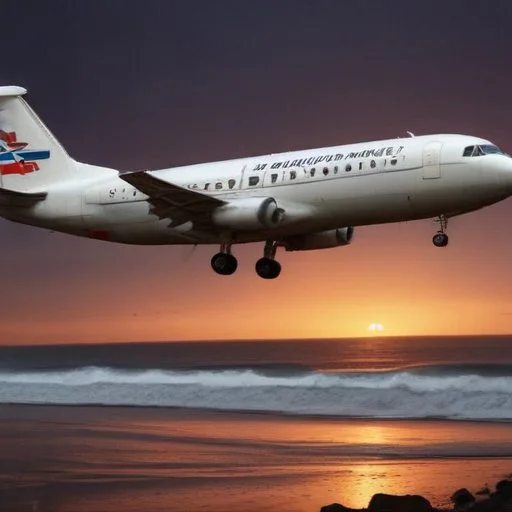
The misty morning of December 18, 1977, began like any other for the passengers and crew of Flight 730. The Sud Aviation SE210 Caravelle, a veteran of the skies, had taken off from Geneva, Switzerland, bound for Funchal, Madeira, Portugal, carrying 57 passengers and 6 crew members. However, as the plane approached its destination, disaster struck.
The precise circumstances surrounding the crash remain unclear to this day. Despite extensive investigations, the exact cause of the accident was never definitively determined. Pilot error and poor visibility were suspected contributors, but the mystery of that fateful morning has never been fully solved.
The SA de Transport Aérien Flight 730 crash sent shockwaves through the aviation community, sparking intense investigations and calls for improved safety measures. The tragedy led to a renewed focus on air safety, prompting airlines and regulatory bodies to re-examine their procedures and protocols.
In the wake of the crash, a thorough investigation was launched to determine the cause of the accident. While the official report highlighted pilot error and poor visibility as probable causes, many questions remained unanswered. The incident sparked heated debates about the role of human error versus technical malfunction in aviation accidents.
The SA de Transport Aérien Flight 730 crash claimed the lives of 36 people, leaving behind grieving families and loved ones. The tragedy serves as a poignant reminder of the risks and sacrifices made by air travelers and the importance of ensuring the safety of all who take to the skies.
The SA de Transport Aérien Flight 730 crash led to significant changes in aviation safety regulations and procedures. The incident highlighted the importance of robust safety protocols, rigorous pilot training, and ongoing investments in aircraft technology. These lessons continue to shape the aviation industry today, informing safety practices and policies around the world.
The SA de Transport Aérien Flight 730 crash serves as a somber reminder of the importance of aviation safety. While the exact cause of the accident remains unclear, the tragedy has had a lasting impact on the industry, driving improvements in safety standards and practices. As the aviation community continues to evolve, the lessons learned from this tragic event remain as relevant as ever.
The SA de Transport Aérien Flight 730 crash had a significant economic impact on the airline industry in Portugal and beyond. The accident led to a decline in passenger traffic and revenue for Madeira Airport, with many travelers opting for alternative routes and airlines. The crash also resulted in increased insurance premiums for airlines operating in the region, further straining their financial resources.
The crash also had implications for the local economy, with many businesses reliant on tourism affected by the decline in air travel. The hotel industry, in particular, suffered significant losses, with many rooms left unoccupied in the aftermath of the crash.
In the longer term, the crash led to increased investment in airport infrastructure and safety measures, with the Portuguese government committing to improve the safety standards of its airports.
The SA de Transport Aérien Flight 730 crash sparked a political firestorm in Portugal, with opposition parties calling for the resignation of the government's transportation minister. The accident highlighted concerns about the safety of the country's airports and the need for greater investment in infrastructure.
The crash also led to increased scrutiny of the country's air safety regulations, with many arguing that they were inadequate and in need of reform. The government was forced to respond to these concerns, launching a review of air safety procedures and regulations.
The SA de Transport Aérien Flight 730 crash led to significant improvements in aircraft technology, particularly in the areas of navigation and collision avoidance systems. The accident highlighted the need for more accurate and reliable navigation systems, leading to the development of new technologies such as GPS and terrain-following radar.
The crash also accelerated the development of collision avoidance systems, such as TCAS (Traffic Collision Avoidance System), which is now a standard feature on commercial aircraft.
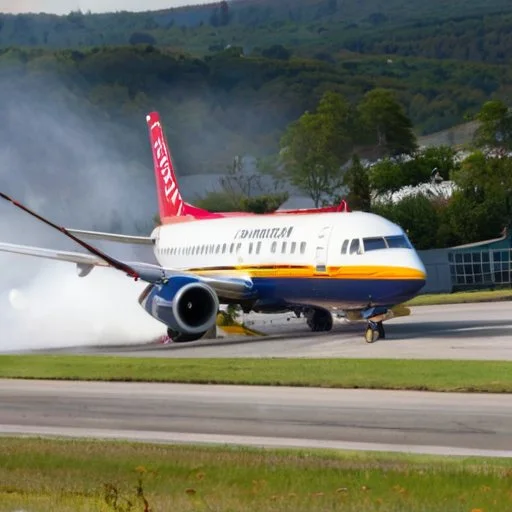
The SA de Transport Aérien Flight 730 crash was not an isolated incident, but rather part of a series of aviation accidents that occurred in the 1970s. The decade saw a number of high-profile crashes, including the Tenerife airport disaster in 1977, which remains the deadliest aviation accident in history.
The crash of Flight 730 was also part of a larger trend of aviation accidents in Portugal, which had seen a number of fatal crashes in the preceding years. The accident highlighted the need for improved safety standards and regulations in the country's aviation industry.
The SA de Transport Aérien Flight 730 crash had a profound cultural impact on Portugal and beyond. The accident led to a national outpouring of grief, with many people paying tribute to the victims and their families.
The crash also had an impact on the country's psyche, with many people fearful of flying in the aftermath of the accident. The crash led to a greater awareness of the risks associated with air travel and a renewed appreciation for the importance of safety.