


Saddam Hussein's reign of terror in Iraq is marked by one of the most devastating and calculated campaigns of genocide in modern history – the Anfal genocide, which ravaged the Kurdish and Assyrian populations in northern Iraq from 1986 to 1988. The sheer brutality and scope of this systematic assault on human life left an indelible mark on the region, claiming an estimated 182,000 lives and destroying over 4,000 villages.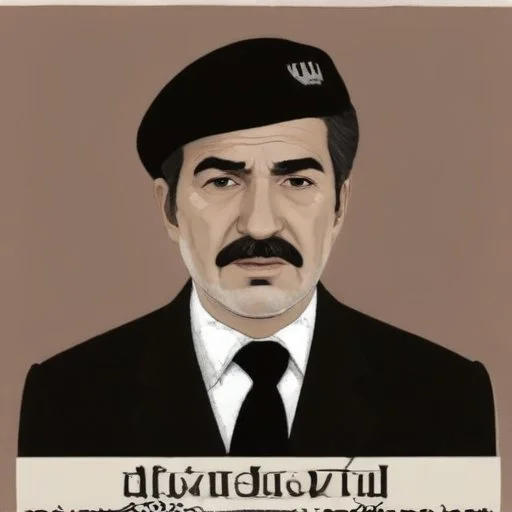
The roots of Saddam's animosity towards the Kurdish population can be traced back to the early 1970s, when the Ba'athist regime's attempts to consolidate power were met with defiance from the Kurdish factions. The Kurds, who had long sought autonomy and recognition, were seen as a threat to Saddam's authority. The Iran-Iraq War (1980-1988) provided the perfect opportunity for Saddam to redirect his attention towards the perceived internal enemy.
Saddam's cousin, Ali Hassan al-Majid, affectionately known as "Chemical Ali," was the mastermind behind the Anfal campaign. As the Secretary General of the Northern Bureau of the Ba'ath Party, al-Majid orchestrated the military operations, deploying chemical weapons, and implementing forced displacement, mass executions, and brutal tactics to crush the Kurdish population.
The Anfal genocide had far-reaching consequences, both in terms of human toll and the subsequent impact on the region. The international community's failure to intervene, coupled with the lack of recognition for the atrocities committed, contributed to a sense of impunity and emboldened Saddam's regime.
The Anfal genocide was not only a physical assault on the Kurdish and Assyrian populations but also a systematic attempt to erase their cultural identity. The destruction of villages, mosques, and cultural artifacts was designed to strip the communities of their heritage and sense of belonging.
The international response to the Anfal genocide was woefully inadequate, with many countries, including the United States, providing tacit support to Saddam's regime. The lack of condemnation and accountability for the atrocities committed emboldened Saddam's regime, paving the way for further human rights abuses.
"I will kill them all with chemical weapons! Who is going to say anything? The international community? F**k them! The international community and those who listen to them!" – Ali Hassan al-Majid, in a 1988 conversation with a Kurdish commander.
The stories of survival and resilience from the Anfal genocide are a testament to the human spirit. Many Kurds and Assyrians, forced to flee their homes, recount tales of hiding in caves, forests, and mountains, praying for the mercy of the Iraqi army.
The Anfal genocide served as a precursor to the 1991 Gulf War and the subsequent US-led invasion of Iraq in 2003. The failure to hold Saddam accountable for his crimes emboldened his regime, contributing to further instability in the region.
The Anfal genocide serves as a stark reminder of the importance of holding leaders accountable for their crimes against humanity. It is a testament to the resilience of the Kurdish and Assyrian communities, who continue to advocate for recognition and justice for the atrocities committed against them.
The historiography of the Anfal genocide is a complex and multifaceted field of study, with various scholars and researchers contributing to our understanding of this tragic event. Initially, the Iraqi regime's propaganda machine sought to downplay or even deny the atrocities committed, but subsequent investigations and documentation efforts have shed light on the scope and brutality of the campaign.
One of the earliest and most influential accounts of the Anfal genocide is the 1993 report by Human Rights Watch, which provided a chilling account of the chemical attacks and massacres. Subsequent studies have built upon this foundation, incorporating eyewitness testimony, archival research, and other forms of evidence to create a more comprehensive picture of the genocide.
Despite these efforts, there remains much work to be done in terms of excavating and preserving the historical record of the Anfal genocide. Ongoing initiatives, such as the Kurdistan Region's Ministry of Martyrs and Anfal's Documentation Center, are working to collect and digitize archival materials, providing a vital resource for future generations of scholars and researchers.

Ali Hassan al-Majid, Saddam Hussein's cousin and the mastermind behind the Anfal campaign, was a ruthless and cunning strategist who reveled in the power and control afforded him by his position. Nicknamed "Chemical Ali" for his infamous use of chemical weapons, al-Majid was responsible for orchestrating the systematic destruction of Kurdish and Assyrian communities.
Born in 1941 in Tikrit, Iraq, al-Majid was a member of the ruling Ba'ath Party and rapidly rose through the ranks, becoming one of Saddam's most trusted advisors. His role in the Anfal campaign was instrumental, overseeing the deployment of chemical weapons, forced displacement, and mass executions.
Al-Majid's brazen disregard for human life was matched only by his arrogance, as evidenced by his boastful pronouncements about the Anfal campaign. His eventual capture, trial, and execution in 2010 brought a measure of closure to the victims of Anfal, but his legacy serves as a stark reminder of the dangers of unchecked power and ideology.
The Anfal genocide was deeply embedded within the complex regional dynamics of the Middle East during the 1980s. Iraq's ongoing conflict with Iran, the Iran-Iraq War (1980-1988), had drained the country's resources and created economic and political instability.
In this context, Saddam's regime viewed the Kurdish population as a perceived internal enemy, threatening the regime's authority and control. The Anfal campaign was, in part, a response to this perceived threat, but it also served as a means of consolidating power and deflecting attention from Iraq's struggling economy and military.
The regional implications of the Anfal genocide were far-reaching, contributing to a climate of fear and instability that persisted long after the campaign's conclusion. The subsequent Gulf War and US-led invasion of Iraq in 2003 were, in part, a consequence of Saddam's unchecked aggression and the international community's failure to hold him accountable for the atrocities committed during the Anfal genocide.

The Anfal genocide was not only a physical assault on the Kurdish and Assyrian populations but also a systematic attempt to erase their cultural identity. The destruction of villages, mosques, and cultural artifacts was designed to strip the communities of their heritage and sense of belonging.
The Iraqi regime's campaigns of cultural erasure were multifaceted, targeting everything from traditional clothing and music to language and religious practices. The aim was to create a homogenous, Arabized Iraqi identity, suppressing the diversity and richness of the country's cultural landscape.
Today, efforts are underway to preserve and revive the cultural heritage of the Kurdish and Assyrian communities,including initiatives to document and digitize cultural artifacts, language preservation programs, and cultural festivals and events celebrating the region's rich diversity.
The international community's response to the Anfal genocide was woefully inadequate, with many countries, including the United States, providing tacit support to Saddam's regime. The lack of condemnation and accountability for the atrocities committed emboldened Saddam's regime, paving the way for further human rights abuses.
In the aftermath of the Gulf War, the international community belatedly acknowledged the scale of the Anfal genocide, but it was too little, too late. The failure to intervene earlier had devastating consequences, allowing the regime to continue its campaign of terror and destruction.
Today, the international community's response to the Anfal genocide serves as a cautionary tale, highlighting the importance of swift and decisive action in the face of human rights abuses and genocide. It also underscores the need for greater accountability and justice, ensuring that those responsible for such atrocities are brought to trial and held accountable for their crimes.