


The Moscow Theater Hostage Crisis, one of the most infamous acts of terrorism in modern history, will forever be etched in the minds of those who witnessed it. On October 23, 2002, a group of Chechen separatist terrorists stormed into the House of Culture theater in the heart of Moscow, taking approximately 700 unsuspecting theatergoers hostage.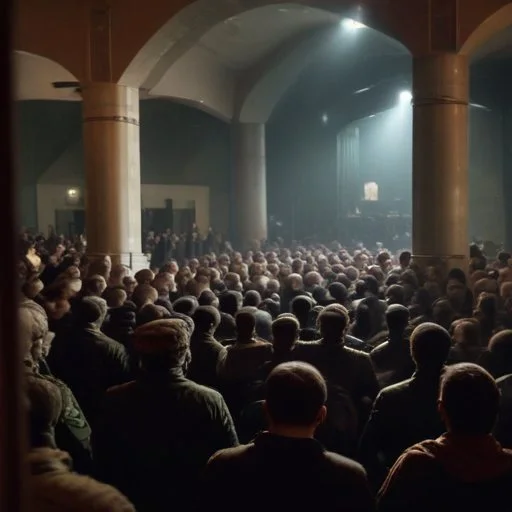
The Second Chechen War had been simmering in the background, with Russia's iron grip on the region fueling the separatist movement. The seeds of rebellion were sown, and the desperation of the Chechen people led to a radicalization of their methods. It was only a matter of time before the conflict spilled over into the Russian capital.
Movsar Barayev, a seasoned militant with ties to the Chechen warlord Shamil Basayev, orchestrated the meticulously planned operation. Barayev's demands were clear: Russia must withdraw its troops from Chechnya, or the hostages would pay the ultimate price. The stakes were high, and the clock was ticking.
The crisis unfolded over three days, with the terrorists steadfast in their demands. The Russian authorities, led by President Vladimir Putin, scrambled to respond, attempting to negotiate a peaceful resolution. Meanwhile, the world watched in horror as the drama unfolded, with families of the hostages holding their collective breath.
In a move that would haunt the Russian government for years to come, a team of special forces operatives stormed the theater, hoping to rescue the hostages. The outcome was disastrous: 129 innocent lives were lost, along with all 39 terrorists. The world was left reeling, grappling with the magnitude of the tragedy.
The Moscow Theater Hostage Crisis sparked a wave of soul-searching in Russia, with questions raised about the government's handling of the crisis. The use of a mysterious gas, later revealed to be a potent anesthetic, to incapacitate the terrorists has been shrouded in controversy, with many accusing the authorities of recklessness. The tragedy also reignited the debate on Chechnya's autonomy, fueling further unrest in the region.
In the face of unimaginable tragedy, the Moscow Theater Hostage Crisis serves as a poignant reminder of the devastating consequences of extremism. As the world continues to grapple with the complexities of terrorism, it is essential to remember the innocent lives lost on that fateful day in October 2002. Only by confronting the darkness can we hope to forge a brighter future, where the horrors of terrorism are relegated to the dustbin of history.
The Moscow Theater Hostage Crisis was not an isolated incident, but rather a symptom of a larger geopolitical struggle. The Chechen separatist movement had been simmering for decades, with Russia's annexation of Chechnya in 1859 setting the stage for centuries of conflict. The collapse of the Soviet Union in 1991 created a power vacuum that allowed nationalist sentiment to flourish, ultimately leading to the First and Second Chechen Wars.
The crisis also highlighted the complexities of Russia's relationship with its peripheral regions. The country's vast territory, spanning across nine time zones, has long struggled to balance regional autonomy with federal authority. The Moscow Theater Hostage Crisis brought these tensions to the forefront, forcing the Russian government to reexamine its approach to regional governance.

Movsar Barayev, the mastermind behind the Moscow Theater Hostage Crisis, was a seasoned militant with a reputation for brutality. Born in 1979, Barayev hailed from the village of Alkhan-Kala in Chechnya. He rose through the ranks of the separatist movement, earning the respect of his comrades and the fear of his enemies.
Barayev's motivations were rooted in a deep-seated desire for Chechen independence. He saw the Moscow Theater Hostage Crisis as a means to draw international attention to the plight of the Chechen people, and to force the Russian government to negotiate a withdrawal from the region.
The Moscow Theater Hostage Crisis sent shockwaves through Russian society, sparking a wave of soul-searching and introspection. The crisis brought attention to the plight of the Chechen people, humanizing a conflict that had long been relegated to the periphery of mainstream consciousness.
The crisis also had a profound impact on Russian popular culture. The event inspired a range of artistic responses, from films and documentaries to literature and music. The crisis became a cultural touchstone, symbolizing the darker aspects of Russian society and the need for reform.

The Moscow Theater Hostage Crisis had a devastating impact on the Russian economy. The crisis led to a significant decline in tourism and foreign investment, as investors grew wary of Russia's ability to ensure public safety.
The crisis also had a profound impact on the Russian energy sector. The standoff highlighted the country's dependence on oil and gas exports, and the vulnerability of its energy infrastructure to terrorist attack. The crisis sparked a renewed focus on energy diversification and security.
The Moscow Theater Hostage Crisis has been the subject of intense historiographical debate. Some historians have framed the crisis as a pivotal moment in the war on terror, while others have seen it as a symbol of Russian authoritarianism.
The crisis has also raised important questions about the role of the media in shaping public perception. The dramatic and often sensationalized coverage of the crisis has been criticized for perpetuating a culture of fear and mistrust.