


On August 23, 1833, the British Empire took a monumental step towards a more just society as the Slavery Abolition Act came into force, outlawing the inhumane practice of slave ownership. This historic milestone marked the beginning of the end of a brutal era, bringing hope and freedom to thousands of enslaved individuals across the empire, with the exception of the East India Company's possessions, which would remain exempt until the Indian Slavery Act of 1843.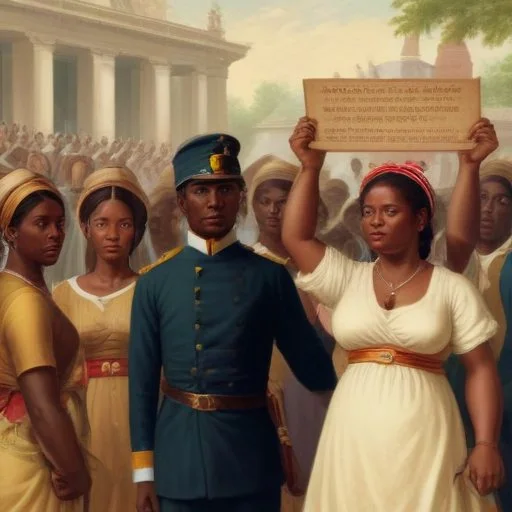
The fight against slavery in the British Empire had been brewing for decades, with abolitionists like William Wilberforce and Thomas Clarkson tirelessly advocating for an end to the practice. The British public, too, had grown increasingly uneasy with the moral implications of slavery, and public pressure had been mounting on the government to take action.
The Slavery Abolition Act was the culmination of years of effort by a dedicated group of individuals who fought tirelessly for the cause of freedom. Some notable figures include:
Here's a brief timeline of the events leading up to the abolition of slavery in the British Empire:
The Slavery Abolition Act had far-reaching implications for the British Empire and the world at large. Some notable outcomes include:
The act freed approximately 700,000 enslaved individuals in the British Empire, with many more to follow in the East India Company's possessions.
The abolition of slavery marked a significant shift in public opinion, paving the way for future social reform movements.
The act established Britain as a leader in the fight against slavery, influencing other nations to follow suit.
The abolition of slavery had a profound impact on British culture and society. The movement inspired a new wave of social reformers, who went on to tackle other pressing issues of the time, such as child labor and women's rights.
The abolition of slavery also influenced literature and the arts, with many notable writers and artists using their work to condemn the practice and celebrate the newfound freedom of enslaved individuals.
"The slave trade is a national crime, and must be abolished." - William Wilberforce
"May we not, by the blessing of God, be instrumental in putting an end to this infamous traffic?" - Thomas Clarkson
These quotes, and many more like them, serve as a testament to the passion and dedication of the abolitionists who fought for freedom.
The fight against slavery in the British Empire was a long and arduous one, with roots dating back to the 17th century. The early abolitionist movement was led by Quakers, who were instrumental in raising public awareness about the atrocities of slavery. In 1783, a group of Quakers presented a petition to Parliament, calling for the abolition of the slave trade. This early effort laid the groundwork for the eventual passage of the Slavery Abolition Act.
In the early 19th century, the abolitionist movement gained momentum, with the formation of the Anti-Slavery Society in 1823. This organization brought together prominent figures such as William Wilberforce and Thomas Clarkson, who worked tirelessly to lobby Parliament for an end to slavery. The society's efforts were instrumental in raising public awareness and applying pressure on the government to take action.
A key turning point came in 1831, when a massive slave revolt broke out in Jamaica, resulting in the deaths of over 100 slaves and 14 colonists. This event shocked the British public and further galvanized support for abolition. The subsequent parliamentary inquiry into the revolt provided abolitionists with further ammunition, as it revealed the brutal treatment of slaves and the inherent cruelty of the system.
Thomas Clarkson was a British abolitionist who played a crucial role in the fight against slavery. Born in 1760, Clarkson was a graduate of Cambridge University, where he became aware of the horrors of the slave trade through his studies. He became a close associate of William Wilberforce, and together they formed a powerful alliance that would drive the abolitionist movement forward.
Clarkson's greatest contribution to the cause was his meticulous gathering of evidence against the slave trade. He traveled extensively, interviewing slaves and gathering testimony about the brutal conditions on board slave ships. This evidence was presented to Parliament, providing a powerful indictment of the slave trade and helping to sway public opinion.
Clarkson's dedication to the cause was unwavering, and he continued to work tirelessly for abolition until his death in 1846.
The abolition of slavery had a profound impact on British culture, influencing literature, art, and music. The movement inspired a new wave of social reformers, who went on to tackle other pressing issues of the time, such as child labor and women's rights.
In literature, the abolition of slavery inspired works such as William Wordsworth's "The Prelude," which contains powerful anti-slavery sentiments. In art, the movement inspired works such as J.M.W. Turner's "The Slave Ship," which depicted the horrors of the Middle Passage.
The abolition of slavery also had a significant impact on music, with many slave songs and spirituals becoming an integral part of the British musical heritage.

The economic impact of the abolition of slavery was significant, with the British economy undergoing a period of rapid transformation. The loss of slave labor led to a significant increase in labor costs, which had a ripple effect throughout the economy.
However, the abolition of slavery also led to the growth of new industries, such as textiles and manufacturing, which relied on free labor. This led to a significant increase in economic output and helped to drive Britain's Industrial Revolution.
The abolition of slavery also had a major impact on international trade, with Britain's dominance of the global economy being challenged by other nations.